
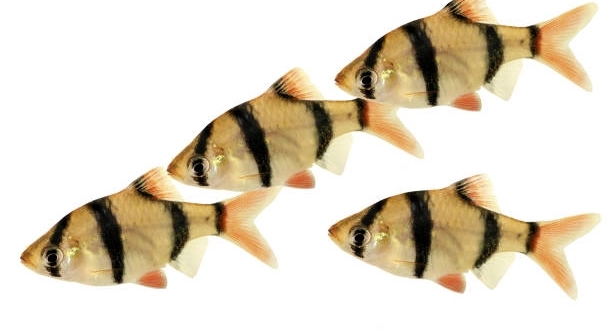
Many aquarium owners enjoy keeping tiger barbs because of their lively behavior and striking colors. Observing these fish can help determine how comfortable they are in their surroundings. Recognizing their reactions is important for maintaining a healthy tank environment.
Tiger barbs show signs of liking their environment through active swimming, vibrant coloration, healthy fins, regular feeding behavior, peaceful interaction with tank mates, consistent breathing patterns, and exploring their habitat confidently. These indicators reflect overall well-being and comfort.
Understanding these signs helps ensure your tiger barbs thrive and remain healthy in their aquatic home. This knowledge supports better care and a more enjoyable fishkeeping experience.
Active Swimming and Exploration
Tiger barbs that enjoy their environment tend to swim actively and explore their tank regularly. They move confidently around plants, decorations, and open spaces without hiding or freezing. Active swimming shows they feel safe and unstressed. When the tank conditions—such as water temperature, pH, and cleanliness—are ideal, tiger barbs display more energy. They often chase each other playfully, which is a natural behavior for this species. A healthy group will keep moving in small schools, avoiding lethargy or sluggishness. In contrast, fish that dislike their environment may stay at the bottom or hide too much. Watching how your tiger barbs move is a clear way to assess their comfort. Ensuring good water quality and providing enough space encourages this lively behavior. This movement also helps them maintain good health by supporting muscle activity and reducing the risk of disease.
Active swimming is a reliable sign of well-being in tiger barbs. It reflects their comfort and the quality of their environment.
Tank conditions like clean water, balanced diet, and enough room encourage activity. Keeping these factors consistent helps maintain their natural behaviors and promotes overall health and happiness.
Vibrant Coloration and Healthy Fins
A tiger barb’s colors become brighter when it feels at ease in its habitat. Healthy fish display sharp black stripes and rich orange or gold hues. Dull or faded colors may signal stress or poor water conditions. Strong colors come from good nutrition and a clean environment. The fins should be whole and free from tears, spots, or discoloration. Healthy fins allow smooth swimming and show the fish is not suffering from disease or injuries. Watch for fins that stay spread out naturally, rather than clamped close to the body. Proper tank maintenance, such as regular water changes and monitoring water parameters, keeps the colors vivid and the fins intact. Offering a varied diet with high-quality flakes, pellets, or frozen foods also supports coloration. Bright colors and healthy fins indicate a comfortable, well-cared-for tiger barb. Fishkeepers should aim to maintain this appearance as part of overall tank health.
Regular Feeding Behavior
Tiger barbs that like their environment eat eagerly during feeding times. They come forward quickly and compete gently for food. Consistent feeding patterns show that the fish feel secure and comfortable in their tank.
Healthy tiger barbs have a good appetite and accept a variety of foods, including flakes, pellets, and occasional live or frozen treats. When they eat regularly, it means their environment supports their basic needs, such as water quality and temperature. Fish that refuse food or show hesitation might be stressed or unwell. Providing a balanced diet ensures they maintain energy and vibrant colors. Observing feeding habits is a simple way to check on your fish’s wellbeing without disturbing them.
Overfeeding can cause water problems, so it’s important to feed appropriate amounts. Feeding small portions two to three times daily keeps tiger barbs healthy and reduces waste buildup, supporting their comfort and environment stability.
Peaceful Interaction with Tank Mates
Tiger barbs that enjoy their environment usually coexist peacefully with other fish. Aggressive behavior or constant chasing could indicate stress or overcrowding, which should be addressed promptly.
In a well-maintained tank with enough space, tiger barbs establish social groups and interact naturally. They tend to swim together and show curiosity about other species without excessive aggression. Proper tank size and hiding spots reduce tension and promote harmony. When compatible tank mates are chosen, the barbs’ behavior remains calm and balanced. Watching their interactions helps identify whether the environment supports a peaceful community or needs adjustment. Social stability is key to the overall health and happiness of your fish, so ensuring compatible species and proper conditions benefits everyone in the tank.
Consistent Breathing Patterns
Tiger barbs that are comfortable have smooth and steady breathing. Rapid or labored gill movements may signal stress or poor water quality.
Watching their breathing helps spot problems early. Healthy fish maintain calm, even breathing without sudden changes during normal tank activity.
Exploring Their Habitat Confidently
Comfortable tiger barbs investigate their tank by swimming near plants, decorations, and substrate. They show curiosity without fear or hesitation. This confident exploration is a sign they trust their surroundings. Providing varied hiding spots and open areas encourages this natural behavior and reduces stress.
Lack of Excessive Hiding
Tiger barbs that feel secure do not hide excessively. Spending too much time in shelters or corners usually indicates discomfort or fear. A balanced tank setup helps fish feel safe without encouraging constant hiding.
How can I tell if my tiger barb is stressed?
Stressed tiger barbs often show signs like hiding too much, losing color, or staying inactive. They may breathe rapidly or have clamped fins. Changes in eating habits, such as refusing food, also point to stress. Water quality issues, overcrowding, or aggressive tank mates often cause these behaviors.
What water conditions do tiger barbs prefer?
Tiger barbs thrive in water with a temperature between 74°F and 79°F (23°C–26°C). The pH should be slightly acidic to neutral, around 6.5 to 7.0. Clean, well-filtered water with low ammonia and nitrate levels is essential for their health and comfort. Regular water changes help maintain this balance.
How many tiger barbs should be kept together?
It’s best to keep tiger barbs in groups of at least six. They are schooling fish and feel safer in numbers. A small group reduces aggression within the species and encourages natural social behavior. Fewer than six may cause stress or increased fighting.
What are common signs of illness in tiger barbs?
Look for faded colors, torn fins, white spots, or unusual swimming patterns. Lethargy, loss of appetite, and swollen bodies are also signs. Early detection helps prevent serious illness, so regular observation is important. Quarantining new fish can reduce disease risks.
Can tiger barbs live with other fish?
Yes, but tank mates should be chosen carefully. Avoid slow-moving or long-finned species, as tiger barbs may nip fins. Good companions include other active, similar-sized fish that tolerate the barbs’ energetic nature. Proper tank size and hiding spots support peaceful coexistence.
How often should I feed my tiger barbs?
Feed small amounts two to three times daily. Overfeeding can pollute the tank and cause health problems. A varied diet with flakes, pellets, and occasional live or frozen foods ensures balanced nutrition. Remove uneaten food to keep water clean.
What tank size is suitable for tiger barbs?
A minimum of 20 gallons is recommended for a small group. More space helps reduce stress and aggression. Larger tanks allow better swimming room and support a stable environment with consistent water quality.
How important are plants and decorations in the tank?
Plants and decorations offer hiding spots and break lines of sight, reducing aggression. They also provide a natural environment that encourages exploration and comfort. Live plants improve water quality, but sturdy artificial plants can work well too.
What should I do if my tiger barbs show aggressive behavior?
Aggression is common but can be managed. Increase tank size or add more hiding places to reduce tension. Ensure the group size is adequate. If aggression continues, consider separating the most aggressive fish or rearranging tank decorations to disrupt established territories.
How do I maintain good water quality for tiger barbs?
Regular water testing and weekly partial water changes (around 20-30%) keep conditions stable. Avoid overcrowding and remove debris from the substrate. Use a reliable filter suitable for the tank size, and monitor ammonia, nitrite, and nitrate levels closely.
Can tiger barbs tolerate different water parameters?
Tiger barbs are somewhat adaptable but perform best in stable, moderate conditions. Sudden changes in temperature, pH, or hardness can cause stress. Keeping parameters consistent within their preferred range supports health and natural behavior.
What signs show that my tiger barb is happy?
Signs include active swimming, bright colors, regular feeding, and friendly interactions with tank mates. Confident exploration of the environment and calm breathing patterns also reflect comfort and contentment.
Is it necessary to quarantine new tiger barbs?
Yes, quarantining new fish helps prevent the introduction of diseases and parasites to the main tank. A quarantine period of two weeks is recommended to monitor for any signs of illness before adding them to the established environment.
How often should I clean the tank?
Regular partial water changes and cleaning of the substrate every one to two weeks are essential. Avoid cleaning all surfaces at once to preserve beneficial bacteria. Proper maintenance keeps the environment healthy for tiger barbs and prevents stress.
What should I do if a tiger barb becomes lethargic?
Check water quality immediately, as poor conditions often cause lethargy. Observe the fish for other symptoms of illness. Ensure proper feeding and reduce stress by minimizing tank disturbances. Consult a vet or fish expert if the condition persists.
Can tiger barbs live in a community tank?
They can, with the right companions. Choose species that match their activity level and temperament. Avoid slow or long-finned fish to prevent fin nipping. Maintain good tank size and provide ample hiding spots to reduce conflict.
What diet promotes vibrant colors in tiger barbs?
A diet rich in carotenoids, found in high-quality flakes or pellets, helps maintain bright colors. Supplementing with live or frozen foods such as brine shrimp or bloodworms adds variety and nutrients that enhance coloration and overall health.
How can I reduce aggression among tiger barbs?
Keep them in adequate group sizes to spread aggression. Provide plenty of hiding places and maintain a well-planted tank. Avoid overcrowding and maintain stable water conditions to keep fish calm and reduce stress-induced fighting.
What tank setup best suits tiger barbs?
A tank with open swimming areas, plants, and decorations for hiding creates a balanced environment. Good filtration and regular maintenance keep water clean. Moderate lighting and a secure lid prevent jumping and stress.
How do I encourage natural behavior in tiger barbs?
Provide a varied diet, stable water conditions, and plenty of space. Plants and decorations encourage exploration and hiding, which support natural instincts. Regular feeding times and a peaceful tank community promote healthy social interaction.
When should I seek professional help for my tiger barbs?
If your fish show persistent signs of illness, severe aggression, or sudden behavioral changes, professional advice is necessary. Early intervention increases chances of recovery and prevents problems from spreading to other tank inhabitants.
Observing the signs that a tiger barb likes its environment is important for every fishkeeper. When these fish swim actively, display bright colors, and eat regularly, it shows they feel comfortable and safe. Healthy fins, calm breathing, and peaceful interaction with other fish are also good indicators. Paying attention to these behaviors helps you understand your fish’s well-being and adjust their environment if needed. Keeping water clean and stable, providing enough space, and offering a balanced diet are essential steps. These efforts ensure that your tiger barbs live a healthy and stress-free life.
Creating the right tank conditions can sometimes feel challenging, but it becomes easier with time and practice. Tiger barbs thrive best in groups of six or more, with proper hiding places and open areas to swim. The right temperature, pH, and water quality are also key factors in their comfort. When their environment supports their needs, tiger barbs show natural behaviors like exploring and socializing. Avoiding overcrowding and selecting compatible tank mates can reduce stress and aggression. These actions contribute to a peaceful and enjoyable aquarium that benefits both fish and fishkeeper.
In the end, maintaining a good environment for tiger barbs requires attention and care, but the rewards are worth it. Watching these lively fish thrive and display their vibrant colors is satisfying and encourages continued effort. By regularly observing your tiger barbs and responding to their needs, you can create a healthy habitat where they feel secure. This balanced approach not only improves their quality of life but also enhances your experience as a fishkeeper. Consistency, patience, and knowledge are the best tools for supporting your tiger barbs in a positive environment.

Hello,
If you enjoy the content that we create, please consider saying a "Thank You!" by leaving a tip.
Every little bit helps us continue crafting quality advice that supports the health, happiness, and well-being of pets around the world, for pets of all shapes, sizes, and species.
We really appreciate the kindness and support that you show us!