
Paragraph 1 (35 words):
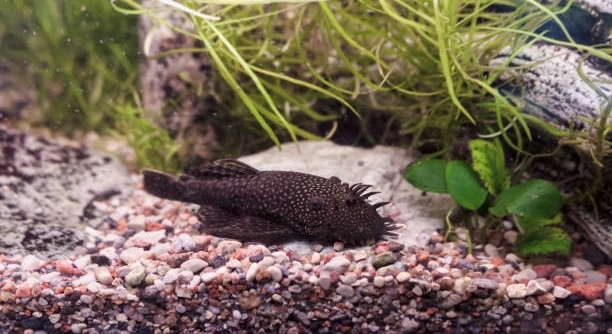
If you have a Plecostomus in your tank, you may notice certain behaviors that could indicate the water temperature isn’t ideal. Keeping your fish comfortable is essential for their well-being and longevity in the aquarium.
Paragraph 2 (40 words):
If the water in your tank is too warm for your Plecostomus, they may become sluggish, stressed, or seek cooler areas of the tank. This can lead to health problems and shorter lifespans for your fish.
Paragraph 3 (20 words):
Knowing how to spot the signs of overheating can help maintain a healthy environment for your Plecostomus and prevent stress.
Water Temperature Above 80°F
When water temperatures rise above 80°F (27°C), Plecostomus can become stressed. These fish prefer cooler water, typically between 74°F and 78°F. At temperatures above 80°F, their metabolism speeds up, leading to rapid breathing, lethargy, and a lack of appetite. Over time, this constant stress can weaken their immune system, making them more susceptible to diseases.
If you notice any of these signs, it’s important to act quickly. First, check the temperature with an aquarium thermometer. If it’s too warm, you may need to adjust the heater, or place the tank in a cooler area of the room. Reducing the tank’s lighting can also help lower the temperature.
In extreme cases, you might need to perform partial water changes with cooler water. However, be careful not to make drastic changes too quickly. Sudden shifts in temperature can cause additional stress, further harming your fish. Monitoring the water temperature regularly will help maintain a healthy environment for your Plecostomus.
Lack of Hiding Spots
Without enough hiding spots, Plecostomus will feel vulnerable, especially in a warmer tank. This increases their stress levels. Creating shelters with plants, caves, or decorations can provide security and prevent them from becoming overwhelmed.
Stress from a lack of hiding spots, combined with high temperatures, can cause your Plecostomus to stop eating or exhibit erratic behavior. To fix this, you can add more plants and caves, which will make your fish feel more secure and encourage natural behaviors.
Increase in Aggression
When the water is too warm, Plecostomus can become more irritable and aggressive. The heightened temperature can affect their behavior, making them less tolerant of tank mates. If you see more fighting or territorial displays, it may be a sign that the water is too warm for them.
This behavior can be harmful not only to the Plecostomus but also to other fish in the tank. Aggression can lead to injuries, stress, and even death if not addressed quickly. If you notice these signs, try lowering the tank’s temperature and providing more hiding spots or visual barriers to give the fish space. These adjustments may help reduce aggressive behavior and allow everyone in the tank to coexist peacefully.
In severe cases, a stressed and aggressive Plecostomus might stop eating altogether. This can lead to malnutrition and further health issues. It’s crucial to keep a close eye on their feeding habits and behavior, especially during warm periods, to ensure that your fish stay healthy and well-fed.
Excessive Surface Swimming
In an attempt to find cooler areas, Plecostomus may start swimming near the surface of the tank. This is a clear sign that they are uncomfortable with the temperature. Normally, Plecostomus prefer to stay near the bottom or mid-level of the tank, where it’s cooler and more stable.
If you notice your Plecostomus swimming near the surface more often than usual, it’s time to check the water temperature. A high surface swim is often a sign that your fish are trying to escape the warmer water. Adding a surface agitation feature, like an air stone or a surface skimmer, can help lower the water temperature and improve oxygen levels. If necessary, use a fan directed at the surface of the tank to help cool it down.
A consistent water temperature is important to your Plecostomus’s overall health. If surface swimming continues despite changes, consider moving the tank to a cooler area or adjusting the lighting. These actions can help provide a better environment for your fish to thrive.
Loss of Appetite
A warm tank can cause your Plecostomus to lose its appetite. When the water temperature is too high, fish become stressed and often stop eating. This is especially noticeable if your Plecostomus begins to ignore food that they usually enjoy.
A sudden loss of appetite is a key sign of distress in fish. If your Plecostomus is no longer interested in eating, check the water temperature. If it’s over 80°F, it’s likely too warm for your fish. In this case, lowering the temperature should help bring their appetite back.
Make sure to keep an eye on their health during this time. If the fish continue to avoid food, this could lead to weight loss and further stress. Ensure your Plecostomus is comfortable to encourage healthy eating habits.
Unusual Behavior
High water temperatures can also lead to unusual or erratic behavior in Plecostomus. These fish might become more active than usual, darting around the tank or constantly moving. This behavior often signals that they’re trying to escape the uncomfortable heat.
As the temperature increases, your Plecostomus may become disoriented. They could swim in circles, near the surface, or seek areas with better water flow. If you notice any of these behaviors, immediately check the tank’s temperature. A sudden change in behavior is one of the clearest signs that your tank is too warm for your fish.
Poor Water Quality
Warm water can also lead to poor water quality. As the temperature rises, oxygen levels decrease, making it harder for Plecostomus to breathe. High temperatures speed up biological processes, leading to faster accumulation of toxins and waste in the tank.
When water quality drops, your Plecostomus can become stressed and more susceptible to illness. Regular water changes, good filtration, and proper aeration can help maintain water quality. Make sure the tank is well-maintained, especially during warmer months, to ensure a healthy environment for your fish.
FAQ
How do I know if the temperature is too high for my Plecostomus?
If your Plecostomus starts exhibiting signs of stress like swimming at the surface, showing less interest in food, or displaying unusual behavior, it’s a sign that the temperature might be too high. Ideally, Plecostomus thrive in water temperatures between 74°F and 78°F (23°C to 25°C). Anything above 80°F (27°C) can cause stress and lead to health problems. Checking the water temperature regularly with a thermometer is the best way to be sure.
What happens if the tank is too warm for Plecostomus?
When the water temperature is too warm, your Plecostomus can become lethargic, lose its appetite, and may become more aggressive toward other fish. Prolonged exposure to high temperatures can weaken their immune system, making them more susceptible to diseases. Over time, high temperatures can significantly shorten their lifespan and cause health issues. It’s essential to maintain a consistent temperature within the ideal range for your fish’s well-being.
Can I lower the water temperature if it’s too warm for my Plecostomus?
Yes, lowering the water temperature can help. You can do this by adjusting the aquarium heater to a lower setting, placing a fan near the tank to cool the surface, or performing partial water changes with cooler water. It’s important to avoid making drastic temperature changes too quickly, as rapid fluctuations can further stress the fish. A gradual cooling process is best for your Plecostomus’s health.
How do I prevent the tank from getting too warm?
To prevent your tank from getting too warm, consider a few key factors. Keep the tank in a cool, shaded spot, away from direct sunlight or heat sources. If you’re using a heater, make sure it’s functioning properly and not set too high. You can also use fans or chillers designed specifically for aquariums to help maintain the ideal temperature range. Regular monitoring of the water temperature is crucial, especially during warmer seasons.
Should I use an aquarium chiller for my Plecostomus tank?
If you live in a warmer climate or your aquarium tends to get hot during summer, an aquarium chiller can be a good investment. It’s a more effective way to maintain a consistent, cool temperature, especially in larger tanks. Chillers are particularly useful when the temperature in the room fluctuates or if you have a tank with high lighting or equipment that generates heat. Ensure the chiller is appropriate for the size of your tank for the best results.
Can I use ice cubes to cool the water in my Plecostomus tank?
Using ice cubes to cool the water may seem like an easy solution, but it’s not ideal. Ice cubes can cool the water too quickly, leading to sudden temperature fluctuations. This can stress your Plecostomus even more. If you do choose to use ice, it’s better to freeze water in small plastic bags or containers and slowly add them to the tank to avoid shocking the fish. It’s better to adjust the tank temperature gradually.
How often should I check the water temperature?
It’s a good practice to check the water temperature daily, especially if you’ve noticed temperature fluctuations in your home. Even small changes in temperature can impact the health of your Plecostomus. Use a reliable aquarium thermometer to monitor the temperature, and make adjustments as needed to ensure it stays within the ideal range. Keeping a consistent check will help prevent issues before they become serious problems.
Can I keep my Plecostomus with other tropical fish in a warmer tank?
While Plecostomus can tolerate a range of temperatures, combining them with other tropical fish in a tank that’s too warm can be problematic. Some species may not handle high temperatures as well as others, and this could lead to stress, aggression, or illness. Be sure to research the specific temperature needs of all your tank’s inhabitants before keeping them together. Aim for a temperature range that accommodates the needs of all the fish in the tank.
How do I know if my Plecostomus is stressed due to temperature?
When a Plecostomus is stressed by temperature, it may exhibit several signs. These include erratic swimming patterns, staying at the surface of the tank, reduced or absent eating habits, or hiding more than usual. You might also notice them becoming more aggressive or lethargic. If you notice any of these signs, check the water temperature immediately and take action to cool it down if necessary.
Is it safe to move my Plecostomus to a cooler tank if the water is too warm?
If you’re unable to adjust the temperature of your current tank quickly, moving your Plecostomus to a cooler tank may be an option. However, this can be stressful for the fish, so it should only be done if absolutely necessary. Ensure that the new tank is properly prepared with appropriate water conditions before transferring your Plecostomus. If you choose to do this, acclimate the fish gradually to avoid shock.
Can warm water affect the filtration system in my tank?
Yes, warm water can affect the performance of your tank’s filtration system. As the water temperature increases, the efficiency of the filter can decrease. Biological filtration, in particular, can become less effective in warmer conditions. Regularly monitor the filtration system and ensure it’s working properly. You may also need to clean it more often in warmer conditions, as higher temperatures can cause more waste to accumulate faster.
What are the long-term effects of a consistently warm tank for Plecostomus?
If your Plecostomus is kept in a consistently warm tank, it could lead to a number of long-term issues. Chronic stress can weaken their immune system, making them more susceptible to diseases. Over time, this can also shorten their lifespan and affect their growth rate. Additionally, warmer temperatures may cause the water quality to deteriorate faster, increasing the likelihood of harmful toxins building up in the tank.
Final Thoughts
Maintaining the right water temperature is key to keeping your Plecostomus healthy and happy. When the tank gets too warm, these fish can become stressed, which affects their appetite, behavior, and overall well-being. Signs of stress, like erratic swimming, loss of appetite, or aggression, often point to an issue with the temperature. It’s important to monitor the temperature regularly and make adjustments as needed to keep it within the ideal range for your Plecostomus. A consistent environment will allow your fish to thrive and live a longer, healthier life.
If you notice any of the signs that your Plecostomus is uncomfortable due to heat, taking quick action can make a big difference. Lowering the tank’s temperature slowly, adjusting the water flow, or providing more hiding spots can all help reduce stress. Keep in mind that sudden changes in temperature can be just as harmful as consistently high temperatures. Gradual adjustments are the best way to keep your Plecostomus comfortable. In cases where cooling the tank isn’t enough, using a chiller or relocating the tank to a cooler area can be helpful solutions.
Remember that every fish is different, and their tolerance for temperature changes can vary. By closely observing your Plecostomus and responding to their needs, you’ll ensure they stay healthy. Maintaining the right temperature is just one part of caring for your fish, but it’s one of the most important. With proper care, your Plecostomus can live a long and happy life in your aquarium. Keeping their environment stable will benefit both their physical health and their natural behavior.

Hello,
If you enjoy the content that we create, please consider saying a "Thank You!" by leaving a tip.
Every little bit helps us continue crafting quality advice that supports the health, happiness, and well-being of pets around the world, for pets of all shapes, sizes, and species.
We really appreciate the kindness and support that you show us!