
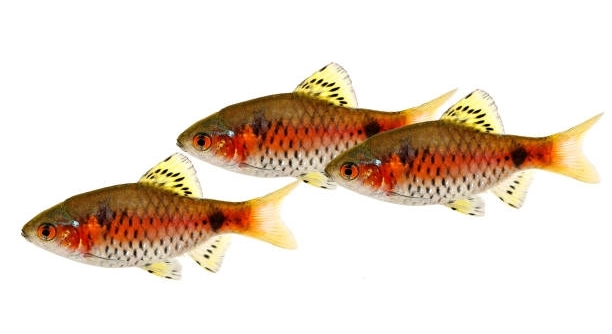
Rosy barbs are popular aquarium fish known for their vibrant color and active nature. Many fishkeepers enjoy watching these fish thrive and sometimes consider breeding them to expand their collection or share with others. Recognizing when a rosy barb is ready to breed is key to a successful spawning experience.
Rosy barbs show clear physical and behavioral signs when ready to breed, such as brighter coloration, increased activity, and specific mating behaviors. Females often appear fuller in the abdomen, while males may chase or display courtship actions. These indicators help identify breeding readiness.
Knowing these signs can help you prepare your aquarium and support your fish through breeding. Understanding their behavior ensures a smoother process and healthier offspring.
Physical Changes Indicating Readiness
When rosy barbs are ready to breed, their bodies begin to show noticeable changes. Males develop more intense colors, especially around their fins and sides. Their red or orange shades become deeper and more vivid, making them stand out. Females, on the other hand, tend to look rounder in the belly area as their eggs mature. This swelling is often visible from the side and indicates that they are preparing to lay eggs soon. These changes usually appear over several days and can help you time the breeding process accurately.
The fish’s fins may also become more pronounced, with males spreading them out during displays. These visual cues are important for recognizing readiness without invasive checks.
Watching these physical signs closely allows you to know when to separate or group the fish for breeding. Proper timing increases the chances of successful spawning and healthy fry.
Behavioral Signs of Breeding
Males start chasing females more actively, following them around the tank. This chasing is part of their mating behavior and can seem aggressive but is normal. Males also swim near the surface or swim in quick bursts to attract females’ attention. Females may respond by hiding among plants or showing more submissive behaviors, preparing for egg-laying. These actions are typical during the breeding phase and signal that the fish are ready to reproduce.
During this time, you might also notice males displaying their fins in a flared, fan-like way to impress females. This courtship behavior can last several days.
Observing these behaviors helps confirm what you see in their physical appearance. Together, the changes give a full picture of breeding readiness. Adjusting tank conditions, like water temperature and adding fine-leaved plants, can encourage these natural behaviors. Keeping the environment calm and stable supports the fish’s health and comfort during this period. Monitoring both appearance and behavior is the best way to prepare for breeding rosy barbs successfully.
Environmental Triggers
Changes in water temperature often signal rosy barbs to start breeding. Raising the temperature to around 75–78°F can stimulate their reproductive instincts. Increasing light exposure to 12–14 hours daily also helps encourage spawning behavior.
Providing a well-planted tank with fine-leaved plants creates ideal spawning sites. These plants give females a safe place to deposit eggs, reducing stress. Maintaining clean, stable water conditions supports the fish’s health during breeding.
Carefully adjusting these environmental factors can improve your chances of successful breeding. Sudden changes should be avoided to prevent stress. Consistent conditions help the fish feel secure and ready to reproduce. With the right setup, breeding becomes more predictable and manageable.
Feeding and Nutrition
A balanced diet rich in protein is essential when preparing rosy barbs for breeding. High-quality live or frozen foods such as brine shrimp, daphnia, and bloodworms provide important nutrients. Supplementing with flakes or pellets ensures they get vitamins and minerals.
Feeding smaller amounts several times a day encourages activity and readiness. Overfeeding should be avoided to maintain water quality. A well-fed fish will display stronger colors and more vigorous breeding behaviors, improving spawning success. Proper nutrition supports egg production and the health of both parents and fry.
Spawning Behavior
Males display vibrant colors and chase females to encourage spawning. Females respond by swimming slowly near plants where they will lay eggs.
After chasing, females scatter eggs among fine-leaved plants or substrate. Males fertilize the eggs immediately, which hatch in a few days.
Egg Care
Remove adult fish after spawning to prevent them from eating the eggs. Keep water clean and stable to ensure healthy development of the embryos.
Fry Development
Fry become free-swimming about three to four days after hatching. They need very fine foods like infusoria or newly hatched brine shrimp for proper growth.
How long does it take for rosy barb eggs to hatch?
Rosy barb eggs usually hatch within 24 to 36 hours after being fertilized. The exact timing depends on water temperature, with warmer water speeding up development. At around 75–78°F, expect the eggs to hatch closer to the 24-hour mark. Cooler temperatures may slow this process down slightly.
What should I do after the eggs hatch?
Once the eggs hatch, the fry stay attached to the egg sac for about 2–3 days, absorbing nutrients. During this time, keep the water clean and avoid strong currents. After they become free-swimming, start feeding them very small foods such as infusoria or commercially available fry food designed for small fish.
Can rosy barbs breed in a community tank?
While it is possible for rosy barbs to breed in a community tank, it is not ideal. Other fish may eat the eggs or fry, lowering survival rates. For better results, use a separate breeding tank with plenty of plants and hiding places for the fry to protect them from predators.
How often do rosy barbs breed?
Rosy barbs can breed multiple times during the warmer months if conditions are right. They tend to spawn every 7–10 days under ideal water temperature, light, and diet. However, continuous breeding without rest periods can stress the fish, so some breaks are beneficial for their health.
What are common problems when breeding rosy barbs?
One common issue is poor water quality, which can cause eggs to fungus or fry to die. Another problem is aggressive chasing that stresses females or causes injury. Overcrowding and lack of hiding places also reduce breeding success. Proper tank maintenance and careful monitoring can help avoid these problems.
How can I improve the survival rate of fry?
Provide a separate tank with gentle filtration and plenty of plants for shelter. Feed the fry small, frequent meals of appropriate food like infusoria or finely crushed flakes. Regular water changes and stable water parameters improve survival. Removing adults after spawning is crucial to prevent predation.
Do rosy barbs need special water conditions for breeding?
Rosy barbs prefer slightly hard, neutral to slightly alkaline water for breeding, with a pH around 7.0 to 7.5. Water temperature between 75 and 78°F encourages spawning. Clean, well-oxygenated water is essential. Avoid sudden changes to water chemistry or temperature to keep fish comfortable.
Can I breed rosy barbs without plants?
Plants provide necessary hiding spots for eggs and fry, helping increase survival rates. Without plants, eggs may be eaten or damaged by adults. If you don’t have plants, use spawning mops or fine mesh to protect eggs. Still, plants are highly recommended for best results.
How long before fry start to look like adult rosy barbs?
Fry begin to develop adult coloration and body shape after about 6 to 8 weeks. Their growth rate depends on diet and water quality. Providing high-quality food and stable conditions encourages faster, healthier development into colorful juveniles resembling adults.
Is it necessary to separate males and females before breeding?
Separating males and females before introducing them for breeding can help control timing and reduce stress. Keeping them apart allows you to prepare the breeding tank and monitor readiness. When combined, males quickly show breeding behavior, and females become receptive, making the process more organized.
Breeding rosy barbs can be a rewarding experience for fishkeepers who want to see their fish reproduce successfully. Knowing the signs that indicate a rosy barb is ready to breed helps prepare the right environment and care. Paying attention to changes in color, behavior, and physical appearance allows you to time the breeding process well. This preparation improves the chances of eggs being fertilized and fry growing healthy. Setting up the tank with clean water, proper temperature, and plenty of plants also supports the fish during this important time.
Taking care of feeding and nutrition is equally important. Providing a balanced diet rich in protein encourages strong breeding behavior and helps females produce healthy eggs. Avoiding overfeeding while ensuring the fish get enough nutrients keeps the tank water clean and the fish active. During breeding, males may chase females frequently, which is normal but can stress the fish if the tank is overcrowded. Keeping the space comfortable and reducing stress will help the fish perform natural spawning behaviors without harm.
Once the eggs are laid, removing the adults from the breeding tank protects the eggs from being eaten. Maintaining good water quality and stable conditions ensures the eggs develop properly and the fry grow strong. Feeding the fry very small foods suited to their size supports their early growth. Breeding rosy barbs requires patience and attention, but with the right care and environment, it can be a smooth and successful process. Understanding these basic steps can help fishkeepers enjoy healthy, vibrant rosy barbs and expand their aquarium community.

Hello,
If you enjoy the content that we create, please consider saying a "Thank You!" by leaving a tip.
Every little bit helps us continue crafting quality advice that supports the health, happiness, and well-being of pets around the world, for pets of all shapes, sizes, and species.
We really appreciate the kindness and support that you show us!