
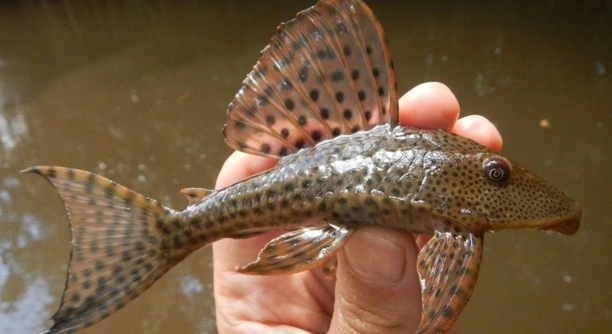
Having trouble with your pleco in its tank? It can be concerning if your fish doesn’t seem to adjust well to its environment. This article will explore the possible signs that your pleco might not be adapting as expected.
When a pleco isn’t adapting to its tank, it may show signs like hiding excessively, not eating, or displaying unusual behavior. These signs indicate stress, poor water quality, or environmental issues that need to be addressed for better health.
Understanding these signs can help ensure your pleco’s well-being. With some adjustments, you can improve its living conditions and make sure it thrives in its tank.
Lack of Appetite or Reduced Eating
One clear sign that your pleco isn’t adapting to its tank is a noticeable decrease in appetite. If your pleco is usually active during feeding times but now ignores food, it could be a sign that something is wrong with its environment. Plecos need a balanced diet of vegetables, algae, and occasionally protein. If they stop eating, it might mean the tank conditions aren’t right or they’re feeling stressed. Always observe your pleco’s eating habits closely to ensure it’s getting enough nutrients.
A sudden drop in appetite could also indicate poor water quality or temperature. When water conditions are off, fish may lose their interest in eating or even stop feeding altogether. This can be easily overlooked if you don’t monitor water regularly.
It’s important to address water conditions immediately. Check the pH, hardness, and temperature to make sure everything is within the ideal range for plecos. A sudden change in these parameters can also trigger stress. Keep the tank clean by performing regular water changes. This simple step can help bring your pleco’s appetite back to normal and improve its overall health.
Hiding or Excessive Stillness
If your pleco starts hiding more than usual, it’s worth paying attention. Plecos are naturally shy fish, but when they are stressed or uncomfortable, they tend to retreat even more.
Excessive hiding could be due to high stress levels caused by factors like strong tank mates, improper water temperature, or lighting. Fish like plecos prefer a stable, calm environment. Make sure the tank provides enough hiding spots, but don’t overcrowd the space.
Adjusting the environment to make it more comfortable is key. Make sure the water temperature is consistent, and that any aggressive tank mates are removed or moved to different tanks. A quiet and well-maintained environment helps your pleco feel safe, promoting better adaptation to its new home.
Cloudy or Abnormal Skin
If your pleco’s skin looks cloudy or discolored, it could be a sign of poor water conditions or illness. Fish should have smooth, clear skin, so any change in texture or color may indicate stress or infection. Always check the water quality and temperature if you notice changes in the pleco’s appearance.
Cloudy or patchy skin can be caused by poor water quality, parasites, or skin infections. It’s important to test the water’s pH, ammonia, and nitrate levels to ensure everything is in the correct range. If the water checks out, consider any recent changes in the tank or possible exposure to harmful substances. A sick pleco should be treated as soon as possible to prevent the condition from worsening.
If you notice these signs, act quickly to improve the tank environment. It’s essential to address any water quality issues immediately, as the right balance is vital for fish health. Sometimes, changing the water and using a medicated treatment can help the pleco recover.
Strange Swimming Patterns
Your pleco may swim abnormally when it’s stressed or having trouble adapting. If you notice your pleco swimming erratically, upside down, or struggling to move, it could indicate issues with the water quality or an internal problem. In any case, it’s a sign that something needs to be fixed.
Erratic swimming often happens when the water conditions are fluctuating, especially with pH or temperature. Ensure that the tank has proper filtration and that water changes are done regularly to maintain good water quality. High levels of toxins like ammonia can also make the pleco feel unwell, leading to unusual swimming patterns.
If these symptoms persist, isolate the pleco in a separate tank and monitor it closely. This can help you understand if the problem is related to its current tank or an underlying health issue.
Loss of Interest in Normal Activities
A pleco that used to explore the tank and interact with its environment might stop doing so if it isn’t adjusting well. This could signal poor tank conditions or stress, as plecos typically enjoy grazing on algae and plants. If you notice this behavior, it’s time to check its habitat.
Plecos are known for their active nature, especially at night. If yours isn’t exploring, it could be hiding due to stress or illness. Water quality issues like high ammonia or nitrates can contribute to this behavior, making the pleco feel uncomfortable and lethargic. Adjusting water conditions should help.
It’s crucial to assess both the water quality and tank setup to make the pleco feel more at ease. Adding more hiding spots or reducing the tank’s light levels can also help it feel more secure. These small changes can encourage the pleco to return to its usual behavior.
Poor Growth Rate
If your pleco is not growing as expected, it could be struggling with the tank environment. A healthy pleco should show steady growth, especially if it’s properly fed. Poor growth could indicate issues like poor diet, water quality, or stress from unsuitable conditions.
A pleco’s growth can be hindered by high stress, lack of food, or insufficient space. If the tank is overcrowded, it may not have enough room to grow properly. Additionally, water temperature, lighting, and pH need to be in the correct range for optimal growth. Make sure you are meeting these needs.
A lack of growth is often linked to environmental factors. Ensure the pleco’s diet is varied and balanced, with plenty of algae-based foods. Regular water changes and proper filtration are key to maintaining healthy water conditions for its growth.
FAQ
What causes a pleco to stop eating?
There are several reasons your pleco might stop eating. Poor water quality is one of the most common causes. If ammonia, nitrate, or nitrite levels are high, it can cause stress and make your pleco lose its appetite. Temperature fluctuations or the wrong water pH could also contribute. Another reason might be that the pleco feels unsafe in its environment, especially if there are aggressive tank mates or insufficient hiding spots. It’s important to assess both the tank setup and the water quality to pinpoint the cause. Regular water changes and proper filtration can often fix these issues. If the pleco’s eating habits don’t improve after adjusting the environment, consider consulting a vet.
How do I know if my pleco is stressed?
Stressed plecos often display signs such as hiding more than usual, abnormal swimming patterns, or a loss of appetite. If your pleco starts hiding in a corner or behind decorations, it might be a response to stress. Other signs include scratching against objects or erratic swimming. Stress can be caused by changes in water quality, poor tank mates, or inappropriate tank conditions like lighting or temperature. It’s essential to monitor water quality and adjust the environment to reduce stress. If the stress continues, it could lead to health issues, so making sure the pleco has a comfortable, stable environment is key.
Can a pleco survive without a filter?
While plecos can survive for short periods without a filter, it’s not ideal for long-term health. Filters help maintain water quality by removing waste, excess food, and toxins. Without proper filtration, your pleco is at risk of exposure to harmful levels of ammonia and nitrates, which can lead to health problems. If you’re in a situation where a filter can’t be used, you must perform more frequent water changes to ensure the water stays clean. However, relying on a filter is always the better option for keeping the tank stable and healthy for your pleco.
How do I keep my pleco’s tank clean?
Keeping your pleco’s tank clean requires regular maintenance, including water changes, substrate cleaning, and checking the filter. Aim to change 25-30% of the tank water weekly to maintain water quality. Remove uneaten food, plant debris, and waste regularly, as these can lead to water contamination. Clean the filter monthly to prevent it from getting clogged. A vacuum siphon can help clean the substrate, removing debris that may not be visible but can still affect water quality. These steps will create a healthy environment for your pleco to thrive.
What water temperature is best for a pleco?
Most plecos prefer water temperatures between 75°F and 80°F (24°C to 27°C). Keeping the water within this range helps your pleco stay healthy and active. If the temperature falls too low, the pleco may become sluggish, lose its appetite, or even fall ill. On the other hand, water that is too warm can stress the pleco and cause oxygen levels to drop. Using a reliable heater can help maintain the temperature in the right range. Always check the water temperature regularly to ensure it stays consistent and within the pleco’s preferred range.
Do plecos need to be alone in the tank?
Plecos are generally peaceful, but they can become territorial, especially as they grow larger. It’s best to house them with non-aggressive tank mates that won’t compete for space or food. Avoid putting them in tanks with other bottom-dwelling fish, as they may fight for territory. However, plecos do well in tanks with other peaceful fish, like tetras or barbs. Make sure there are plenty of hiding spots, as plecos like to have a safe space to retreat to. If you’re unsure about tank mates, always do some research on compatibility before introducing new fish.
Why is my pleco’s skin turning white?
If your pleco’s skin is turning white, it could be a sign of a skin infection or poor water quality. White spots can be caused by parasites such as Ich, or by a fungal infection. It’s essential to check the water quality and look for signs of other illness in the tank. If the pleco has been stressed due to water conditions or overcrowding, its immune system might be weakened, making it more susceptible to infections. If you notice the white spots persist, consider isolating the pleco and treating it with a suitable medication. Always make sure your water parameters are within the right range to avoid further health issues.
How can I improve my pleco’s diet?
Plecos are primarily herbivores, but they do need a varied diet to stay healthy. Algae wafers, vegetables like zucchini, cucumbers, and spinach are essential for their nutrition. Occasionally, they can be fed high-quality protein foods, such as shrimp pellets or bloodworms. Ensure that their diet includes a good mix of plant-based and protein-rich foods to promote proper growth and overall health. Providing a variety of foods keeps the pleco engaged and ensures it gets the necessary nutrients. Always remove uneaten food after a few hours to maintain water quality.
Can a pleco live in a small tank?
Plecos are not suitable for small tanks. As they grow, many species can reach sizes of 12 inches or more, and some may even exceed 24 inches in length. Keeping a pleco in a small tank can lead to stunted growth and stress. Ideally, plecos should be kept in a tank of at least 30 gallons, with larger tanks being even better. A bigger tank provides more space for the pleco to move around, graze, and adjust to the environment. When choosing a tank size, consider the eventual size of the pleco to ensure it has enough room to thrive.
Final Thoughts
Taking care of a pleco involves understanding its specific needs, from water quality to tank mates and diet. When a pleco isn’t adapting to its tank, it can be a sign that something is wrong with its environment or overall care. The first step is to monitor the water quality regularly, checking for issues like ammonia, nitrate levels, and temperature fluctuations. A stable and clean environment is crucial for the pleco’s well-being. Adjustments, such as better filtration, more hiding spots, or even a water change, can often help address the problem and improve the pleco’s health.
Another important factor to consider is the pleco’s diet. These fish are primarily herbivores and need a balanced mix of algae, vegetables, and occasional protein. If they’re not eating, it might be because they’re not getting the right food or the water conditions aren’t suitable for feeding. Be sure to offer a variety of foods, and always monitor the amount of uneaten food in the tank to avoid water contamination. In addition to providing the right nutrition, make sure the tank is large enough to accommodate the pleco as it grows. A cramped tank can stress the pleco and cause it to hide or stop eating altogether.
Lastly, keep in mind that plecos are sensitive to changes in their environment. If you notice signs of stress, such as hiding, erratic swimming, or changes in appearance, it’s important to act quickly. Addressing any issues with water quality, tank setup, or tank mates can go a long way in improving the pleco’s comfort and health. A healthy pleco will typically show its true nature, exploring the tank and feeding regularly. By understanding and managing the factors that affect your pleco’s adaptation to its tank, you can ensure it has the best chance to thrive in your aquarium.

Hello,
If you enjoy the content that we create, please consider saying a "Thank You!" by leaving a tip.
Every little bit helps us continue crafting quality advice that supports the health, happiness, and well-being of pets around the world, for pets of all shapes, sizes, and species.
We really appreciate the kindness and support that you show us!