
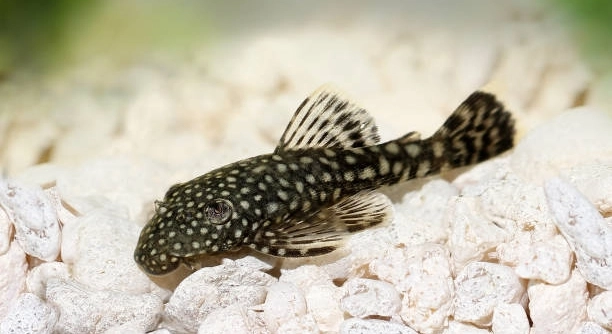
Plecos are popular aquarium fish, known for their algae-eating habits and calm nature. However, as they grow, their space needs change. Knowing when it’s time to upgrade their tank ensures their health and happiness.
A pleco may be ready for a tank upgrade when its current environment becomes too small to accommodate its size, swimming needs, or activity level. The fish’s behavior, growth rate, and health can indicate when this is necessary.
Keeping a close eye on these signs will help keep your pleco comfortable. If you notice certain behaviors or changes, it may be time to act and upgrade their tank for a better living space.
1. Your Pleco Is Growing Quickly
If you notice your pleco growing faster than expected, it may be outgrowing its current tank. Plecos can grow up to 24 inches or more, depending on the species. In smaller tanks, they won’t have enough space to move freely, which could lead to stress or stunted growth. You’ll begin to notice the fish feeling cramped and spending more time hiding or being less active.
As plecos grow larger, their energy levels increase. A tank that was once sufficient will become inadequate, causing your fish to feel restricted. You may see your pleco becoming less sociable or trying to swim in places it can’t fit.
If you’re seeing rapid growth, it’s time to assess if your pleco’s living space is adequate for its size. A larger tank can give your fish room to swim and grow properly, ensuring it remains healthy. Upgrading its environment supports its natural behaviors and provides a better quality of life. A spacious environment reduces stress and promotes overall well-being.
2. Your Pleco Is More Active Than Usual
Sometimes, a pleco’s increase in activity is a sign that it’s outgrown its space. If your pleco is constantly swimming and exploring every corner, it may be signaling that it needs more room.
An increase in activity could also mean the pleco is getting frustrated. In small tanks, they may feel limited and start acting out by swimming more aggressively or trying to escape. Upgrading to a larger tank will allow them to move freely and explore naturally. It also creates a more peaceful environment for the fish, encouraging natural behaviors like foraging and resting.
The best thing you can do for a growing pleco is to give it space to thrive. The more room your pleco has, the more comfortable it will be, leading to a happier and healthier fish in the long run.
3. Your Pleco Is Showing Signs of Stress
A stressed pleco is often a sign that it needs a bigger tank. If your pleco starts hiding more than usual or displays erratic swimming, it’s a clear indication that the tank is too small. Stress can lead to health issues, so it’s important to pay attention.
The most noticeable signs of stress are rapid swimming, hiding, and rubbing against surfaces. These behaviors are often linked to the lack of space, making the pleco feel unsafe or crowded. Stress can also weaken its immune system, leading to further complications. It’s important to act quickly and provide your pleco with more room to reduce these symptoms.
Upgrading the tank will create a more comfortable environment, allowing your pleco to move freely. A larger space reduces stress levels and supports the pleco’s natural behavior, leading to a healthier and happier fish. The goal is to give your pleco room to feel secure and thrive.
4. The Tank Is Becoming Overcrowded
As the pleco grows, the tank can quickly become overcrowded, especially if you have multiple fish. Plecos are bottom dwellers and need plenty of space to graze and move around. If other fish are constantly competing for space or resources, the pleco will not thrive.
An overcrowded tank increases the chances of aggression, stress, and poor water quality. The pleco may not get enough food or space, which can result in stunted growth and health issues. With more fish in a cramped tank, waste also accumulates faster, creating a harmful environment for all species.
To solve this problem, consider upgrading to a larger tank to allow each fish enough space. The pleco will benefit from having more territory to explore, and the overall tank environment will be healthier. Providing more room for each fish reduces competition and supports better water quality, benefiting the entire tank community.
5. Your Pleco’s Behavior Has Changed
If your pleco starts exhibiting unusual behavior, it could be a sign that it needs more space. A lack of room can make the fish stressed or agitated, causing it to act differently than usual.
When a pleco feels cramped, it may become more reclusive or aggressive. It might also spend a lot of time at the surface or near the tank walls, indicating it’s uncomfortable in its current environment. These changes in behavior show that the fish is no longer thriving in its small space.
Upgrading to a larger tank provides the pleco with enough space to move around and explore, which helps to restore normal behavior. A larger space also creates a healthier environment, reducing stress and encouraging the pleco to be more active and relaxed.
6. The Water Quality Is Deteriorating
As your pleco grows, so does its waste production. If the tank size doesn’t increase, it becomes harder to maintain good water quality, which could negatively affect the pleco’s health. More fish waste leads to poor water conditions, which stresses your pleco.
A larger tank gives you more space to filter out waste, making it easier to maintain water quality. With better water conditions, your pleco can thrive without the risk of harmful toxins building up. A bigger tank also allows for better circulation, which promotes cleaner, healthier water for all the fish in your tank.
FAQ
How big should my pleco’s tank be?
A pleco’s tank should be at least 75 gallons for a single adult fish. Since plecos can grow quite large, a bigger tank is always better to ensure they have enough space to move around. The minimum size may depend on the species, but a 75-gallon tank is a general recommendation. If you have more than one pleco, you will need a larger tank to accommodate all of them comfortably. Keep in mind that plecos are active swimmers, and they require a lot of room to maintain their health and well-being.
Can I keep a pleco in a 20-gallon tank?
A 20-gallon tank is too small for an adult pleco. While baby plecos may fit into smaller tanks, they grow quickly and outgrow the space. A 20-gallon tank is not suitable for the size and needs of a mature pleco. When your pleco reaches its adult size, it will need a much larger tank, ideally at least 75 gallons or more. Even though a small tank might work temporarily, it’s crucial to upgrade as your pleco grows.
How often should I change the water in a pleco tank?
Water changes should be done at least once a week, especially in smaller tanks. For larger tanks, you might be able to change the water every two weeks, but this depends on the number of fish and how much waste they produce. Plecos produce a lot of waste, so regular water changes are necessary to keep the tank clean and maintain good water quality. Regular water testing is also essential to ensure the levels of ammonia, nitrites, and nitrates remain safe for your pleco.
What should I feed my pleco?
Plecos are primarily algae eaters, but they also need a varied diet for optimal health. You can feed them sinking algae wafers, fresh vegetables like zucchini or cucumber, and occasional protein sources like bloodworms or shrimp. You can also offer them other vegetables like sweet potatoes or lettuce, making sure to remove uneaten food to prevent water quality issues. A balanced diet is crucial for your pleco to thrive and avoid malnutrition or other health problems.
How can I tell if my pleco is stressed?
Stressed plecos often display signs like hiding more than usual, rubbing against tank surfaces, or swimming erratically. They may also become less active, eat less, or show signs of rapid gill movement. These behaviors are often linked to poor water quality, overcrowding, or not having enough space. A stressed pleco may also become more aggressive or lethargic. Identifying the cause of stress and addressing it, whether through water changes or a larger tank, will help your pleco recover and feel more at ease.
Can plecos live with other fish?
Yes, plecos can live with other fish as long as they are compatible. Plecos are generally peaceful, bottom-dwelling fish, so they tend to get along well with most species. However, they may be territorial when it comes to food and space. You should avoid housing them with aggressive or overly active fish that might compete for territory or disturb the pleco. It’s also essential to ensure the tank is large enough to accommodate the needs of all species to prevent overcrowding.
Do plecos need a filter?
Yes, plecos need a good filtration system. They produce a significant amount of waste, which can lead to poor water quality if not removed regularly. A filter helps maintain clean water by removing waste and toxins from the tank. It’s important to choose a filter that is strong enough to handle the size of your tank and the fish load. The filtration system should also allow for proper water circulation, which is crucial for a healthy environment for your pleco.
What is the ideal temperature for a pleco tank?
Plecos prefer water temperatures between 72°F and 82°F (22°C – 28°C). It’s essential to keep the temperature stable to avoid stress or health issues. A heater can help regulate the temperature in your tank, especially in cooler climates. Make sure to monitor the water temperature regularly, as fluctuations can affect your pleco’s health and behavior. Consistent temperature helps create a more comfortable environment and reduces the chances of stress or illness.
Do plecos require any special care?
Plecos are relatively low-maintenance fish but still require basic care to stay healthy. Apart from regular water changes and a proper filtration system, you should provide them with a balanced diet, appropriate tank size, and stable water conditions. They also benefit from hiding spots in the tank, like caves or plants, where they can feel secure. Regularly check for signs of stress, disease, or poor water quality, and take action quickly if you notice anything unusual.
Can plecos live without a heater?
Plecos can live without a heater in areas where the water temperature stays within their ideal range, between 72°F and 82°F. However, in colder climates or if your tank fluctuates in temperature, a heater is a good idea to maintain consistency. A stable temperature is essential for plecos to stay healthy, and a heater ensures they don’t experience temperature stress. Make sure to monitor the water temperature with a thermometer to keep it within the optimal range.
Final Thoughts
Taking care of a pleco can be a rewarding experience, but it’s important to understand their needs as they grow. They start small, but quickly develop into larger fish that require more space, proper water conditions, and a balanced diet. Upgrading their tank is not just about giving them more room, but also ensuring their health and happiness. As your pleco grows, you’ll see more of their natural behaviors emerge, and providing a larger tank will allow them to thrive. Regular monitoring of water quality, temperature, and feeding will help your pleco live a long and healthy life.
When upgrading your pleco’s tank, remember that size matters. A 75-gallon tank is a good starting point for an adult pleco, but the bigger, the better. Giving your pleco enough space to swim and explore will reduce stress and prevent behavioral issues. You should also ensure that the new tank has adequate filtration and good water circulation to maintain clean, healthy water. This will create a comfortable environment for your pleco and reduce the chances of health problems. The investment in a larger tank will pay off with a happier and healthier fish.
Lastly, always keep an eye on your pleco’s behavior and health. Changes in activity, hiding habits, or eating patterns can be signs that your pleco is outgrowing its tank or is dealing with stress. Don’t wait too long to upgrade if you notice these signs. Taking prompt action ensures that your pleco will continue to thrive and avoid potential health problems. With the right care and environment, your pleco will live a long, happy life in your aquarium.

Hello,
If you enjoy the content that we create, please consider saying a "Thank You!" by leaving a tip.
Every little bit helps us continue crafting quality advice that supports the health, happiness, and well-being of pets around the world, for pets of all shapes, sizes, and species.
We really appreciate the kindness and support that you show us!