
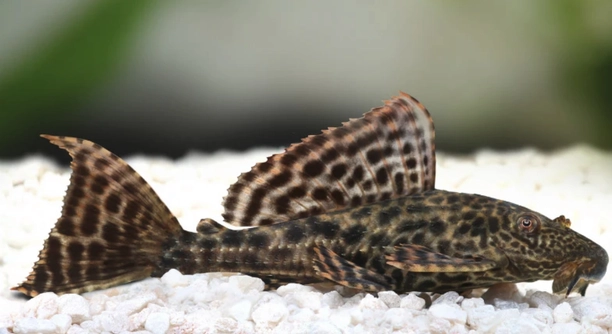
Is your pleco starting to act differently or look cramped in its current tank setup, even though nothing else has changed recently?
A pleco may be outgrowing its tank when it shows signs like limited movement, frequent hiding, visible stress, or rapid waste buildup. These indicators suggest the environment no longer meets its space and health requirements.
Recognizing these signs early can help you make the right changes to support your pleco’s well-being and prevent long-term issues.
Your Pleco Looks Cramped or Stressed
When a pleco starts to feel too big for its tank, it may become less active or show signs of stress. You might notice it squeezing into tight spaces it once fit in easily. It may also swim awkwardly or avoid moving much at all. These behaviors can point to a lack of room to move freely, which affects the pleco’s comfort. Over time, this can lead to physical strain or weakened health. Tank decor, once useful for hiding, may now block movement or trap the fish. The pleco may even start to rub against the glass or decorations more often, trying to create space. It’s important to pay attention to these signs, especially if your pleco was previously more active and relaxed. The change in movement or mood is often a clear sign that the environment is no longer suitable. A tank upgrade may be needed soon.
Smaller tanks limit the space a pleco needs to swim, rest, and explore, especially as it gets larger.
Look closely at the way your pleco uses the tank. If it rarely leaves one corner, struggles to turn around, or hides more often, the space is probably too tight. Behavior changes like these don’t happen for no reason. A cramped tank affects not just movement but also water quality, which adds to stress. Plecos that feel confined may also eat less or seem restless during feeding times. While occasional hiding is normal, constant retreat from open areas isn’t. A growing pleco needs more room to stay active and healthy. You’ll notice improvements once you provide better conditions.
Its Waste Is Building Up Fast
Increased waste is often one of the first things you’ll notice when a pleco is getting too big for its tank.
Plecos produce a lot of waste, especially as they grow. If your tank seems harder to keep clean or needs more frequent water changes, this could be a sign the tank size no longer suits your fish. A small tank can’t keep up with the biological load of a larger pleco. Even with regular cleaning and a good filter, the water might stay cloudy or develop odors quickly. This buildup affects the water’s oxygen levels, raises ammonia, and puts stress on all the tank’s residents. Poor water conditions can also lead to fin damage, slower growth, or illness. If you’re noticing algae blooms more often or your pleco’s behavior changes after water changes, it’s worth considering a tank upgrade. Bigger tanks give waste more room to dilute and make it easier to maintain healthy water parameters.
Its Growth Seems Stunted
If your pleco’s growth has slowed down, the tank may be too small. A restricted space can limit development, making the fish grow slower than expected even with proper feeding and lighting.
Plecos kept in tanks that are too small may not reach their full size. The lack of space can affect how their bodies grow, especially their fins and overall length. This doesn’t mean the fish is healthy just because it’s smaller. It could actually be a sign of stunted growth due to environmental pressure. In smaller tanks, plecos may also face more waste exposure, which affects health and growth. The stress of confinement causes their systems to slow down. Some may even stop growing altogether, even if they are still eating regularly. You may also notice duller coloring, which can come from the strain of living in an unsuitable environment. All of this points to a need for more space.
Growth stalling in plecos is not always obvious right away. You might not see a difference until you compare photos or realize months have passed without much size change. If your pleco is younger and should still be growing, it’s worth checking tank size and water quality. These two factors often go hand in hand. A tank that is too small limits both physical movement and the ability to keep water clean. Even with frequent maintenance, the stress builds over time. Providing a larger space encourages natural behavior and healthier growth. You may see your pleco begin to gain size again once the tank is upgraded and the conditions improve.
It’s Outgrowing the Hiding Spots
When your pleco no longer fits into the hiding spots it once used comfortably, the tank has likely become too small. This change in behavior and space usage is an early sign that your setup isn’t meeting its needs anymore.
Hiding spots are important for plecos. They rely on these areas to rest and feel secure. As they grow, the decor or caves that once fit them become too tight or completely unusable. You may notice the pleco trying to wedge itself into a spot it can no longer fit into. In some cases, they give up hiding altogether, which can raise stress. This creates a problem, especially in shared tanks. Without shelter, your pleco may become more skittish or aggressive. A tank upgrade with new, larger hiding spots can solve this. It allows the pleco to relax, reduces stress, and restores its usual hiding habits without discomfort or injury.
It’s Eating More Than Usual
A pleco that starts eating more than usual might be growing quickly and needing more nutrients. This can be a sign that the current tank isn’t supporting its increased energy needs and space requirements anymore.
If feeding seems constant and your pleco still looks restless or unsatisfied, it may be time to reassess the tank size. A growing appetite often matches a growing body.
It’s Damaging Decorations or Tank Walls
When a pleco becomes too large for its tank, it may start knocking over decorations or rubbing along the glass more aggressively. These movements can be signs of discomfort or restlessness, both of which are common when space becomes too limited for the fish’s size and natural behavior.
FAQ
How big do plecos get, and when do they need a bigger tank?
Plecos vary by species, but common types like the common pleco can grow up to 18–24 inches. Bristlenose plecos stay smaller, around 4–6 inches. Growth speed depends on food, water quality, and tank size. A juvenile pleco may do well in a smaller tank at first, but it will outgrow it quickly. As a general rule, once your pleco reaches 5–6 inches, you should consider upgrading the tank to at least 75 gallons for larger species. Bristlenose plecos can live comfortably in a 30-gallon tank, but bigger is always better for keeping stable conditions and allowing natural behavior.
What happens if a pleco stays in a tank that’s too small?
When a pleco lives in a tank that’s too small, it faces both physical and environmental stress. It might stop growing, become less active, or hide constantly. Poor water conditions will develop faster in small tanks, causing a rise in ammonia and other toxins. These conditions can weaken the pleco’s immune system and lead to illness or shortened lifespan. The lack of space also affects muscle tone and mobility. You may also notice damage to its fins or body from squeezing into tight spaces. Over time, living in a cramped tank reduces the pleco’s quality of life significantly.
How often should I clean the tank if my pleco is outgrowing it?
If your pleco is outgrowing its tank, you’ll probably need to clean it more often. Waste will build up faster, and regular water changes may not be enough to keep the water safe. In smaller tanks with a large pleco, water changes may need to be done every 2–3 days, depending on the filtration system. You might also need to clean filters more frequently due to clogging. However, increasing cleaning frequency is not a long-term fix. It helps temporarily, but the real solution is upgrading to a larger tank that can handle the waste more effectively and stay stable longer.
Can I keep multiple plecos in the same tank?
Keeping multiple plecos in the same tank depends on the species and tank size. Some plecos are territorial and don’t do well with others, especially in small tanks. Bristlenose plecos are more peaceful and may be kept in groups if there is enough space, hiding spots, and food. For larger plecos like the common or sailfin types, one fish per tank is usually best unless the tank is very large—over 150 gallons. If you do want to keep more than one, make sure each pleco has its own space and shelter to reduce conflict and stress.
Do plecos outgrow their tanks quickly?
Plecos can outgrow their tanks faster than you might expect. Some species grow several inches within a few months, especially if they are healthy and well-fed. Small tanks might work for young plecos, but they don’t stay small for long. In the first year alone, a common pleco can grow from just a couple of inches to over 10 inches. This growth rate means you’ll need to plan for a larger setup soon after getting one. Waiting too long to upgrade can lead to stress and health issues. It’s better to prepare early than to wait for problems to appear.
What’s the best tank size for a common pleco?
For a full-grown common pleco, the best tank size is at least 75 to 100 gallons. These fish need space to move, hide, and grow comfortably. A large tank also makes it easier to maintain good water quality. Even though they are often sold as small juveniles, common plecos need much more room than most beginners expect. Starting with a smaller tank is okay in the very beginning, but upgrading quickly is important. A long tank is better than a tall one, as it gives more horizontal space for the pleco to swim and explore.
Will a pleco stop growing if the tank is too small?
Yes, plecos can stop growing when the tank is too small, but this is not healthy. Their growth may slow down due to poor water quality, stress, or lack of movement. Some people think a fish will only grow to fit its tank, but in reality, this kind of stunted growth often causes long-term harm. It can affect internal organ development and lead to illness. A pleco that doesn’t grow to its full potential is usually suffering from some form of stress or environmental issue. Giving it more space often helps resume normal, healthy growth.
Final Thoughts
Keeping a pleco healthy means paying attention to how it behaves, moves, and grows over time. These fish are often bought when they’re small, but they can get much bigger, especially common plecos. As they grow, their needs change. What once was a comfortable tank can slowly become too small. This doesn’t happen overnight, so the signs are easy to miss. But things like slowed growth, extra waste, or hiding more than usual are all small warnings that your pleco might not have enough space anymore. Watching out for these signs helps prevent bigger problems later.
A small tank can lead to poor water conditions, limited swimming space, and a more stressful environment for your pleco. These fish are peaceful by nature, but they need room to move and feel safe. When they start damaging tank decorations, rubbing against glass, or eating less, it often means the setup no longer meets their needs. Cleaning the tank more often can help for a little while, but it won’t fix the problem completely. A tank upgrade might sound like a big step, but it gives your pleco the room it needs to grow properly and live without stress. It also makes your job easier when it comes to water care.
Plecos are hardy and can adapt to many conditions, but they still need the right space to thrive. Bigger tanks not only help your fish grow well, but they also support better water quality and more stable environments. Choosing the right tank size from the start—or being ready to upgrade when the time comes—can make a big difference in your pleco’s long-term health. Paying attention to small changes in behavior or growth can guide you toward the right choices before things get serious. A well-sized tank will keep your pleco active, calm, and more enjoyable to watch. In the end, it’s all about giving your fish the space and care it deserves.

Hello,
If you enjoy the content that we create, please consider saying a "Thank You!" by leaving a tip.
Every little bit helps us continue crafting quality advice that supports the health, happiness, and well-being of pets around the world, for pets of all shapes, sizes, and species.
We really appreciate the kindness and support that you show us!