
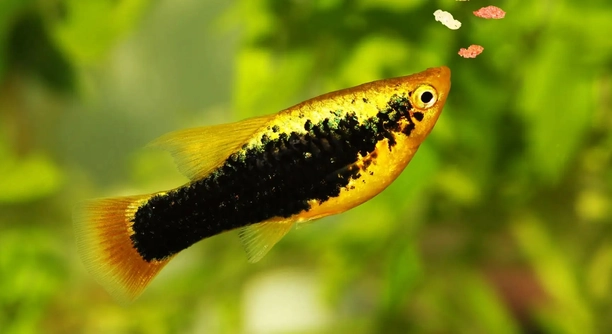
Platies are popular freshwater fish that brighten many home aquariums. They are generally hardy but need proper nutrition to stay healthy and vibrant. Knowing the signs of an inadequate diet helps keep them thriving.
Poor diet in platies often results in visible symptoms such as dull coloration, sluggish behavior, stunted growth, and weakened immune function. These signs indicate nutritional deficiencies that require prompt dietary adjustments to improve overall fish health and longevity.
Recognizing these signs early allows you to make informed changes that will support your platy’s wellbeing and enjoyment in your aquarium.
Dull or Faded Coloration
A healthy platy displays bright, vibrant colors that add life to the aquarium. When a platy’s colors begin to dull or fade, it often signals a lack of essential nutrients. Vitamins and minerals like carotenoids play a big role in maintaining their natural hues. Without proper nutrients, their coloration can become washed out or patchy. This change is usually gradual but noticeable, especially if you keep a close eye on your fish. Dull colors may also indicate stress or illness, but poor diet is a common reason. Adjusting their food to include a varied diet with quality flakes, pellets, and fresh vegetables can help restore their color. Consistent feeding with nutrient-rich food supports their immune system and overall vitality.
Color fading in platies often points to dietary gaps. Addressing this quickly improves their appearance and health significantly.
Improving the diet by offering foods rich in carotenoids, like spirulina flakes and fresh greens, helps platies regain their vibrant color. Supplements can also be beneficial but should be used cautiously. Avoid overfeeding, as excess food can pollute the tank and harm the fish. A balanced, varied diet is key to keeping platies colorful and active over time.
Lethargy and Reduced Activity
Lethargy in platies means they are less active than usual. This can be caused by poor nutrition affecting their energy levels. When platies don’t get enough protein or essential fatty acids, their behavior changes. They may rest on the bottom more often or move slowly around the tank. Lethargy is a warning sign that something in their diet needs adjustment to meet their nutritional needs.
Poor diet can reduce energy and affect how platies interact with their environment.
It is important to provide a balanced diet with protein sources such as bloodworms, brine shrimp, or quality pellets. Protein supports muscle function and energy production. Inadequate protein intake can weaken their swimming ability and immune response. Feeding small portions multiple times a day encourages better digestion and steady energy. Keeping the water clean and at the right temperature also supports recovery from lethargy. Monitoring your platy’s behavior closely helps catch problems early and ensures they remain lively and healthy.
Stunted Growth
Stunted growth is a clear sign that a platy’s diet is lacking. Without proper nutrients, they do not develop as they should and remain smaller than their healthy counterparts.
Platies need a balanced diet rich in proteins, vitamins, and minerals to support their growth. When these nutrients are missing, their bodies cannot develop properly, resulting in slow or halted growth. Young fish are especially vulnerable to these deficiencies. Feeding high-quality flakes or pellets designed for tropical fish ensures they receive the necessary nutrition. Adding fresh vegetables like spinach or peas can also provide important vitamins.
It’s important to monitor growth regularly and adjust feeding habits if platies seem smaller or less robust than expected. Overfeeding or feeding poor-quality food can also cause growth issues, so moderation and variety are key. Combining good nutrition with clean tank conditions helps platies reach their full size and live longer, healthier lives.
Frequent Illness
Frequent illness often occurs when platies have weak immune systems caused by poor diet. Without enough nutrients, their bodies cannot fight off infections effectively.
A diet lacking in essential vitamins and minerals leaves platies vulnerable to common diseases such as ich, fin rot, and fungal infections. Proper nutrition strengthens their immune defenses and helps repair tissue damage. Feeding a mix of protein-rich foods and vitamin supplements supports health and disease resistance. Avoid overfeeding or sudden diet changes, as these can stress fish and weaken immunity further.
Maintaining a varied diet combined with regular water changes and tank maintenance reduces illness risks. Ensuring platies receive all necessary nutrients keeps them active and less prone to infections. Regular observation and early action can prevent minor issues from becoming serious health problems.
Poor Appetite
A platy with a poor appetite may not be getting the nutrients it needs. This behavior can lead to further health issues if left unchecked.
Loss of appetite often signals dietary imbalance or illness. Adjusting the diet to include more appealing and nutritious foods can help restore their eating habits and overall health.
Weight Loss
Weight loss in platies is usually caused by insufficient nutrition. Without enough protein and essential nutrients, they begin to lose body mass and look thinner.
Consistently feeding high-quality, protein-rich food along with occasional live or frozen treats can help platies regain weight. It’s important to feed small amounts multiple times daily to support healthy digestion and absorption.
Clamped Fins
Clamped fins are a sign that a platy may be stressed or unhealthy, often due to poor diet or poor water conditions. This behavior reduces their ability to swim comfortably.
FAQ
What is the best diet for platies?
Platies thrive on a varied diet that includes high-quality flakes or pellets formulated for tropical fish. Adding live or frozen foods such as bloodworms, brine shrimp, or daphnia boosts protein intake. Fresh vegetables like spinach, peas, or zucchini provide necessary vitamins and fiber. Offering a mix of these foods helps ensure balanced nutrition for growth, color, and overall health. Feeding small portions two to three times daily prevents overfeeding and maintains water quality.
How often should I feed my platies?
Feeding platies two to three times a day is ideal. Small, frequent meals allow better digestion and reduce food waste in the tank. Overfeeding can cause water pollution and health problems. Feed only the amount they can consume in about two minutes. Observing their appetite and adjusting portions accordingly helps maintain a healthy diet without overfeeding.
Can poor water quality affect my platy’s diet?
Yes, poor water quality stresses fish and reduces their appetite and nutrient absorption. High ammonia, nitrite, or nitrate levels can cause illness and weaken the immune system. Regular water changes, proper filtration, and monitoring water parameters are essential. A clean environment supports better feeding habits and nutrient uptake.
What are signs my platy is malnourished?
Signs include dull colors, stunted growth, lethargy, frequent illness, weight loss, poor appetite, and clamped fins. These symptoms often appear gradually but indicate a need for dietary improvement. Early detection and adjusting the diet promptly can reverse many of these effects and improve your platy’s health.
Is it necessary to supplement my platy’s diet?
Supplementation can be helpful, especially for vitamins and minerals not fully provided by flakes or pellets. Vitamin-enriched foods or liquid supplements added occasionally support immune function and coloration. Use supplements carefully to avoid overdosing, which can harm fish or water quality. A balanced diet usually provides most nutrients without frequent supplementation.
Can I feed only flakes or pellets?
Feeding only flakes or pellets may provide basic nutrition but lacks variety and some nutrients found in live or fresh foods. A mixed diet promotes better health, vibrant colors, and stronger immune systems. Adding live or frozen foods and vegetables ensures a well-rounded nutrient profile that flakes alone might miss.
How do I transition my platy to a better diet?
Introduce new foods gradually by mixing them with the current diet. Start with small amounts of live or frozen foods and fresh vegetables, increasing over several days. Watch for acceptance and any digestive issues. Avoid sudden changes to prevent stress and maintain appetite. Consistency and variety help platies adapt and benefit from improved nutrition.
Can stress affect my platy’s eating habits?
Yes, stress from overcrowding, poor water conditions, or aggressive tank mates can reduce appetite and cause health problems. Stress weakens the immune system, making fish more vulnerable to illness. Providing a stable, clean environment with suitable companions encourages healthy feeding behavior and reduces stress.
What should I avoid feeding my platy?
Avoid feeding processed human foods, fatty or salty snacks, and anything that decomposes quickly in water. Bread, chips, or foods high in salt can harm fish. Also, avoid overfeeding as uneaten food pollutes the tank. Stick to foods designed for tropical fish and occasional fresh vegetables for best results.
How can I tell if my platy is getting enough food?
Healthy platies remain active, have bright colors, and maintain good body weight. They eagerly eat during feeding but don’t overeat. Observing their behavior during feeding and regularly checking their body condition helps determine if the diet meets their needs. Adjust portions if fish appear thin or inactive.
Is it normal for platies to sometimes refuse food?
Occasional refusal may happen due to stress, illness, or water changes. If refusal lasts more than a day or two, it might indicate a problem. Check water quality, diet, and tank conditions. Persistent refusal requires investigation and possible diet adjustment or veterinary advice.
Can homemade diets replace commercial foods?
Homemade diets can supplement commercial foods but rarely replace them entirely. Preparing balanced homemade meals requires knowledge of fish nutrition. Most hobbyists find commercial flakes or pellets more convenient and reliable for daily feeding. Homemade foods work best as occasional treats or supplements.
How important is diet for breeding platies?
Diet is critical for breeding success. Well-fed females produce more eggs, and fry grow stronger with proper nutrition. Protein-rich foods and vitamin supplements improve fertility and fry survival rates. Providing a varied diet supports reproductive health and healthy offspring.
What role do vegetables play in a platy’s diet?
Vegetables provide fiber, vitamins, and minerals important for digestion and overall health. Foods like spinach, peas, and zucchini help prevent constipation and support immune function. Blanch vegetables before feeding to soften them and remove pesticides. Vegetables should be part of a balanced diet, not the only food.
Can I feed my platy the same food every day?
Feeding the same food daily can lead to nutrient gaps. Variety prevents deficiencies and keeps fish interested in their meals. Rotating between flakes, pellets, live or frozen foods, and vegetables ensures balanced nutrition. This diversity supports growth, color, and disease resistance.
What is the best way to store platy food?
Store flakes, pellets, and frozen foods in airtight containers away from heat and moisture. Proper storage preserves nutrients and prevents spoilage. Frozen foods should be thawed before feeding and not refrozen. Fresh vegetables should be rinsed and stored in the fridge to maintain freshness.
These answers provide clear guidance to keep platies well-fed, healthy, and vibrant through proper diet and care.
Proper diet is essential for the health and wellbeing of platies. Like any living creature, these fish need balanced nutrition to grow, stay active, and display their bright colors. A poor diet can cause a range of problems, including dull coloration, lethargy, stunted growth, and even frequent illness. Paying attention to the signs that indicate a platy’s diet needs improvement helps prevent serious health issues. Making adjustments early on ensures the fish live longer and enjoy a better quality of life in the aquarium.
Providing a varied diet is one of the best ways to support platies. High-quality flakes or pellets designed for tropical fish form a good base, but adding live or frozen foods like bloodworms and brine shrimp adds essential proteins. Fresh vegetables such as spinach and peas offer vitamins and fiber that flakes alone may not provide. Feeding smaller amounts multiple times a day encourages better digestion and reduces waste in the tank. Avoiding overfeeding and maintaining good water quality are equally important, as both can impact a fish’s health and appetite.
Monitoring your platies regularly will help you spot early signs of dietary issues. Changes in behavior, appearance, or activity level can be clues that their nutrition needs adjustment. Keeping a consistent feeding routine, observing how your fish respond to their diet, and making small changes as needed supports their long-term health. Ultimately, a balanced diet combined with proper tank care creates the best environment for your platies to thrive and remain vibrant members of your aquarium.

Hello,
If you enjoy the content that we create, please consider saying a "Thank You!" by leaving a tip.
Every little bit helps us continue crafting quality advice that supports the health, happiness, and well-being of pets around the world, for pets of all shapes, sizes, and species.
We really appreciate the kindness and support that you show us!