
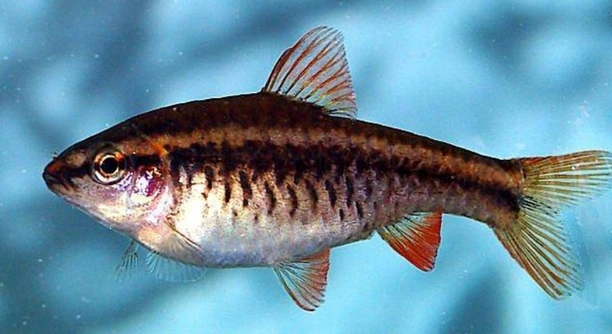
Cherry barbs are small, vibrant fish often kept in aquariums. Understanding when they are ready to mate is crucial for breeding. Observing specific signs will help ensure that your fish are prepared for this natural process.
The signs that a cherry barb is ready to mate include changes in behavior, body coloration, and physical condition. The males typically show more vibrant colors, become more active, and engage in chasing or courting females during breeding periods.
Recognizing these signs will help you identify the right time for breeding your cherry barbs and ensure their well-being during the process.
Male Cherry Barb Behavior Changes
As cherry barbs prepare to mate, the males will exhibit noticeable behavior changes. They become more active, swimming energetically around the tank. Their movements often include rapid darting and chasing of the females, signaling their readiness for mating. During this time, you may also see them displaying unique courtship rituals. The males will often perform intricate swimming patterns to attract the attention of the females. These displays are part of their natural instincts and help demonstrate their fitness as potential mates.
In addition to the changes in behavior, male cherry barbs also increase their activity levels significantly. This heightened energy level is a sign that they are preparing for breeding. Their more frequent movements indicate they are ready to engage with the females in the tank.
This behavioral shift is one of the most telling signs that a cherry barb is ready to mate. It’s essential to monitor these changes closely to ensure that the fish are in optimal conditions for successful breeding.
Physical Appearance Changes
When cherry barbs are ready to mate, their physical appearance also undergoes changes. Males become more vibrant, with their red or orange coloration becoming more pronounced. This transformation is an instinctive way for males to attract females and signal their readiness for mating. The brighter colors also show that the males are in peak health, which is essential for a successful breeding process. Female cherry barbs may also exhibit slightly different colorations, although the change is often less dramatic than in males.
These physical transformations are crucial for both attracting mates and ensuring the survival of the species. Healthy and vibrant colors are indicators of a cherry barb’s fitness, helping females choose the best potential mates. You should look out for these signs, as they’re a clear indication that mating conditions are ideal.
Increased Aggression in Males
As males prepare to mate, you may notice an increase in aggression. They often chase other males away from potential mates, establishing dominance over their territory. This behavior is common during the breeding season and ensures the male has the best chance to mate.
The more dominant males will typically be the ones that get the attention of females. Their assertiveness shows they are capable of protecting a mate and ensuring the health of the offspring. This heightened aggression can sometimes lead to minor skirmishes, which is part of the natural mating process.
While this aggression may seem excessive, it’s a necessary part of the mating ritual. Observing this behavior in your male cherry barbs signals that they are preparing for breeding and ready to compete for the opportunity to mate.
Female Cherry Barb Behavior
Female cherry barbs behave differently during the mating process. They tend to be more passive, often hiding or staying near plants to avoid being chased. When they are ready to mate, they’ll be more active, swimming alongside males, signaling that they are open to mating.
Females will also exhibit specific behaviors when ready to mate, such as increased swimming around the tank and following males closely. Their readiness is often displayed when they stop hiding and move more freely within the aquarium. At this point, males will notice the changes and increase their attempts to court the females.
These shifts in female behavior help trigger the mating process, allowing the males to recognize the signs of fertility and readiness. Female cherry barbs generally play a more passive role, but they influence the overall dynamics of the breeding process with their behaviors.
Mating Rituals
Mating rituals among cherry barbs are often a sight to behold. Males will chase and display intricate swimming patterns in front of females, trying to get their attention. This courtship behavior is part of the male’s strategy to prove his fitness.
The courtship displays help males stand out to females, highlighting their strength and ability to reproduce healthy offspring. As the male performs his ritual, the female may show interest by swimming alongside him or following his movements. Once the female is ready, she will signal her readiness through her actions and body language.
These rituals are critical for both males and females in selecting the most suitable mate. The most successful and healthy males typically attract the females’ attention during this process.
Ideal Tank Conditions for Breeding
For successful cherry barb breeding, tank conditions must be optimal. Ensure the water is clean, with a temperature between 75-80°F (24-27°C) and a pH of 6.5 to 7.5. A stable environment helps create the ideal conditions for mating.
Adding plants or hiding spots encourages comfort and security for females, allowing them to breed more easily. You can also use a breeding box or separate tank for the process to avoid stress. Keeping the water parameters consistent ensures that both males and females feel secure enough to mate, contributing to the breeding process.
Diet and Health Before Mating
Before mating, providing a nutritious diet is essential for the health of both males and females. A diet rich in protein and variety supports their energy levels and reproductive health. Feed them high-quality flake food, along with occasional live or frozen foods like brine shrimp or daphnia.
Proper nutrition helps maintain healthy coloration and overall vitality, both of which are important for successful mating. Well-fed fish will be more active and ready for courtship. It’s essential to monitor their health closely, as malnourished or stressed fish may not be able to reproduce effectively.
FAQ
How can I tell if my cherry barbs are ready to mate?
When cherry barbs are ready to mate, the males show vibrant colors, becoming more active and engaging in courtship behaviors like chasing and displaying swimming patterns. Females, in turn, will become more passive but will swim alongside the males once they are ready. Additionally, males will often display aggression towards other males, ensuring they have the best chance at mating.
Do cherry barbs breed in community tanks?
Yes, cherry barbs can breed in community tanks. However, it’s essential to ensure that the tank mates are not overly aggressive and that there are enough hiding spots for the females. Plants, rocks, or breeding boxes can provide shelter and security for the females to lay their eggs in peace. It’s best to monitor the water conditions to keep them optimal for breeding.
How often do cherry barbs breed?
Cherry barbs breed regularly when conditions are right. Typically, they will breed once every couple of weeks if they are well-fed and in optimal water conditions. However, the frequency may vary depending on tank conditions and the availability of mates. It’s essential to maintain stable water parameters to encourage consistent breeding cycles.
How do cherry barbs reproduce?
Cherry barbs reproduce by laying eggs, which are fertilized externally by the males. The male will court the female, and once she is ready, she will lay her eggs in plants or other surfaces. The male fertilizes the eggs immediately after. The eggs hatch within a few days, depending on the water temperature.
What do cherry barbs need to breed successfully?
To breed cherry barbs successfully, ensure the water temperature is between 75-80°F (24-27°C) and the pH is around 6.5-7.5. Adding live plants, like java moss or water sprites, provides a suitable place for egg laying. A varied diet rich in protein, such as brine shrimp or daphnia, will support their health and breeding readiness.
Do cherry barbs need to be separated to breed?
Cherry barbs don’t necessarily need to be separated for breeding, but a breeding tank or breeding box can improve the chances of successful reproduction. If you choose not to separate them, ensure that there are enough hiding spaces for the female. This helps reduce stress, especially when the males become aggressive in their attempts to mate.
How many eggs do cherry barbs lay at once?
Cherry barbs typically lay between 20 and 50 eggs at a time. These eggs are small and usually laid on plants or other surfaces in the tank. The female may lay multiple batches of eggs over time, depending on her health and tank conditions. The males will fertilize them immediately after they are laid.
How long does it take for cherry barb eggs to hatch?
Cherry barb eggs usually hatch within 2 to 3 days, depending on the water temperature. Warmer water will speed up the hatching process. Once the eggs hatch, the fry will begin to swim freely, and it’s important to provide them with small food like infusoria or powdered fry food to support their growth.
Can I keep cherry barb fry in the same tank as the adults?
While it’s possible to keep cherry barb fry in the same tank as adults, there is a risk that the adult fish will eat the young. To protect the fry, consider using a breeding box or a separate tank until they are large enough to avoid being eaten. If you keep them in the same tank, ensure plenty of hiding spots for the fry.
How do I care for cherry barb fry?
Cherry barb fry need very small food particles, such as infusoria or specially formulated fry food, for the first few weeks of their life. Keep the water clean and well-filtered, as fry are particularly sensitive to water conditions. Gradually introduce larger foods like baby brine shrimp as they grow. Make sure the water temperature remains steady around 76-78°F (24-26°C).
What is the best temperature for cherry barb breeding?
The best temperature for breeding cherry barbs is between 75-80°F (24-27°C). Water that is too cold can slow down their metabolism and prevent breeding, while water that is too warm can lead to stress. Maintaining stable, warm water conditions encourages breeding activity and helps with egg development.
Can cherry barbs breed with other fish?
No, cherry barbs can only breed with other cherry barbs. They belong to a specific species, and mating with different species would not result in successful reproduction. However, they can coexist with many peaceful species in a community tank, but breeding will only happen between males and females of the same species.
How can I encourage my cherry barbs to breed?
To encourage cherry barbs to breed, ensure that they have a balanced diet and optimal water conditions. Mimicking the seasonal changes by gradually increasing the temperature can also trigger their breeding behavior. A well-planted tank with plenty of hiding spots will make the fish feel safe and secure, promoting breeding.
How long do cherry barbs live?
Cherry barbs generally live for around 3 to 5 years when kept in a well-maintained tank. Good water quality, a varied diet, and a stress-free environment can help extend their lifespan. Regular water changes and proper care are essential for maintaining their health and breeding potential.
Are cherry barbs good for beginner fish keepers?
Yes, cherry barbs are excellent for beginner fish keepers due to their hardiness and easy-to-care-for nature. They don’t require complicated tank setups, making them an ideal choice for new aquarium hobbyists. They adapt well to various water conditions, as long as the water is kept clean and stable.
Can cherry barbs be kept in a tank with other fish?
Yes, cherry barbs can live peacefully in a community tank with other non-aggressive fish. They get along well with most small, peaceful species, but avoid keeping them with larger or overly aggressive fish that may stress them out. Adding plants or decorations provides hiding spaces for them to feel secure.
Do cherry barbs need a filter for breeding?
Yes, having a filter in the tank is crucial, even during breeding. A filter ensures the water stays clean and free of toxins, which is vital for both adult and fry health. However, avoid strong currents that could disturb the delicate fry. A sponge filter works well for breeding tanks.
How do I know if my cherry barb is stressed?
Signs of stress in cherry barbs include erratic swimming, lack of appetite, hiding, or displaying faded colors. Stress can result from poor water quality, aggression from tank mates, or improper tank conditions. It’s important to address the cause of stress to prevent health issues and encourage breeding.
Can I use chemicals to help my cherry barbs breed?
It’s best to avoid using chemicals to encourage breeding, as they can cause harm to your fish. The natural approach, such as adjusting water temperature, maintaining stable conditions, and providing a proper diet, is the most effective way to encourage successful reproduction. Always prioritize the health of your fish.
Final Thoughts
Breeding cherry barbs can be a rewarding experience for any aquarium hobbyist. With the right conditions, these small and vibrant fish can reproduce regularly, providing new additions to your tank. Understanding the signs that your cherry barbs are ready to mate, such as changes in behavior and color, can help ensure a successful breeding process. The male’s bright colors and active courtship behaviors are key indicators, and once the female is ready, she will cooperate in the process. Having a well-maintained tank with appropriate hiding spaces and clean water can make all the difference in encouraging breeding.
Caring for cherry barb fry requires attention to detail, especially in their early stages. Providing the proper environment, from water temperature to food, ensures their healthy development. Fry should be fed appropriately sized food, like infusoria or fine powdered food, until they grow large enough for larger offerings. Keeping the water clean and maintaining stable conditions will also help them thrive. The process of raising fry can be a bit challenging, but it’s also quite satisfying when you see the new generation growing and developing into beautiful adult fish.
Cherry barbs are a great addition to any peaceful community tank. They are easy to care for and can live happily alongside other non-aggressive species. When breeding cherry barbs, it’s important to be patient, as breeding success may take time. Ensuring that the fish are well-fed, healthy, and in a stress-free environment is essential for encouraging mating. Whether you’re an experienced fish keeper or a beginner, breeding cherry barbs can be a fun and fulfilling way to expand your aquarium’s population and enjoy these colorful fish even more.

Hello,
If you enjoy the content that we create, please consider saying a "Thank You!" by leaving a tip.
Every little bit helps us continue crafting quality advice that supports the health, happiness, and well-being of pets around the world, for pets of all shapes, sizes, and species.
We really appreciate the kindness and support that you show us!