
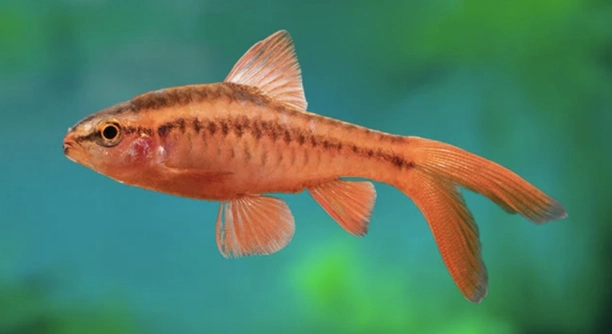
Cherry barbs are fascinating fish, especially when they are about to lay eggs. Observing the signs of egg-laying can help in ensuring the best care for these lively creatures. Knowing what to look for can be both fun and helpful.
When a cherry barb is about to lay eggs, their body will exhibit noticeable changes. These may include a more rounded abdomen, behavioral shifts like increased hiding, and a more vivid color. These signs indicate the upcoming spawning event.
Watching for these signs can help you prepare your tank for the spawning process. This will ensure a smoother experience for both you and your cherry barb.
Physical Changes to Look For
As a cherry barb nears egg-laying, you’ll notice distinct physical changes. Their abdomen becomes noticeably rounder, as the female’s body prepares to carry eggs. This is one of the most obvious signs that egg-laying is imminent. In addition, their coloration intensifies. Female cherry barbs may develop a deeper red hue along their bodies. These changes can also help you differentiate between males and females. Male cherry barbs, while colorful, don’t display the same physical alterations. Keep an eye on these signs if you’re hoping to breed your cherry barbs.
The transformation is quick, and in some cases, you may notice the changes overnight. The roundness of the female’s abdomen can be a telltale sign of pregnancy.
In addition to body changes, female cherry barbs may start acting differently. They may become less active, seeking out hiding spots in the tank. You might notice the females becoming more selective about where they swim. Males often become more territorial and will chase the females around the tank. This behavior is a natural part of the reproductive process.
Behavioral Shifts
Along with physical changes, female cherry barbs exhibit different behaviors as they approach egg-laying. They may spend more time hiding in plants or near decorations. The change in behavior is an indication that the fish are preparing for the spawning process.
As the females become ready to lay eggs, they begin to act more reclusive, avoiding the more active males. These behavioral shifts help protect them during the vulnerable moments of egg-laying.
In addition, you may notice the males becoming more persistent in chasing the females. This is part of the courtship ritual. The males will swim around the females, trying to encourage them to lay their eggs. This behavior is often marked by rapid swimming and some physical nudging. It’s important to give your cherry barbs space to ensure they feel comfortable in their environment.
Increased Appetite
As cherry barbs prepare to lay eggs, their appetite will often increase. The females require more nutrition to support egg development. You may see them actively searching for food, especially if they are close to spawning. A healthy appetite is a sign that their body is gearing up for the reproductive process.
A significant increase in food consumption is a common sign in females. This is when you’ll want to ensure your cherry barbs are getting the right nutrients. Offer a variety of food options to support their health. Protein-rich foods, such as brine shrimp or finely crushed pellets, are ideal during this time.
If your cherry barbs are eating more than usual, it’s an indication that they are preparing to lay eggs. This feeding frenzy typically occurs in the days leading up to spawning. If the fish are in good health and eating well, it’s a positive sign for successful reproduction.
Nesting Behavior
Females may begin to seek out nesting spots before egg-laying. They’ll search for areas with plenty of plants or other hiding places. These locations provide protection and security for the eggs once they are laid. The females may swim in and out of these areas as they prepare for spawning.
You’ll notice that the females are selective about where they choose to nest. They may pick quiet, less disturbed spots in the tank to ensure the safety of their eggs. The nesting behavior is natural and necessary for a smooth spawning process. Providing a well-planted tank will encourage this behavior.
The presence of hiding places also helps reduce stress for the female cherry barbs. Stress can hinder the egg-laying process, so it’s essential to provide a calm, safe environment. The ideal setup should include plants, rocks, or decorations where the female can retreat during the spawning process. This creates a secure space for both the female and her eggs.
Color Changes
Female cherry barbs will show a noticeable color change as they prepare to lay eggs. Their bodies become more vibrant, with reds and oranges becoming more pronounced. This increased coloration is a sign of readiness for spawning. You’ll likely notice the difference more as the spawning time nears.
The color change is a result of increased blood flow and hormone changes. The more intense colors are meant to attract males. These visual signals help males identify which females are ready to breed. The vibrant display is a common behavior during the egg-laying process.
Male Behavior
Males will often become more aggressive as the females prepare to lay eggs. They’ll chase and court the females, trying to encourage them to spawn. The males will perform display behaviors like swimming in circles or showing off their brighter colors. This is a part of the mating ritual.
Their increased activity is a sign that they’re ready to mate. You’ll notice the males becoming more territorial, guarding the females from other males. These behaviors are designed to increase the chances of successful mating. It’s essential to make sure the tank is spacious enough to reduce stress among the fish.
Pre-Spawn Swimming
In the days before egg-laying, female cherry barbs may start swimming erratically. This behavior is a sign that they’re getting closer to spawning. They may move quickly around the tank, particularly when males are nearby. The females may even begin to swim in a zig-zag pattern.
This pre-spawn swimming behavior can often be accompanied by hiding and more secluded activity. The females’ swimming style helps signal their readiness to the males. The males will react by attempting to court them.
FAQ
What should I do if I notice these signs in my cherry barb?
If you observe the signs of egg-laying in your cherry barb, it’s important to prepare your tank for spawning. Ensure that your tank has enough hiding spaces, such as plants or decorations, for the females to nest. Maintain good water quality by keeping the tank clean and performing regular water changes. Make sure the water temperature is optimal for breeding, usually around 75–80°F (24–27°C). Adding nutritious food options, like brine shrimp or high-quality flakes, will support the females during egg development. You can also consider separating males and females if you don’t want to breed them.
How long does it take for cherry barbs to lay eggs after showing these signs?
Cherry barbs typically lay eggs within a few days after showing signs of readiness. After the females begin showing physical and behavioral changes, the egg-laying process generally happens quickly. The males will try to court the females, encouraging them to spawn. The process may take several hours, and you might see the females laying eggs in their chosen nesting spots. It’s best to keep the tank calm during this time, as stress could interfere with the process.
Can I remove the eggs after they are laid?
It’s possible to remove the eggs if you want to breed the cherry barbs in a separate tank. Many aquarium keepers choose to do this to protect the eggs from being eaten by other fish or to ensure the safety of the fry. If you want to collect the eggs, use a gentle tool like a soft sponge or a small net. Transfer the eggs to a separate tank with appropriate water conditions to encourage hatching. Keep the water temperature consistent and provide plenty of hiding places for the fry once they hatch.
How do I know if the eggs will hatch successfully?
Success in egg hatching depends on a variety of factors. If the eggs are fertilized and in the right conditions, they should hatch in about 2–3 days. The eggs will become transparent as the embryos develop, and you may see tiny eyes and movement within them. If the eggs are not fertilized or if water conditions are poor, they may turn white and eventually mold. Monitoring the water parameters, such as pH, temperature, and ammonia levels, is essential for a successful hatch.
Should I separate the males and females after spawning?
It is a good idea to separate the males and females after spawning, especially if you don’t want the males to eat the eggs or fry. The males may become more aggressive towards the females during and after the spawning process. Additionally, once the eggs have been laid, the males may lose interest. Removing the males from the tank can provide a safer environment for the eggs and the soon-to-hatch fry.
What can I do to increase the chances of successful breeding?
To increase the chances of successful breeding, provide your cherry barbs with a well-maintained tank environment. Regular water changes, consistent water temperature, and clean filtration are essential. Offering high-quality food will help both males and females stay healthy and ready for breeding. Adding plants and hiding spaces will also support the spawning process. Make sure the tank is large enough to give the fish room to swim and breed without feeling cramped. Additionally, introducing a mix of males and females in a ratio of 1:2 (one male to two females) can encourage breeding.
Can cherry barbs breed with other fish?
Cherry barbs should not breed with other species, as they will only breed with other cherry barbs. While they may coexist peacefully with other species, breeding requires specific mating behaviors that can only occur between members of the same species. Mixing different species in a breeding tank could lead to failed attempts and stress for the fish. If you want to breed cherry barbs, it’s best to keep them with only other cherry barbs in the breeding tank.
Why did my cherry barb not lay eggs even after showing signs?
If your cherry barb shows all the signs of preparing to lay eggs but doesn’t follow through, there could be several reasons. Stress is a major factor; if the fish are not comfortable in their environment, they may delay or avoid spawning. Water quality is another key issue. If the water parameters, like temperature, pH, or ammonia levels, are not ideal, this can hinder egg-laying. Sometimes, the female may not be fully ready, or she may be stressed by the presence of other fish. Ensuring a calm, safe environment and providing optimal conditions will increase the chances of successful egg-laying.
How can I tell if the eggs are fertilized?
Fertilized eggs will develop and show signs of life, usually in the form of movement or clear, visible embryos inside. If the eggs are fertilized, you will often see a slight change in color as the embryos grow, and the eggs will gradually become more translucent. Unfertilized eggs, on the other hand, may turn white or cloudy and will not develop. If you notice white eggs, they are likely unfertilized and should be removed from the tank to prevent fungus growth.
Can I keep the fry with the adults after hatching?
It is generally not recommended to keep the fry with the adult cherry barbs right after hatching. The adults may eat the small fry. To ensure the survival of the fry, it’s best to keep them in a separate tank or in a breeding net. Once the fry grow large enough to swim independently and avoid being eaten, they can be introduced to the main tank with the adults.
Final Thoughts
Understanding the signs that a cherry barb is about to lay eggs can make a significant difference in the success of breeding efforts. By paying attention to the subtle changes in behavior and appearance, such as increased vibrancy and pre-spawn swimming, you can ensure that the fish are in the best environment to lay eggs. A calm and well-maintained tank, with good water quality and enough hiding spaces, is crucial for the spawning process. By providing the right conditions, you increase the chances of a successful breeding experience.
Cherry barbs are relatively easy to care for when it comes to breeding, but creating the right atmosphere is essential. It’s important to consider factors like temperature, tank size, and food availability. With proper attention to these elements, cherry barbs can successfully spawn, and you will see the beauty of their natural reproductive behaviors unfold. However, it’s also important to remember that not every spawning attempt will be successful, and there can be challenges along the way, such as failed fertilization or issues with tank mates.
In conclusion, while the process of egg-laying and breeding cherry barbs can be exciting, it requires patience and careful observation. By being prepared and watching for the right signs, you can help ensure that your cherry barbs are able to lay eggs successfully. If you’re new to breeding, take your time and learn from each attempt. Over time, you will get a better understanding of your fish’s needs, and each successful spawn will feel rewarding. It’s all about creating a balanced environment where both the fish and their fry can thrive.

Hello,
If you enjoy the content that we create, please consider saying a "Thank You!" by leaving a tip.
Every little bit helps us continue crafting quality advice that supports the health, happiness, and well-being of pets around the world, for pets of all shapes, sizes, and species.
We really appreciate the kindness and support that you show us!