
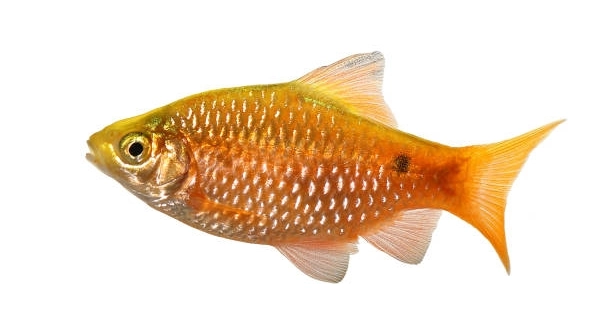
Rosy barbs are colorful and lively fish that many enjoy keeping in home aquariums. Their well-being is important to every fish owner who wants a healthy and happy tank environment. Recognizing signs of discomfort helps maintain their good health.
When a rosy barb is uncomfortable, it often shows through changes in behavior and appearance. Signs include erratic swimming, hiding frequently, loss of appetite, faded colors, clamped fins, gasping at the surface, and rubbing against objects. Identifying these signs early can prevent serious health issues.
Knowing these signals allows you to respond quickly and improve your rosy barb’s environment. Keeping a close eye on their behavior supports their comfort and longevity in your care.
Erratic Swimming Patterns
When a rosy barb feels uneasy, its swimming behavior often changes. Instead of smooth, confident movements, the fish may dart suddenly or swim in circles. This erratic swimming is a clear sign that something is wrong. It can be caused by stress, poor water conditions, or illness. You might also notice the fish staying near the surface or bottom of the tank instead of exploring the middle areas. Watching your rosy barb closely will help you catch these unusual movements early. Adjusting the tank environment or checking water quality can often help the fish return to normal behavior. If the erratic swimming continues, it might be a sign that medical attention is needed.
Erratic swimming signals discomfort and possible health issues. It’s important to act quickly when you see this behavior to protect your fish’s well-being.
Fish use swimming to communicate their health and mood. Sudden or irregular movements mean they may feel threatened or sick. Stress factors like temperature changes, overcrowding, or poor water quality often trigger this behavior. Keeping the tank clean and stable reduces stress. Providing hiding places and avoiding sudden disturbances helps your rosy barb feel safe. If erratic swimming persists, consider testing the water for ammonia, nitrites, and nitrates. These chemicals can harm fish and cause unusual behavior. In some cases, illness or parasites might be involved, requiring treatment. Observing swimming patterns regularly helps you maintain a healthy environment and catch problems before they worsen.
Hiding Frequently
Hiding often is a clear sign that a rosy barb feels uncomfortable. When healthy, these fish swim openly and interact with their surroundings. If your fish is spending too much time behind decorations or plants, it may be stressed or scared. This behavior can result from sudden changes in the tank, new tank mates, or poor water quality. Sometimes illness makes fish seek refuge. Frequent hiding reduces exercise and feeding, which can worsen health. Watching for this behavior helps you identify issues early and improve your fish’s environment.
Frequent hiding suggests your fish feels unsafe or unwell. Taking steps to reduce stress can help it feel more secure.
When a rosy barb hides, it tries to protect itself from perceived threats. Changes like loud noises, new fish, or strong lighting can cause this. Tank conditions such as high ammonia levels or incorrect temperature also lead to hiding. To help your fish, ensure the tank environment is calm and stable. Provide enough plants and hiding spots, but keep the tank balanced to avoid overcrowding. Regular water testing and partial water changes improve water quality and comfort. Monitor the fish’s behavior daily. If hiding continues or other signs appear, consult a specialist for advice or treatment options. Creating a peaceful habitat is key to encouraging your rosy barb to swim confidently again.
Loss of Appetite
A rosy barb losing interest in food is a strong sign of discomfort. It may stop eating completely or eat less than usual, which affects its health quickly.
Loss of appetite often occurs when the fish is stressed, sick, or living in poor water conditions. If your rosy barb suddenly refuses food, check the water temperature, cleanliness, and levels of ammonia or nitrites. Stress from overcrowding or aggressive tank mates can also cause this behavior. It’s important to address these factors early to prevent serious health decline. Sometimes, illness such as parasites or bacterial infections may be the cause, requiring proper treatment.
When fish eat less or stop eating, their immune system weakens, making recovery harder. Offering varied and high-quality food can encourage eating, but if appetite doesn’t improve, a vet or aquatic specialist’s advice may be needed. Keeping the tank clean and stable supports the fish’s overall well-being and helps restore normal feeding habits.
Faded Colors
Fading colors in rosy barbs are a common sign of stress or poor health. Vibrant colors usually indicate a healthy fish.
Color loss can result from poor water quality, stress, disease, or inadequate diet. When the tank environment changes suddenly or water parameters worsen, rosy barbs may lose their bright hues. Stressful conditions like overcrowding, aggressive tank mates, or sudden temperature shifts also affect their coloration. Nutritional deficiencies can play a role, too. Ensuring a balanced diet rich in vitamins and minerals helps maintain their natural colors. Regular water tests and proper filtration keep the tank healthy and reduce stress. If color loss continues alongside other symptoms like lethargy or clamped fins, it may indicate an illness requiring treatment.
Restoring vibrant colors involves improving the fish’s environment and nutrition. Patience and careful monitoring help your rosy barb regain its bright appearance and stay healthy longer.
Clamped Fins
Clamped fins happen when a rosy barb holds its fins tightly against its body. This usually shows discomfort or stress.
It can be caused by poor water quality, illness, or sudden changes in the tank. Observing clamped fins early helps prevent worsening health problems.
Gasping at the Surface
Gasping at the water surface is a sign that your rosy barb may be struggling to get enough oxygen. This behavior often points to low oxygen levels or poor water quality in the tank. Fish rely on oxygen dissolved in water, so if the oxygen drops, they will come up for air more often. It can also result from overstocking or inadequate filtration. Checking and improving aeration, performing water changes, and avoiding overcrowding can help your fish breathe easier. If gasping continues despite these steps, it may indicate illness that requires further care.
Rubbing Against Objects
Rubbing against tank decorations or gravel is a sign that a rosy barb might be irritated or uncomfortable. This behavior can indicate parasites or skin problems.
FAQ
How can I tell if my rosy barb is stressed?
Stress in rosy barbs shows through behaviors like clamped fins, erratic swimming, hiding, and loss of appetite. Their colors may also fade, and they might rub against objects in the tank. These signs indicate discomfort caused by poor water conditions, overcrowding, or illness. Monitoring their behavior daily helps catch stress early and improve their environment quickly.
What water conditions are best for rosy barbs?
Rosy barbs thrive in clean, well-oxygenated water with temperatures between 64°F and 72°F (18°C to 22°C). The pH should be neutral to slightly alkaline, around 7.0 to 8.0. Regular water testing for ammonia, nitrites, and nitrates is essential to keep levels safe. Partial water changes every week help maintain good water quality and reduce stress on the fish.
Why is my rosy barb hiding so much?
Frequent hiding usually means the fish feels threatened or stressed. New tank mates, sudden changes in water quality, or loud noises can cause this behavior. Hiding also occurs if the fish is sick or weak. Providing plenty of plants and decorations for cover, while ensuring stable water conditions, helps reduce hiding and encourages natural swimming.
What should I do if my rosy barb stops eating?
Loss of appetite can be a sign of illness, stress, or poor water quality. Check the tank parameters and make sure food is fresh and appropriate. Offering a variety of foods like flakes, pellets, and live or frozen options can help stimulate appetite. If the fish still refuses to eat after a couple of days, consult an aquatic specialist for further advice.
How can I prevent my rosy barb from getting sick?
Maintaining clean water, stable temperatures, and a balanced diet are key to preventing illness. Avoid overcrowding the tank and quarantine new fish before adding them. Regular tank maintenance, including filter cleaning and water changes, reduces the risk of disease. Watching your fish daily for early signs of trouble lets you act quickly.
Is it normal for rosy barbs to change color?
Rosy barbs’ colors can fade temporarily due to stress, illness, or poor water conditions. If color loss is sudden or persistent, it may signal a problem. Proper nutrition, stable water quality, and a peaceful environment help maintain their natural vibrant colors. If colors don’t return, a health check is advisable.
What causes a rosy barb to gasp at the surface?
Gasping happens when oxygen levels in the water are low. This can result from overstocking, poor filtration, or inadequate aeration. Regular water changes and adding an air stone or better filtration system increase oxygen levels. If gasping continues despite these measures, illness may be a factor.
Why is my rosy barb rubbing against objects?
Rubbing or scratching on tank decorations can indicate irritation from parasites, infections, or poor water quality. Inspect the fish for visible signs of disease like spots or wounds. Improving water conditions and consulting a vet or aquatic specialist for treatment can relieve this discomfort.
How many rosy barbs should I keep together?
Rosy barbs are schooling fish and feel safer in groups of at least five or six. Keeping fewer than this can cause stress and lead to discomfort or illness. A proper group size encourages natural behavior and reduces aggressive tendencies among tank mates.
Can sudden changes in the tank cause discomfort?
Yes, sudden changes in temperature, lighting, or water chemistry can stress rosy barbs. Gradual adjustments and stable tank conditions help prevent discomfort. Avoid rapid introduction of new fish or decorations, and monitor water parameters closely during any changes.
Final Thoughts
Taking care of rosy barbs means paying close attention to their behavior and environment. These fish show discomfort in many ways, such as hiding, clamped fins, or loss of appetite. When you notice these signs, it is important to check your tank conditions right away. Clean water, stable temperature, and enough space all play a big role in keeping your fish healthy and happy. Small changes can have a big impact on how your rosy barbs feel, so staying aware helps prevent problems before they get worse.
Water quality is one of the most important factors in your rosy barbs’ well-being. Regular water testing for ammonia, nitrites, and nitrates, along with weekly water changes, keeps their environment safe. It also helps reduce stress, which is often the root cause of many health issues. Make sure the water temperature stays within the right range and the pH level stays steady. Good filtration and aeration are also key to maintaining clean and oxygen-rich water. By keeping these conditions steady, you help your fish avoid discomfort and illness.
Finally, watching your rosy barbs closely every day helps you spot any problems early. Behaviors like gasping at the surface, rubbing against objects, or faded colors should never be ignored. Providing a balanced diet and enough hiding places can support their comfort and reduce stress. If you ever notice signs that worry you, don’t hesitate to seek advice from an aquatic specialist. Taking these steps ensures your rosy barbs stay healthy, active, and colorful for a long time. Consistent care and attention make all the difference in their life.

Hello,
If you enjoy the content that we create, please consider saying a "Thank You!" by leaving a tip.
Every little bit helps us continue crafting quality advice that supports the health, happiness, and well-being of pets around the world, for pets of all shapes, sizes, and species.
We really appreciate the kindness and support that you show us!