
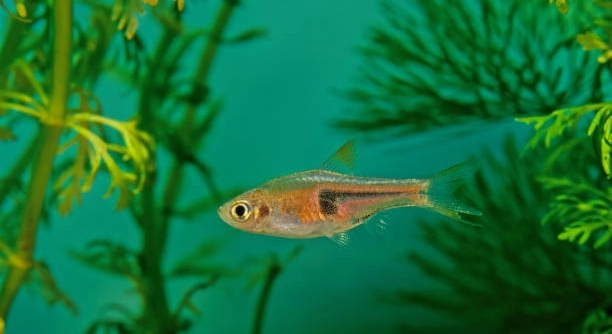
Have you ever found yourself watching your rasboras swim and wondering if they’re starting to bond with one another?
Rasboras begin to bond when they swim closely together in coordinated patterns, display peaceful behavior, and show reduced aggression. These social signals often indicate comfort, group cohesion, and the early stages of shoaling trust.
Noticing these signs can help you understand your fish better and support a healthy environment where their social behavior continues to grow naturally.
They Swim in Sync
When rasboras start bonding, one of the first things you’ll notice is synchronized swimming. They move in tight formations, often changing direction together without bumping into one another. This behavior shows that they’re beginning to feel safe around each other. It’s not something you’ll see in newly introduced rasboras right away, but it becomes more common as trust develops within the group. Synchronized swimming helps the school stay together, which reduces stress and creates a sense of safety in their environment. Over time, this natural coordination becomes a normal part of their daily activity, especially when the tank is quiet and calm. You might see them glide through plants or along the glass in perfect unison. Observing this can be a peaceful experience, as it signals that your rasboras are adjusting well and starting to connect. It’s a simple but clear sign that they are bonding.
They won’t always swim this way, but it becomes more frequent as they grow comfortable.
Bonded rasboras may still break formation occasionally, especially when startled or during feeding. However, a bonded group will quickly reform and continue swimming in sync. If this becomes regular behavior, it means they feel relaxed and secure in their space.
They Eat Peacefully Together
Peaceful feeding is another sign of bonding. If your rasboras no longer chase or push each other during feeding, they are starting to build trust.
When rasboras begin bonding, their behavior around food shifts noticeably. At first, new or stressed rasboras often dart quickly toward food, bumping into each other or acting territorial. As bonding takes place, feeding becomes calmer. You’ll see them share the space without competition. They may hover gently near one another, taking turns or feeding side by side without friction. This shows they’re becoming more comfortable with each other’s presence. It also means they don’t feel the need to compete for food, which is a positive sign in any community tank. Feeding time should feel smooth and controlled. You’ll likely notice less scattered swimming and more focus on the food itself. Over time, this peaceful behavior becomes the norm, helping to reduce overall tank stress. Watching your rasboras eat together peacefully is a clear and simple sign of social progress.
They Rest Near Each Other
Rasboras that are bonding will often rest in the same areas. You might see them hovering quietly near plants or decorations, close to one another, without signs of stress or aggression.
When rasboras feel secure, they stop hiding or swimming frantically and begin to rest calmly. Bonded rasboras will choose similar spots and stay there together for short periods. This quiet behavior, especially during dim lighting or after feeding, shows they’re becoming more relaxed in each other’s presence. You may notice them staying still under leaves, by rocks, or in shaded areas of the tank. These moments of stillness are important. They show that the rasboras no longer view each other as a threat. Sharing rest space without conflict is a strong sign that they’re learning to coexist peacefully, which is a key part of bonding.
They also tend to stay near one another during quiet hours. This closeness can appear subtle at first but becomes more noticeable over time. Bonded rasboras don’t need to be in constant motion to stay connected. Their ability to be still together reflects comfort and a shared sense of safety. It also helps lower overall stress in the group. This behavior supports better health and creates a stable, balanced tank environment.
They Copy Each Other’s Movements
Rasboras often mimic the behavior of those they trust. If one explores a new spot or starts feeding, others will follow shortly after. This is another sign they’re growing closer.
Copying behavior shows a level of social learning and trust. When one rasbora investigates something, the others feel safe enough to join in, instead of fleeing or hiding. This behavior includes exploring new areas of the tank, nibbling at new food, or swimming toward unfamiliar objects. Bonded rasboras feel more secure doing these things together, which makes them more willing to follow each other. It also reduces hesitation or fear when something in the tank changes. If one rasbora flares its fins gently or shows playful spins, others may mimic the same action soon after. This type of copying means the group is starting to act more like a unit, and less like a bunch of strangers sharing space.
They Show Less Aggression
Bonded rasboras show fewer signs of nipping or chasing. They begin to respect each other’s space more and avoid sudden, jerky movements that could cause tension or stress in the group.
Reduced aggression means your rasboras feel more secure. Instead of competing, they start to move as a calm, balanced group.
They Group More Tightly When Startled
When startled, bonded rasboras will quickly come together instead of scattering. This instinctive reaction helps protect the group and shows growing trust. In a bonded school, the fish rely on each other for a sense of safety. If a loud noise or sudden motion occurs, they’ll form a tight cluster near the bottom or in a hiding spot. This close grouping isn’t random — it’s a shared response built from comfort and familiarity. Over time, their reactions become more synchronized, showing that the rasboras trust each other’s signals. It’s a reliable and simple way to tell when bonding is strengthening.
They Explore New Spaces Together
Rasboras that are bonding will often explore tank areas together. Instead of one going off alone, a few will investigate spots as a group.
FAQ
How long does it take for rasboras to start bonding?
Rasboras can start bonding within a few days to a couple of weeks after being introduced into a stable tank. The timeline depends on their environment, group size, and stress levels. Clean water, consistent temperature, and a peaceful tank help them feel secure faster. If they were added all at once and the conditions are right, you may notice light bonding signs, like swimming together, within the first week. Full bonding behavior, like synchronized movements and peaceful feeding, usually becomes more consistent over time. Patience is key during this adjustment period.
What group size encourages bonding in rasboras?
A group of at least six rasboras is ideal for healthy bonding. These fish are naturally social and rely on group interaction to feel safe. Smaller numbers may cause stress or lead to more aggressive behavior, as they don’t feel protected. In larger groups, rasboras are more likely to display natural schooling and bonding behaviors. The more rasboras you keep (within your tank’s limits), the stronger their sense of safety and belonging. Always make sure the tank size supports the group without overcrowding, so they have space to swim together freely.
Can rasboras bond with other fish species?
Rasboras generally bond with their own kind. While they can live peacefully with other small, non-aggressive species, true bonding behaviors like shoaling, copying, and synchronized swimming are mostly seen with fellow rasboras. They may swim near other fish, but they rely on their group for social interaction. If you want to see strong bonding signs, it’s best to keep them in a group of their own species. That said, rasboras often do well in community tanks if their tank mates are calm and not overly active or territorial.
What should I avoid if I want my rasboras to bond well?
Avoid sudden changes in water parameters, frequent rearranging of tank decor, or housing them with aggressive species. These things can stress your rasboras and delay bonding. Also, avoid keeping them in small numbers or in tanks that are too bare. A plain tank with no plants or hiding spots can make them feel exposed and less likely to relax around one another. Keep lighting moderate, and avoid overfeeding, which can lead to water quality issues. Stability and consistency will help them build trust within the group.
Is it normal for rasboras to chase each other sometimes?
Yes, occasional chasing can still happen, even in bonded groups. It’s often a way to establish minor social order or happens during feeding excitement. If the chasing is short and no one is getting nipped or isolated, it’s not something to worry about. However, frequent or aggressive chasing can be a sign of stress, illness, or overcrowding. Observe how quickly they return to calm swimming and if they still stick together afterward. If they regroup and swim peacefully, it’s likely normal social behavior.
Do bonded rasboras still need hiding spaces?
Yes, even bonded rasboras benefit from having hiding spots. Plants, driftwood, and decorations help them feel secure, especially during rest or when startled. These features also support bonding by providing calm areas where the group can gather. Without hiding places, they may stay on edge and show less natural behavior. Even when they are close and bonded, having a few safe zones around the tank helps keep stress low. Try to include both open swimming areas and gentle cover in their setup.
Can rasboras un-bond if their environment changes?
Yes, environmental stress can affect how rasboras interact. If water quality drops, the tank becomes overcrowded, or aggressive tank mates are introduced, bonded rasboras may start acting differently. They might scatter more, stop swimming in sync, or show signs of stress. Bonding isn’t permanent if the conditions shift too much. That’s why keeping a stable and calm environment is important. If they stop showing bonding behavior, check water parameters and tank dynamics. Improving the setup can help them feel safe again and return to their usual patterns.
Final Thoughts
Rasboras are peaceful, social fish that do best when kept in groups. Watching them bond can be a rewarding experience. It gives you a chance to understand their behavior and see how they interact naturally. Signs like swimming in sync, resting near each other, and exploring the tank together all show that they are starting to feel safe and connected. These small signals can help you know your rasboras are adjusting well to their environment. While bonding takes time, it’s easy to spot once you know what to look for.
Creating a calm and stable tank is one of the best ways to support bonding. Clean water, a balanced diet, and soft lighting can all help your rasboras feel at ease. Avoiding sudden changes, overcrowding, or loud disturbances will keep their stress low. Adding plants, hiding spots, and gentle currents also encourages natural behavior. When rasboras feel safe, they are more likely to act as a group. Over time, you’ll notice more peaceful feeding, less chasing, and smoother movements in the tank. These signs are small but meaningful.
Understanding rasbora bonding helps you care for them better. It shows you when your setup is working and when it might need some small changes. If your rasboras are swimming closely, copying each other, and showing less aggression, then things are going well. Every tank is different, but the basics of bonding remain the same. Give them time, space, and consistency, and they’ll usually form strong group behavior on their own. Bonded rasboras are not just more fun to watch—they’re also healthier and more comfortable in their surroundings.

Hello,
If you enjoy the content that we create, please consider saying a "Thank You!" by leaving a tip.
Every little bit helps us continue crafting quality advice that supports the health, happiness, and well-being of pets around the world, for pets of all shapes, sizes, and species.
We really appreciate the kindness and support that you show us!