
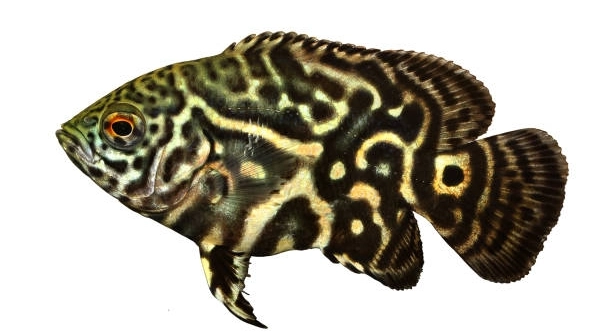
Oscar fish are fascinating creatures, but their health can sometimes be overlooked. As a pet owner, it is important to stay alert for signs that your Oscar may not be feeling well.
Common sickness signs in Oscars that owners often miss include changes in behavior, appetite loss, and unusual swimming patterns. These subtle signs can indicate underlying health issues, such as parasites, infections, or poor water quality.
Understanding these symptoms will help you take better care of your Oscar. By staying vigilant, you can address health concerns early and improve your fish’s quality of life.
Change in Behavior
Oscar fish are known for their active and curious nature, but when they become lethargic or less responsive, it’s a clear sign something is wrong. If your Oscar is hiding more than usual or staying at the bottom of the tank, it’s time to pay attention. These changes could indicate stress, poor water quality, or an internal infection. Oscars typically enjoy swimming around and interacting with their environment. A sudden shift to being more passive or solitary suggests they may be struggling with something affecting their health.
It’s essential to rule out environmental factors, such as water temperature or pH levels. Oscars are sensitive to changes in their habitat. Make sure the tank conditions are stable, as fluctuating parameters can stress them out.
If behavior changes persist, consider a checkup. A vet can confirm whether the issue is due to illness or stress. Prompt action can prevent the issue from worsening and help restore your Oscar to its usual self.
Loss of Appetite
A lack of interest in food is another red flag for Oscar owners. Oscars are typically quite greedy when it comes to eating, so if they suddenly refuse food, this could indicate an underlying problem.
Stress from water changes, tank mates, or overcrowding might reduce your fish’s appetite. If there are no changes in the environment, look for possible infections or digestive issues. Oscars are prone to internal parasites that can affect their ability to eat. Addressing these issues early can prevent serious health complications.
Overfeeding can also be a problem. Although Oscars enjoy their food, excessive amounts can cause them to lose interest or become ill. Try offering smaller, more frequent meals and monitor their eating habits. If the problem persists, a water test and a vet consultation are recommended.
Unusual Swimming Patterns
Oscars are usually confident swimmers, but if you notice them swimming erratically or staying in one spot, it’s time to investigate. Zig-zagging, swimming in circles, or rubbing against objects could indicate a skin issue or irritation.
These abnormal swimming patterns can also point to water quality problems, such as ammonia poisoning. Poor filtration or overfeeding can lead to high toxin levels in the tank. Ensure proper filtration, and perform regular water changes. Check water parameters like pH, nitrate, and ammonia levels to rule out contamination.
If swimming behavior doesn’t improve after water adjustments, it might be worth considering a vet check. Oscars are particularly vulnerable to parasites and infections that affect their movement. Early diagnosis and treatment will help your fish recover more quickly.
Discolored or Dull Skin
Oscars can develop faded or discolored skin when stressed or unwell. The bright, vibrant colors they’re known for may start to look dull or patchy if they’re experiencing illness.
Changes in coloration can also be due to skin infections, parasites, or poor water conditions. If you notice spots or lesions on their skin, it’s important to take action right away. Keeping the tank clean and monitoring for parasites is essential.
In some cases, Oscars will also show a loss of their vibrant colors when they’re stressed due to environmental changes. Water temperature, pH imbalances, or aggressive tank mates can trigger this response. Maintaining stable conditions in the tank is key to their health and well-being. If discolored skin persists, a visit to the vet is recommended.
Cloudy Eyes
Cloudy eyes are a sign that your Oscar may be dealing with a health issue. If their eyes become opaque or swollen, it could indicate an infection or poor water quality.
Bacterial infections, such as Popeye, can cause swelling and cloudiness in the eyes. It’s crucial to monitor their behavior for any signs of discomfort. If you notice these symptoms, begin by performing a water change and adjusting tank conditions.
If their eyes remain cloudy or worsen, consult a vet for further diagnosis. Eye issues can also signal internal health problems that need to be addressed promptly.
Rapid Breathing
Oscars that breathe quickly or gasp for air may be struggling with oxygen levels or an underlying health problem. Rapid breathing can occur due to poor water quality or gill infections.
Check the water temperature and oxygen levels to ensure they’re within the right range. Ensure your filter is working correctly, as inadequate filtration can cause toxin buildup. Poor water conditions make it hard for Oscars to breathe properly.
If the condition persists, a vet visit is necessary to rule out gill diseases or parasites. Addressing these issues early will help your Oscar recover faster.
Loss of Color in Fins
If the fins of your Oscar start to lose color or become ragged, it could be a sign of fin rot or another infection. This often occurs when the fish is stressed or the water quality isn’t ideal.
Fin rot happens when bacteria attack the fins, causing them to deteriorate. Oscars are especially prone to this when kept in tanks with inadequate filtration or when exposed to high levels of toxins. Regular water testing can help prevent this.
Maintaining optimal water conditions and removing any infected tank mates can aid in recovery. If the problem persists, consulting a vet can provide a proper treatment plan.
FAQ
What are the most common health issues in Oscars?
The most common health issues in Oscars include poor water quality, stress, skin infections, internal parasites, and bacterial infections. These conditions can often be traced back to improper tank maintenance or environmental stressors. Keeping the tank clean, maintaining stable water parameters, and avoiding overcrowding are the best ways to prevent health problems. Regular observation of your Oscar’s behavior and appearance is also key to identifying early signs of illness before they worsen.
How can I improve water quality for my Oscar?
Improving water quality starts with regular water changes. Aim to change 25-30% of the water weekly to keep toxins like ammonia, nitrites, and nitrates at safe levels. Use a good filtration system that’s appropriate for the tank size. Regularly test the water for pH, hardness, and temperature to ensure the levels are ideal for Oscars. It’s also important to clean the substrate and decorations to remove excess food and waste.
Is it safe to keep multiple Oscars together?
Keeping multiple Oscars together can be tricky due to their territorial nature. If you do decide to keep more than one, make sure the tank is large enough, ideally 75 gallons or more for each Oscar. Providing plenty of hiding spots and decorations can help reduce aggression. Keep an eye on their behavior to prevent fights, especially when they reach maturity. If aggression becomes an issue, separating them may be necessary to avoid injury.
How do I treat an Oscar with skin lesions?
Skin lesions in Oscars are often caused by infections, parasites, or injuries. Start by isolating the affected fish in a quarantine tank to prevent the spread of any disease. You can treat bacterial infections with antibiotics, while fungal infections may require antifungal treatments. Clean the main tank to ensure the water quality is optimal. If the lesions persist or worsen, consult a vet to get a proper diagnosis and treatment.
What should I do if my Oscar isn’t eating?
If your Oscar isn’t eating, first check the water quality, as poor water conditions can cause stress and loss of appetite. Try offering a variety of foods, such as pellets, live foods, and frozen options. If they still refuse food, it could be a sign of an internal infection, parasite, or stress-related issue. Reducing tank stress, ensuring they have a consistent food schedule, and consulting a vet if the problem continues are important steps to take.
Why is my Oscar swimming in circles?
Circling behavior in Oscars can be a sign of several issues, including water quality problems, stress, or neurological conditions. Poor water parameters, especially high ammonia or nitrate levels, can affect their behavior. Ensure the tank is well-maintained, and the water is properly filtered. If circling persists, consider a vet visit to rule out any internal issues or parasites affecting their nervous system.
How can I tell if my Oscar has parasites?
Oscars with parasites may display abnormal behavior such as rubbing against objects, erratic swimming, or changes in their appearance, such as fading color or lesions. Common parasites in Oscars include Ich, internal worms, and flukes. If you suspect your Oscar has parasites, it’s important to isolate them in a quarantine tank and begin treatment with appropriate medication. A vet can also help identify the specific parasite and recommend a proper treatment plan.
What temperature is best for my Oscar?
Oscars thrive in warm water, with the ideal temperature range being between 75-80°F (24-27°C). Temperatures that are too low or too high can stress your Oscar and make them more susceptible to illness. Use a reliable aquarium heater to maintain a consistent temperature. Avoid sudden fluctuations, as this can cause stress and impact your fish’s health.
Can Oscars live with other species of fish?
Oscars can be kept with other species, but they are often best suited for large, sturdy fish that can tolerate their aggressive behavior. Avoid keeping them with small or delicate fish, as Oscars may view them as food or harass them. Some good tank mates include larger catfish, cichlids, and other robust species. Make sure the tank is spacious enough to accommodate everyone and provide plenty of hiding places for smaller fish.
What is the best diet for an Oscar fish?
An Oscar’s diet should consist of a mix of high-quality pellets, live foods like worms or small fish, and frozen foods such as shrimp or krill. Oscars are omnivores, so they need a variety of proteins and nutrients in their diet. Feed them once or twice a day, offering only what they can eat in a few minutes to avoid overfeeding and water quality issues. Occasional treats such as vegetables can also be included in their diet.
Why is my Oscar’s color fading?
A fading color in Oscars can be caused by stress, poor water quality, or a health problem such as an infection or parasite. Environmental changes, such as a sudden drop in temperature or pH levels, can also cause Oscars to lose their vibrant colors. Check the water quality and temperature to ensure they are stable. If fading continues, it could indicate an internal problem that requires veterinary attention.
How do I prevent my Oscar from becoming stressed?
To prevent stress in your Oscar, maintain stable water conditions, avoid sudden changes in the tank, and provide plenty of hiding spots. Overcrowding can lead to aggression, so make sure your tank is large enough to comfortably accommodate your Oscar. Additionally, avoid loud noises and disruptions around the tank. Stress can lead to a weakened immune system and make Oscars more susceptible to illness.
Can Oscars live without a filter?
While it is possible for an Oscar to survive without a filter, it is not recommended. Oscars produce a lot of waste, and without proper filtration, the water quality can quickly deteriorate, leading to stress and illness. A high-quality filter is essential for maintaining clean water and ensuring a healthy environment for your Oscar. Regular water changes and monitoring water quality can help in the absence of a filter, but it is not an ideal long-term solution.
What should I do if my Oscar has swollen eyes?
Swollen eyes, also known as Popeye, are usually caused by a bacterial infection or poor water quality. If you notice your Oscar’s eyes are swollen or bulging, start by isolating the fish in a separate quarantine tank to prevent spreading any infection. Begin treatment with antibacterial medication, and perform a water change to improve water quality. If the condition doesn’t improve, consult a vet for further diagnosis and treatment.
Final Thoughts
Owning an Oscar fish requires attention to detail, especially when it comes to their health and well-being. Recognizing the signs of illness early can make a significant difference in the outcome. Monitoring their behavior, appearance, and the quality of their environment is essential. Regular water changes, proper filtration, and maintaining a stable tank environment will help keep your Oscar healthy and happy. Ensuring their diet is balanced with a mix of pellets, live, and frozen foods is another important factor.
Many health issues in Oscars can be avoided by taking simple precautions. Preventing stress, providing enough space, and offering plenty of hiding spots can minimize aggression and ensure a less stressful environment. Proper tank maintenance and observing your fish’s behavior regularly will help you detect any potential problems early on. A proactive approach to keeping your Oscar’s habitat clean and safe will reduce the likelihood of sickness and prevent more serious complications down the road.
In case your Oscar does get sick, acting quickly is key. Isolating the fish in a quarantine tank, adjusting the water quality, and administering the right treatment can often help them recover. However, some conditions may require professional help from a vet. Don’t hesitate to seek advice if the issue persists. Keeping an eye on their health and making sure they have the right conditions will lead to a long, healthy life for your Oscar.

Hello,
If you enjoy the content that we create, please consider saying a "Thank You!" by leaving a tip.
Every little bit helps us continue crafting quality advice that supports the health, happiness, and well-being of pets around the world, for pets of all shapes, sizes, and species.
We really appreciate the kindness and support that you show us!