
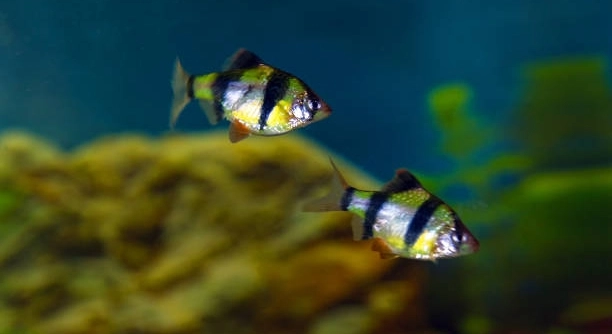
Keeping a tank exclusively for tiger barbs offers a unique opportunity to create an environment tailored specifically for their needs. These active and colorful fish require thoughtful setup to thrive and display their natural behaviors. Proper planning can make all the difference in their health and happiness.
Setting up a tiger barb-only tank involves selecting appropriate tank size, ensuring proper water parameters, incorporating suitable plants and decorations, and maintaining adequate filtration and aeration. Each element plays a critical role in mimicking their natural habitat and supporting their social dynamics.
Following these tips will help you create a balanced and comfortable home for your tiger barbs. The right setup supports their energy and keeps your aquarium looking vibrant.
Choosing the Right Tank Size
Tiger barbs are active swimmers and thrive best in spacious environments. A minimum of 20 gallons is recommended for a small school of six to eight fish. Larger tanks offer more stable water conditions and reduce aggression among them. Crowding can increase stress and lead to health problems. It’s important to allow enough swimming room and hiding spots.
A bigger tank also makes it easier to maintain water quality and temperature, which tiger barbs are sensitive to. Choosing the right size helps keep your fish healthy and reduces the frequency of tank cleanings.
When setting up the tank, consider its shape as well. Longer tanks provide more horizontal swimming space, which suits tiger barbs better than tall tanks. Adding plants and decorations creates territories and reduces aggression, but avoid overcrowding the tank. Keeping a good balance ensures the fish remain active, healthy, and comfortable in their environment.
Maintaining Water Quality
Regular water changes are essential for tiger barb tanks. Aim for changing 25% of the water weekly to keep nitrate levels low and prevent toxins from building up. Using a good water conditioner helps remove chlorine and chloramine from tap water, making it safe for fish.
Proper filtration is also important. Choose a filter that provides mechanical, biological, and chemical filtration. This supports the nitrogen cycle and keeps the water clean. Avoid strong currents since tiger barbs prefer moderate flow.
Maintaining stable water parameters like temperature (74-79°F), pH (6.5-7.0), and hardness is necessary for their wellbeing. Frequent testing with a water test kit allows you to catch any issues early. Clean the filter media carefully to preserve beneficial bacteria. Keeping these factors in check prevents stress and illness, ensuring your tiger barbs stay lively and healthy.
Proper Tank Decoration
Use smooth decorations to prevent injury. Avoid sharp objects that could harm your tiger barbs during their fast swimming and occasional chasing. Providing hiding spots with plants and caves helps reduce stress and aggression within the group.
Live plants such as Java fern, Anubias, and Amazon sword work well. These plants tolerate tiger barbs’ occasional nibbling and provide shelter. Floating plants can soften lighting and give the fish some cover. Arranging decorations to create open swimming areas alongside hiding places balances activity and security.
Keep decorations stable to avoid collapse during maintenance or fish activity. Regularly clean decorations without harsh chemicals to prevent algae buildup. Proper decoration supports a healthy environment and encourages natural behavior in your tiger barbs, improving their overall well-being.
Feeding and Nutrition
Feed tiger barbs a varied diet to meet their nutritional needs. High-quality flake or pellet food should be the base, supplemented with live or frozen foods like brine shrimp or bloodworms. This variety enhances color and vitality.
Avoid overfeeding by offering only what they can eat within two minutes, twice daily. Overfeeding leads to water quality problems and health issues. Feeding smaller amounts more frequently also mimics their natural foraging behavior, which keeps them active and engaged.
Ensure food sinks or floats depending on your tank setup, as tiger barbs often feed mid-water. Remove uneaten food promptly to prevent water contamination. A balanced diet combined with good feeding habits helps maintain their energy and longevity.
Schooling and Social Behavior
Tiger barbs are schooling fish and should be kept in groups of at least six to reduce aggression. Small groups can lead to bullying and stress.
A larger school encourages natural behavior and helps spread out any aggressive tendencies, keeping the tank peaceful.
Lighting and Temperature Control
Maintain moderate lighting to mimic their natural habitat. Too bright lighting can stress tiger barbs, while too dim may affect plant growth and fish activity. Keep the temperature steady between 74 and 79°F for optimal health.
Regular Tank Maintenance
Cleaning the tank regularly prevents buildup of harmful waste. Change water and vacuum the substrate to keep the environment healthy.
FAQ
How many tiger barbs should I keep in one tank?
Tiger barbs are schooling fish that need to be kept in groups of at least six. Smaller groups often lead to increased aggression and stress, as the fish may pick on each other. Keeping a larger school spreads out their energy and social interactions, reducing bullying and encouraging natural behavior.
What tank size is best for tiger barbs?
A minimum tank size of 20 gallons is recommended for six to eight tiger barbs. Larger tanks provide more swimming space and stable water conditions. The extra room reduces territorial disputes and helps maintain water quality, making it easier to care for your fish.
What temperature should I keep the tank at?
Tiger barbs thrive in temperatures between 74°F and 79°F. Maintaining a steady temperature in this range is important to avoid stress and health issues. Using a reliable heater and thermometer can help you keep the water stable.
Can tiger barbs live with other fish species?
Tiger barbs can be aggressive, especially toward slower or long-finned fish. They are best kept either in a species-only tank or with other fast, robust fish that can handle their activity level. Avoid peaceful or delicate species to prevent stress and injuries.
What should I feed tiger barbs?
A balanced diet for tiger barbs includes high-quality flakes or pellets as a staple, supplemented with live or frozen foods such as brine shrimp, bloodworms, or daphnia. This variety helps maintain their color and energy. Feed small amounts twice daily, only what they can eat within two minutes.
How often should I clean the tank?
Regular maintenance is essential. Change 25% of the water weekly and vacuum the substrate to remove waste. Clean the filter monthly but avoid replacing all filter media at once to preserve beneficial bacteria. Consistent cleaning keeps the water safe and your fish healthy.
Do tiger barbs need live plants in their tank?
Live plants are beneficial as they provide hiding spots and help improve water quality. Choose hardy plants like Java fern or Anubias, which tolerate tiger barbs’ occasional nibbling. Plants also create a more natural environment that reduces stress and aggression.
Why do tiger barbs nip at each other?
Nipping is a natural behavior, especially in small groups or crowded tanks. It helps establish social hierarchy but can become harmful if the group is too small or the tank is too small. Keeping enough fish and providing space reduces excessive aggression.
How do I prevent diseases in my tiger barb tank?
Maintain good water quality through regular water changes and proper filtration. Quarantine new fish before adding them to the tank to avoid introducing illnesses. Watch for signs like faded color, lethargy, or unusual spots, and treat promptly if needed.
Can tiger barbs jump out of the tank?
Yes, tiger barbs are known to jump, especially if stressed or startled. Use a tight-fitting lid to prevent escapes and reduce sudden changes in lighting or movement near the tank to keep them calm.
Setting up a tank specifically for tiger barbs requires careful attention to their needs. These fish are active, social, and sometimes aggressive, so creating a balanced environment is essential. Choosing the right tank size, maintaining stable water conditions, and providing enough space for swimming and hiding all contribute to their wellbeing. It’s important to remember that tiger barbs thrive best in groups, so keeping enough fish together helps reduce stress and aggression.
Water quality is another key factor to consider. Regular water changes, proper filtration, and monitoring temperature and pH levels will keep the tank healthy. Live plants and smooth decorations not only make the tank look nice but also create natural hiding spots and reduce tension among the fish. Feeding tiger barbs a varied diet ensures they get the nutrients needed to stay vibrant and energetic. Overfeeding should be avoided to keep the water clean and the fish healthy.
Overall, setting up a tiger barb-only tank takes some planning and regular care, but the results are rewarding. Watching these colorful and lively fish interact in a well-maintained tank can be very satisfying. With the right setup and routine, tiger barbs can live long, healthy lives. Taking the time to understand their specific requirements will make it easier to keep them thriving and happy in your aquarium.

Hello,
If you enjoy the content that we create, please consider saying a "Thank You!" by leaving a tip.
Every little bit helps us continue crafting quality advice that supports the health, happiness, and well-being of pets around the world, for pets of all shapes, sizes, and species.
We really appreciate the kindness and support that you show us!