
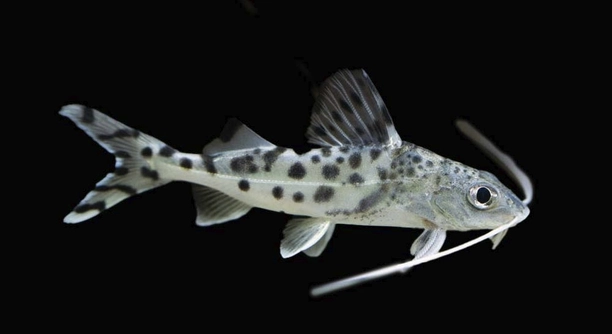
Setting up a community tank with Pictus catfish requires careful planning to create a balanced environment. These fish have specific needs that must be met for them to thrive alongside other species. Understanding their behavior and habitat is important for any aquarist.
Successful community tanks with Pictus depend on proper tank size, water parameters, hiding spots, and compatible tank mates. Ensuring clean water, balanced nutrition, and minimal stress promotes healthy growth and peaceful coexistence among all fish in the tank.
These tips will help you create a safe and comfortable home for your Pictus and their tank companions. Following them can lead to a thriving aquatic community everyone enjoys.
Choosing the Right Tank Size for Pictus
Pictus catfish are active swimmers and can grow up to six inches long. For a community tank, a minimum of 30 gallons is recommended to provide enough space for movement and territory. Crowded tanks can cause stress, leading to health problems and aggressive behavior. A larger tank also helps maintain stable water conditions, which is important for sensitive species like Pictus. When planning your setup, consider the total number of fish and their adult size. Adding plants, decorations, and hiding spots will take up space, so account for that when choosing your tank size. Remember, giving your fish enough room allows them to display natural behaviors, making the tank more enjoyable to observe.
A 30-gallon tank or larger creates a comfortable environment where Pictus can swim freely and interact peacefully with tank mates.
Creating a balanced environment starts with the right tank size. Along with sufficient space, proper filtration is necessary to keep water clean. A larger tank volume helps dilute waste, reducing the risk of toxic buildup. Regular maintenance becomes easier when the tank isn’t overcrowded. This setup reduces stress for your fish, helping them live longer and stay healthy.
Water Conditions and Maintenance
Pictus catfish prefer slightly acidic to neutral pH levels between 6.5 and 7.5, with temperatures ranging from 75 to 80°F. Stable water parameters are crucial for their health and well-being.
Maintaining water quality involves regular partial water changes, testing, and cleaning to remove excess waste and toxins. Overfeeding can also impact water quality, so feeding in moderation is key.
In addition to keeping the water clean, monitoring temperature and pH helps avoid stress. Using a reliable filter and performing weekly water changes of about 20 to 30 percent will keep the tank healthy. Test kits make it easy to track water chemistry and catch any issues early. Pictus thrive in clean, well-oxygenated water, so aeration can be helpful if needed. Consistent care creates a stable environment that supports their natural activity and reduces disease risk.
Tank Mates for Pictus
Choosing compatible tank mates is essential for a peaceful community tank. Avoid aggressive or very small fish that Pictus might stress or eat.
Ideal tank mates include peaceful species like tetras, gouramis, and larger rasboras. These fish share similar water requirements and temperaments. Avoid slow-moving or long-finned fish since Pictus are fast swimmers and may nip fins. Bottom dwellers such as Corydoras catfish can coexist well because they occupy different areas of the tank. Introducing tank mates gradually helps reduce territorial disputes. Observing their behavior during the first weeks is important to ensure harmony.
Selecting the right companions helps create a balanced ecosystem where all fish thrive without conflict. Keeping species with similar size and activity levels reduces stress and improves the overall health of the tank.
Providing Hiding Spots and Decorations
Pictus catfish feel more secure with plenty of hiding places. Driftwood, rocks, and plants create natural shelters that reduce stress. Decorations should allow open swimming space and refuge areas. Dense vegetation mimics their natural habitat and encourages natural behavior. Using smooth decorations prevents injury, as Pictus have delicate barbels. Rearranging the tank occasionally keeps the environment interesting and provides new hiding spots. Combining soft and hardscape elements promotes comfort and helps them feel safe.
Hiding spots also reduce aggressive interactions by giving fish places to retreat. Proper decoration balances aesthetics with functionality, improving fish well-being and tank appearance.
Feeding Your Pictus Catfish
Pictus catfish are omnivores that enjoy a varied diet. High-quality sinking pellets form the base of their nutrition. They also benefit from live or frozen foods like bloodworms, brine shrimp, and daphnia, which support their natural hunting instincts.
Feeding small amounts twice a day prevents overfeeding and helps maintain water quality. Uneaten food should be removed promptly to avoid waste buildup.
Lighting Considerations
Pictus catfish prefer dim to moderate lighting, similar to their natural shaded river habitats. Bright lights can cause stress and encourage hiding, reducing their activity.
Using floating plants or adjustable LED lights helps create a balanced light level. This setup enhances their comfort and natural behavior during the day.
Monitoring Health
Watch for signs of illness such as clamped fins, lethargy, or loss of appetite. Early detection helps address problems before they worsen. Quarantine new fish to prevent introducing diseases.
Regular observation supports timely care, keeping your Pictus and tank mates healthy and thriving.
How many Pictus catfish can I keep in a community tank?
A good rule of thumb is one Pictus catfish per 10 gallons of water. This spacing allows each fish enough room to swim and establish territory without overcrowding. Overcrowding can lead to stress and aggression. If you have a larger tank, you can keep more, but always consider the total bioload and tank mates.
What water temperature is best for Pictus catfish?
Pictus prefer temperatures between 75 and 80°F. Keeping the water stable in this range is important to avoid stress or illness. Sudden temperature changes can weaken their immune system, so use a reliable heater and thermometer to maintain consistency.
Are Pictus catfish aggressive?
Generally, Pictus catfish are peaceful but can be active and quick swimmers. They may chase smaller, slow-moving fish or nip fins if stressed or overcrowded. Selecting compatible tank mates and providing hiding spots reduces aggressive behavior.
What do Pictus catfish eat?
They are omnivores and do well on a diet of sinking pellets designed for catfish. Supplement their diet with live or frozen foods like bloodworms, brine shrimp, and daphnia. Occasional vegetable matter, like blanched zucchini or peas, can also be offered.
How often should I feed Pictus catfish?
Feed them small portions twice daily. Overfeeding can pollute the tank and harm water quality. Remove any uneaten food after a few minutes to prevent decay. Proper feeding supports their health and keeps the tank clean.
Can Pictus catfish live with other bottom dwellers?
Yes, they usually coexist well with bottom dwellers like Corydoras catfish and loaches. These species occupy different areas or feed differently, reducing competition. Ensure the tank is large enough to provide space for all bottom dwellers.
Do Pictus catfish need hiding spots?
Yes, hiding places like driftwood, rocks, and plants help reduce stress and make them feel secure. These spots allow them to rest and avoid aggressive tank mates. Changing decorations occasionally keeps their environment interesting and stimulating.
What water parameters are ideal for Pictus?
Maintain pH between 6.5 and 7.5 and moderate hardness. Stable water chemistry is important to avoid stress and disease. Regular water testing and partial water changes help maintain these conditions.
How long do Pictus catfish live?
With proper care, Pictus catfish can live 8 to 10 years. Good water quality, a balanced diet, and a peaceful tank environment contribute to their longevity.
Are Pictus catfish nocturnal?
They are mostly nocturnal but can be active during the day, especially in dim lighting. Providing shaded areas or floating plants helps mimic their natural habitat and encourages natural behavior.
What signs show a sick Pictus catfish?
Look for clamped fins, loss of appetite, sluggishness, and unusual spots or discoloration. Early treatment improves recovery chances. Quarantining new fish helps prevent disease spread.
How do I acclimate Pictus catfish to a new tank?
Float the bag in the tank for 15-20 minutes to equalize temperature. Slowly add small amounts of tank water to the bag over 30 minutes. This gradual process reduces stress and helps them adjust smoothly.
Can Pictus catfish jump out of tanks?
Yes, they are agile and can jump, especially if stressed or startled. Keeping a tight-fitting lid on the tank helps prevent escapes and protects them from injury.
Is it necessary to aerate a Pictus tank?
Good oxygen levels are important, especially in crowded or heavily planted tanks. Adding an air stone or increasing surface agitation helps maintain oxygenation and supports healthy fish.
How often should I clean a tank with Pictus catfish?
Perform weekly partial water changes of 20-30 percent to keep water quality high. Regular cleaning of the substrate and filter helps reduce waste buildup. Consistent maintenance prevents stress and disease.
Can Pictus catfish breed in a community tank?
Breeding is rare in community tanks because they need specific conditions and privacy. If breeding is a goal, separate tanks with controlled conditions are recommended.
What is the best substrate for a Pictus tank?
Fine sand or smooth gravel works well. Sharp or rough substrates can damage their delicate barbels, which they use to explore and find food.
How do I reduce stress in Pictus catfish?
Provide stable water conditions, sufficient space, hiding spots, and compatible tank mates. Avoid sudden changes in lighting, temperature, or tank setup to keep stress low.
Are Pictus catfish suitable for beginner aquarists?
They are moderately easy to care for but require attention to water quality and tank mates. Beginners willing to maintain consistent tank conditions will find them rewarding pets.
What should I do if my Pictus catfish refuses to eat?
Check water parameters and tank conditions first. Try offering live or frozen foods to stimulate appetite. If refusal continues, consider consulting a vet or experienced aquarist.
Setting up a community tank with Pictus catfish can be very rewarding when the right conditions are met. These fish are active and peaceful, but they need proper space, clean water, and compatible tank mates to thrive. Providing enough room helps reduce stress and encourages natural behavior. A tank that is too small or overcrowded can lead to health problems and aggression. Making sure water parameters like temperature, pH, and hardness are stable is also very important. Pictus catfish are sensitive to sudden changes, so maintaining consistency in their environment helps keep them healthy.
Feeding your Pictus catfish a varied diet is key to their well-being. They enjoy sinking pellets made for catfish and benefit from occasional live or frozen foods such as bloodworms and brine shrimp. Feeding them small amounts twice daily avoids overfeeding, which can pollute the tank. Along with food, providing plenty of hiding spots like driftwood and plants helps reduce stress. These hiding places allow the fish to rest and feel secure, which improves their overall comfort. Decorating the tank thoughtfully balances the need for open swimming space and places to retreat when needed.
Finally, regular maintenance and observation play an important role in a successful community tank. Weekly partial water changes and testing help maintain good water quality. Watching for any signs of illness early can prevent problems from becoming serious. Selecting peaceful tank mates that share similar water needs also supports a harmonious environment. When all these factors come together, your Pictus catfish and their tank companions can live longer and healthier lives. Careful planning and consistent effort lead to a tank that is both beautiful and balanced, making it enjoyable for both the fish and the owner.

Hello,
If you enjoy the content that we create, please consider saying a "Thank You!" by leaving a tip.
Every little bit helps us continue crafting quality advice that supports the health, happiness, and well-being of pets around the world, for pets of all shapes, sizes, and species.
We really appreciate the kindness and support that you show us!