
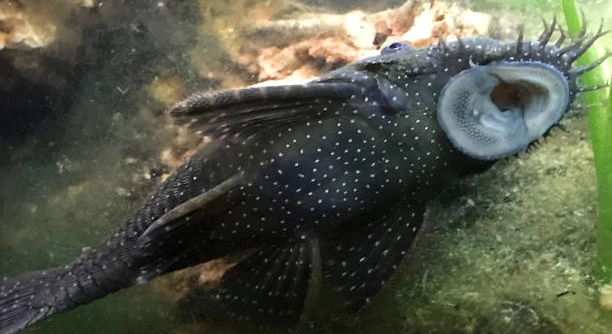
Moving a pleco to a new tank can be stressful for both you and your fish. Proper preparation and a calm environment can make all the difference in ensuring a smooth transition. These tips will help make the process easier.
The key to a no-stress pleco move lies in careful planning and maintaining stable water conditions. Ensure the new tank is set up properly with appropriate filtration, temperature, and water parameters before introducing your pleco to avoid unnecessary stress.
Creating the perfect environment for your pleco’s move is easier than it seems. Knowing the right steps will help your fish feel at ease and settle in quickly.
1. Preparing the New Tank Before the Move
Setting up the new tank ahead of time is crucial. Ensure the water temperature is stable and matches the one from the original tank. Plecos are sensitive to drastic temperature changes, which can lead to stress. Test the water parameters, such as pH, ammonia, and nitrate levels. It’s also important to have proper filtration in place to keep the water clean and oxygenated. Adding decorations like caves or plants can create hiding spots to make your pleco feel more secure. The tank should be cycled properly to avoid harmful bacteria that could harm your pleco.
Make sure all the equipment is in working order, including heaters and filters. You don’t want to discover problems after the pleco is moved.
When your pleco enters the new tank, you’ll want to avoid disturbing it too much. Keep the environment calm and quiet. Having the tank prepped and stable will give your pleco a smooth start in its new home.
2. Transporting Your Pleco Safely
Use a bucket or container with a lid to transport your pleco. Avoid using plastic bags as they can be unstable.
Carefully move your pleco from its old tank into the container, ensuring the water stays as close to its original tank’s conditions as possible. If your pleco is large, it’s important to handle it gently to avoid stress or injury. Use a net to scoop the pleco, being cautious not to touch its skin with your hands. This helps protect its slimy coating, which is important for its health.
After securing your pleco in the container, make sure the water level is sufficient to cover it comfortably. If the move is going to take longer than expected, you can add an air stone or portable pump to keep oxygen levels high. Keep the container in a calm environment during transport, away from loud noises or bright lights. Avoid overcrowding the container, as this can cause further stress.
3. Acclimating Your Pleco to the New Tank
Once your pleco is in the new tank, slowly introduce it to the new water conditions. Use the drip acclimation method to help your pleco adjust. This will reduce the shock of any differences in water chemistry between the old and new tanks.
Start by placing the container with your pleco in the new tank, letting it float for 15-20 minutes. This allows the water temperatures to equalize. After that, begin adding small amounts of tank water into the container gradually. This slow process ensures your pleco becomes accustomed to the new tank’s water parameters.
Once the water levels in the container have increased by about 25-30%, carefully release your pleco into the tank. This slow transition helps minimize stress and encourages a smoother adaptation to its new environment. After the release, keep an eye on your pleco for any signs of distress. Make sure to monitor the water conditions regularly to keep the tank stable.
4. Managing Tank Lighting During the Transition
Plecos are generally nocturnal and prefer lower light levels, so it’s best to reduce the lighting in the tank for the first few days.
Bright lighting can overwhelm them during the move and increase their stress levels. Keep the tank dim and quiet to help your pleco feel secure in its new surroundings. If you have a light cycle in place, consider shortening the hours of light for the first few days. This will help your pleco adjust without feeling too exposed.
During this time, avoid making sudden movements around the tank or tapping on the glass, as plecos can become easily startled. Let your pleco explore the new environment at its own pace. Ensure there are plenty of places to hide, such as caves or plants, where it can feel safe and rest.
5. Monitoring Water Quality After the Move
Keep a close eye on the water quality after the move. Regular testing of pH, ammonia, nitrites, and nitrates is crucial to prevent any sudden changes that could harm your pleco.
Changes in water parameters can stress your pleco out, so ensure everything remains stable. This includes maintaining the right temperature and checking for any signs of algae buildup.
By staying on top of water quality, you help keep the tank safe for your pleco. It’s important to be patient and proactive, as stability is key for a smooth transition.
6. Reducing Stress During the Adjustment Period
Plecos take time to adjust to new environments, so avoid frequent tank cleanings in the first few days.
Cleaning too soon can disturb your pleco and interfere with its adjustment process. Let your pleco settle in before making changes to its surroundings. Keep noise levels down and avoid tapping the tank.
7. Keeping an Eye on Your Pleco’s Behavior
After the move, watch your pleco closely for any changes in behavior. It may hide more than usual or be less active, which is normal as it adjusts.
However, if you notice signs like abnormal swimming patterns or loss of appetite, it could indicate stress. Keep monitoring the water quality and ensure there are no sudden changes. Over time, your pleco should become more comfortable in its new home.
FAQ
What should I do if my pleco is hiding after the move?
Hiding is normal for plecos during a move. They can feel stressed and need time to adjust. Ensure the tank has plenty of hiding spots, like caves or plants, where your pleco can feel secure. Don’t worry if your pleco spends the first few days hiding—it’s simply its way of coping. If it continues to hide for weeks, however, it may be a sign that the environment is not to its liking, and you may need to check the water quality or make adjustments to the tank setup.
How long should I wait before feeding my pleco after the move?
It’s a good idea to wait 24-48 hours before feeding your pleco after the move. This gives it time to adjust and settle into its new environment. During this time, avoid introducing any food, as your pleco might not be ready to eat right away. After this period, begin offering small amounts of food and observe its eating habits. If it refuses to eat for several days, ensure the water parameters are stable and check for stress signs.
Can I use any kind of food for my pleco after the move?
Plecos have specific dietary needs. While they are omnivores, the food you offer should be appropriate for their species. After moving, you can feed them algae wafers, sinking pellets, or blanched vegetables like zucchini or cucumber. Ensure the food is soft enough for easy consumption, especially if your pleco is adjusting to the new tank. Avoid overfeeding, as it can pollute the water and further stress your pleco.
Is it okay to clean the tank right after moving the pleco?
It’s best to avoid heavy tank cleaning right after moving your pleco. The new environment will already be stressful for your fish, and cleaning can disrupt the balance of the tank. Wait for at least a week before performing any significant cleaning. During this period, monitor the water quality and do small water changes if necessary. This gives your pleco time to adjust without additional disturbances.
What temperature should I maintain for my pleco after the move?
Plecos prefer stable temperatures in the range of 75°F to 80°F (24°C to 27°C). After the move, ensure that the new tank stays within this range. Sudden temperature changes can cause stress and affect your pleco’s health. Use a reliable aquarium heater to maintain consistent warmth and monitor the temperature regularly with a thermometer. This helps keep your pleco comfortable and reduces the risk of temperature shock.
How can I tell if my pleco is stressed after the move?
Signs of stress in plecos include abnormal swimming patterns, refusal to eat, hiding for extended periods, or rapid gill movement. If your pleco is swimming erratically or showing signs of labored breathing, this can indicate that it is stressed. Additionally, look out for changes in color or unusual behavior, such as rubbing against tank surfaces. If these signs persist, check the water quality and tank setup to make sure everything is in order.
Should I add any other fish to the tank right after the pleco move?
It’s best to wait before adding new fish to the tank after moving your pleco. Introduce your pleco to its new environment first and allow it to settle in before adding other fish. Adding new tank mates too soon can cause additional stress for the pleco and the new fish. Once the pleco is comfortable and the tank parameters are stable, you can gradually introduce other fish, but monitor their interactions carefully.
Can I move my pleco to a smaller tank after it’s settled in?
While plecos can live in smaller tanks, they generally prefer larger spaces. Moving your pleco to a smaller tank after it has settled can lead to stress. Plecos need room to roam and graze, and a smaller tank may limit their ability to explore. If you must downsize, make sure the new tank meets the appropriate size and water quality needs for your pleco’s size. Regular monitoring is crucial to ensure it remains healthy and stress-free.
How can I prevent my pleco from getting sick after the move?
To prevent sickness, ensure the tank is properly cycled before moving your pleco. Stable water conditions are essential. Regularly test the water parameters and perform small water changes to maintain cleanliness. Avoid overfeeding, as excess food can decompose and cause water quality issues. Keep an eye on your pleco for any signs of illness such as bloating, abnormal swimming, or changes in appetite. Providing a calm and stable environment will help reduce the risk of illness.
What if my pleco isn’t eating after the move?
If your pleco isn’t eating, the first step is to check the water quality. Poor water conditions are often the cause of appetite loss. Test for ammonia, nitrate, and nitrite levels, and adjust them as necessary. If the water quality is good, your pleco might still be adjusting to the new tank environment. Be patient and continue to offer a variety of foods. Sometimes, plecos may take a few days to settle and start eating again.
Is there a chance my pleco will adapt to its new home quickly?
Some plecos can adapt to their new environment quickly, especially if the water parameters are stable and there are plenty of hiding spots. However, other plecos may take longer to adjust and will need time to feel secure. The key is to give them time, reduce stress, and keep the environment as stable as possible. The more you can mimic the conditions of the original tank, the quicker your pleco may adapt. Patience is key.
Final Thoughts
Moving a pleco to a new tank may seem like a stressful task, but with the right preparation, the transition can be smooth for both you and your fish. Taking the time to set up the new tank properly is essential. Ensure that the water conditions, temperature, and filtration system are in good shape before moving your pleco. A stable environment helps to reduce the stress your pleco might experience and supports its health as it adjusts. The more you prepare the new home, the easier the move will be for your pleco.
While plecos are hardy fish, they can be sensitive to changes in their environment. The process of acclimating them to a new tank can take time. It’s important to be patient and allow them to adjust at their own pace. During this period, monitoring the water quality is crucial. Poor water conditions can cause stress and even lead to illness, so regular testing and small water changes can make a significant difference. Avoid overcrowding the tank and keep the tank environment calm, giving your pleco the space it needs to feel secure.
After the move, keep an eye on your pleco’s behavior. It might hide for a few days or be less active, which is completely normal. However, if your pleco shows signs of prolonged stress or illness, it’s important to check the water conditions again. If necessary, make adjustments to ensure that your pleco remains comfortable and healthy in its new home. With proper care and patience, your pleco will settle in and thrive in its new tank.

Hello,
If you enjoy the content that we create, please consider saying a "Thank You!" by leaving a tip.
Every little bit helps us continue crafting quality advice that supports the health, happiness, and well-being of pets around the world, for pets of all shapes, sizes, and species.
We really appreciate the kindness and support that you show us!