
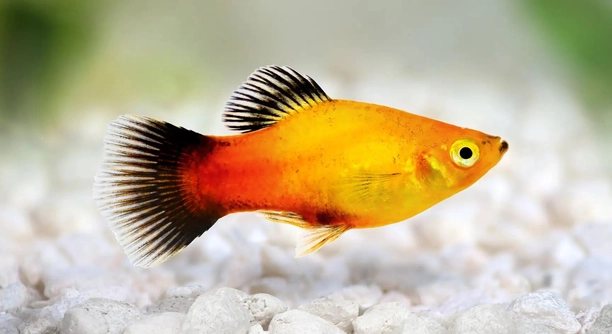
Setting up an aquarium for platy fish can be rewarding but sometimes challenging. Many breeders face small yet frustrating problems that affect their fish’s health and breeding success. Understanding common mistakes helps improve their setup and care routine.
Common setup mistakes that frustrate platy breeders include improper tank size, incorrect water parameters, poor filtration, inadequate plants or hiding spots, overfeeding, insufficient lighting, and neglecting regular maintenance. These factors directly impact platy health and breeding outcomes.
Recognizing these issues early can save breeders time and stress, creating a healthier environment for their platys to thrive and reproduce.
Improper Tank Size
Many platy breeders don’t realize how important tank size is for successful breeding. Platys need enough space to swim freely and establish territories, especially when breeding. A small tank can stress the fish, leading to weaker health and fewer fry. Ideally, a 20-gallon tank or larger works well for a small group of platys. Overcrowding can cause aggression and poor water quality, both harmful to breeding success. The tank should also have a secure lid since platys are known jumpers. Starting with an appropriate tank size helps reduce many common problems breeders face. Setting up with enough space creates a balanced environment where platys feel safe, which encourages natural behaviors and increases fry survival rates.
Too small tanks often lead to stressed fish and reduced breeding success. Larger tanks provide stability in water conditions and reduce territorial conflicts.
A properly sized tank offers better oxygen circulation and reduces waste buildup. This stability improves the fish’s immune system and supports healthier fry development. If space is limited, fewer platys should be kept to maintain balance. A larger tank is always easier to manage for breeding, giving the fish room to grow and interact naturally.
Incorrect Water Parameters
Maintaining the right water conditions is essential for platy breeding success. Platys prefer slightly alkaline water with a pH between 7.0 and 8.2, and a temperature range of 72–78°F (22–26°C). Water that is too acidic or too cold can slow breeding or harm fry development.
Water hardness also plays a role, with moderate hardness being ideal. Regular testing is important to catch any changes early. Sudden shifts in water chemistry can stress platys and reduce their willingness to breed. Stability in water parameters is more important than hitting exact numbers. Using a quality water conditioner and doing partial water changes weekly can help keep water safe and consistent for breeding.
Poor Filtration
Good filtration keeps the water clean and oxygen-rich, which is vital for platy health. Without proper filtration, waste builds up quickly, causing stress and disease.
A filter suitable for the tank size is necessary. It should provide gentle water flow because strong currents can tire platys and disturb breeding behavior. Mechanical, biological, and chemical filtration all work together to maintain a healthy environment. Regular cleaning and maintenance of the filter prevent clogging and ensure consistent water quality. Filters also help keep ammonia and nitrate levels low, protecting sensitive fry.
A clean tank with stable water parameters reduces stress on platys, encouraging better breeding. When filtration fails, water quality drops, which can cause illness and lower fry survival rates. Proper filtration is a key factor in a successful breeding setup and should never be overlooked.
Inadequate Plants and Hiding Spots
Platys need plants and hiding spots for comfort and security during breeding. Dense plants help females escape aggressive males and protect fry from being eaten.
Live plants also improve water quality by absorbing nitrates and providing oxygen. Common choices include Java moss, hornwort, and floating plants. These create natural shelter and encourage natural breeding behavior. Artificial plants can help but usually don’t offer the same benefits as live ones. Hiding spots reduce stress and provide safe places for fry to hide during their early stages.
Providing varied and plentiful hiding spots supports healthier platys and increases fry survival. Without enough cover, fish may become stressed, less active, and less likely to breed. Thoughtful decoration of the tank helps create a balanced, natural environment that supports the breeding process.
Overfeeding
Overfeeding is a common mistake that leads to poor water quality and stressed platys. Excess food decays, increasing toxins and causing algae growth.
Feeding small amounts once or twice a day is enough. Platys should consume all food within a few minutes to avoid leftovers.
Insufficient Lighting
Proper lighting helps maintain a natural day-night cycle for platys. Too little light can reduce activity, while too much causes stress and algae problems.
A balanced light schedule, around 8 to 10 hours daily, supports fish health and plant growth. Avoid placing the tank in direct sunlight to prevent temperature spikes and excessive algae.
Neglecting Maintenance
Skipping regular tank cleaning harms water quality. Waste and debris build up quickly, stressing fish and increasing disease risk.
Routine maintenance includes partial water changes, substrate vacuuming, and filter checks. These steps keep the environment stable and healthy for breeding platys.
FAQ
What is the ideal tank size for breeding platies?
A tank of at least 20 gallons is recommended for breeding platies. This size provides enough space for swimming, hiding, and reduces territorial stress. Smaller tanks often cause overcrowding, which leads to poor water quality and aggressive behavior. More space means healthier fish and better chances for fry survival.
How often should I test my water parameters?
Water testing should be done weekly, especially during breeding periods. Regular checks for pH, ammonia, nitrite, nitrate, and hardness help catch problems early. Stable water conditions reduce stress and promote healthy breeding.
Can I use artificial plants instead of live ones?
Artificial plants can provide hiding spots but don’t improve water quality like live plants. Live plants absorb nitrates, add oxygen, and create a more natural environment. If live plants aren’t an option, use many artificial ones to give plenty of cover.
How much should I feed my platies?
Feed small amounts once or twice daily. Only provide what they can eat in about 2–3 minutes. Overfeeding leads to leftover food, which pollutes the water and causes health problems. A varied diet with flakes, pellets, and occasional live or frozen food supports good nutrition.
What type of filtration is best for breeding tanks?
A filter that provides mechanical, biological, and chemical filtration is ideal. It should fit the tank size and produce gentle water flow. Strong currents stress platys and can disturb fry. Sponge filters are a good choice because they clean water gently and are safe for fry.
How often should I do water changes?
Perform partial water changes of 20-30% weekly. This helps remove toxins and keeps water parameters stable. Avoid changing too much water at once, as sudden changes can stress fish. Use treated, temperature-matched water to avoid shock.
Why are my platys not breeding despite proper setup?
Stress, poor water quality, or improper diet can stop breeding. Also, platys may need time to adjust to new environments. Check water parameters, feeding habits, and ensure hiding spots are available. Sometimes, introducing more females than males reduces aggression and encourages breeding.
How can I protect fry from being eaten?
Dense plants and hiding spots give fry places to escape. You can also use breeding boxes or separate fry tanks to keep them safe. Regularly monitoring the tank helps identify threats early and improves fry survival rates.
Is lighting important for breeding platies?
Yes, balanced lighting supports natural behavior and plant growth. About 8-10 hours of light per day is ideal. Too much light can cause algae, and too little can reduce fish activity. Avoid direct sunlight to prevent temperature fluctuations.
Can I breed platys with other fish species?
Mixing species can be risky because some fish may prey on fry or cause stress. If kept with peaceful species that won’t harm the fry, it’s possible. However, dedicated breeding tanks increase success and protect young fish.
Final Thoughts
Setting up the right environment is the key to successful platy breeding. Avoiding common mistakes like using a tank that is too small, ignoring water parameters, or overfeeding can make a big difference in the health and happiness of your fish. Platys are hardy fish, but they still need stable conditions and proper care to thrive and reproduce. Taking time to prepare the tank properly will save you frustration later and increase your chances of seeing healthy fry grow.
Consistency is very important when caring for platies. Regular water testing, partial water changes, and filter maintenance help keep the tank clean and stable. Sudden changes in water quality or temperature can stress fish, leading to illness or poor breeding results. Providing plenty of plants and hiding spots not only creates a more natural environment but also gives fry safe spaces to hide. These simple steps support the natural behaviors of platys and improve overall breeding success.
Remember, patience is part of the process. Breeding platys takes time and attention, especially when you are learning what works best for your specific setup. Problems like stressed fish or low fry survival often happen, but by addressing the common setup mistakes, you can improve conditions for your platys. Over time, you will gain experience and confidence, making breeding easier and more rewarding. Keeping the environment stable and the fish comfortable is the best way to support healthy platys and successful breeding.

Hello,
If you enjoy the content that we create, please consider saying a "Thank You!" by leaving a tip.
Every little bit helps us continue crafting quality advice that supports the health, happiness, and well-being of pets around the world, for pets of all shapes, sizes, and species.
We really appreciate the kindness and support that you show us!