
Paragraph 1:
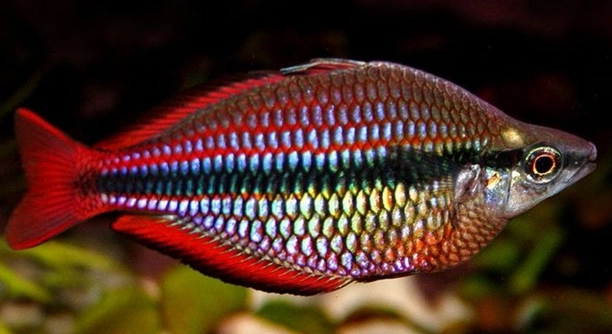
If you have a passion for colorful fish and dream of a vibrant school swimming gracefully together, you’re not alone. Creating the perfect environment for your rainbow fish requires a few simple but essential tips.
Paragraph 2:
To create a colorful and harmonious rainbow fish school, maintaining proper water conditions, providing a varied diet, ensuring suitable tank mates, and regularly cleaning the aquarium are key factors. Proper tank setup and routine care are essential for vibrant fish health.
Paragraph 3:
By understanding the proper steps to take, you’ll be on your way to a healthy, lively fish community. Let’s uncover the simple changes you can make for a bright and beautiful rainbow fish school.
Creating the Right Environment for Your Fish
The first step to a vibrant rainbow fish school is setting up the right environment. Fish need a clean, well-maintained tank with a stable water temperature. Rainbow fish thrive in aquariums that mimic their natural habitat—plenty of space and hiding spots. Plants, rocks, and driftwood can make a big difference in giving your fish both a place to explore and somewhere to feel safe. Water quality is important, so it’s crucial to regularly check the pH, hardness, and temperature. A filter helps maintain the water and reduces waste build-up.
A consistent water temperature of around 72°F to 79°F (22°C to 26°C) is ideal for rainbow fish. Using a heater with a reliable thermometer will help you keep the water stable. Make sure to cycle the tank properly before adding fish to prevent stress from harmful chemicals in the water.
Once your tank is properly set up, you’ll notice how much more active and colorful your rainbow fish become.
The Importance of a Balanced Diet
A well-balanced diet helps keep your rainbow fish healthy and colorful.
These fish enjoy a variety of foods, from flake food to live or frozen options like brine shrimp and bloodworms. Offering a mix ensures they get all the nutrients they need. Keep feeding times consistent but not excessive. Overfeeding can lead to poor water quality, which in turn stresses your fish. A proper diet helps maintain their vibrant colors and overall health. Fish will be more active and lively when they receive the right food.
Adding some vegetable-based foods, like spirulina, can also improve the colors of your rainbow fish. They thrive on a varied diet, and making sure they get the nutrients they need will ensure a happy, healthy school.
Choosing the Right Tank Mates
Choosing compatible tank mates is crucial for a thriving rainbow fish school. Avoid aggressive fish that may stress out or harm your rainbow fish. Smaller, peaceful species make good companions.
Rainbow fish generally do well with other peaceful species, such as tetras, catfish, or livebearers. However, be mindful of their size and temperament. It’s important to avoid overcrowding the tank. Providing enough space helps reduce competition for resources. This also keeps stress levels low, which helps your fish stay healthy and colorful.
Some species of rainbow fish, like the Boesemani rainbow, are more territorial, so be mindful of their behavior. In general, they do best in schools of their own kind. Make sure that the fish you add to the tank share similar water and temperature preferences to create a more balanced and peaceful environment.
Regular Tank Maintenance
Keeping up with regular tank maintenance ensures a healthy environment for your rainbow fish. Clean the tank at least once a week, performing water changes of 25-30%.
A good filter will help, but it’s important to vacuum the substrate regularly to remove debris. Clean any decorations or plants to prevent algae buildup. Check for any dead plants or uneaten food, as they can affect water quality.
In addition, testing water parameters weekly helps you keep track of any changes. This includes checking pH, ammonia, nitrites, and nitrates to ensure they stay within safe ranges. Poor water quality is a major cause of stress for your fish and can lead to health issues.
Keeping your tank clean and well-maintained will promote the best conditions for your rainbow fish and ensure they stay bright and active.
Proper Lighting for Vibrancy
Rainbow fish thrive in aquariums with proper lighting. The right light helps highlight their natural colors. A consistent light cycle mimics their natural environment, helping them feel more secure.
Keep your aquarium light on for about 10-12 hours a day. This helps maintain a healthy balance between day and night for your fish. Too much light can encourage algae growth, so be mindful of the duration. Using a light with a natural spectrum will enhance the colors of your rainbow fish and create a more visually appealing tank.
Water Temperature Control
Maintaining a consistent water temperature is essential for rainbow fish health. A stable temperature between 72°F and 79°F keeps them active and vibrant.
Use a heater to ensure the water stays within this range. Inconsistent temperatures can cause stress and weaken the fish’s immune system, leading to health problems. Always monitor the temperature with a thermometer, especially when the room temperature fluctuates.
Tank Size and Space
A larger tank provides ample space for rainbow fish to swim freely and maintain healthy behavior. The minimum recommended size for a school of rainbow fish is 30 gallons.
A spacious tank reduces stress and allows for a natural swimming environment. The more room your fish have, the more vibrant and active they will be. Ensure your tank has enough space for swimming and proper water circulation to maintain health and harmony.
FAQ
How many rainbow fish should I keep in one tank?
Rainbow fish are social creatures and thrive in schools. It’s best to keep at least six rainbow fish together to ensure they feel comfortable and safe. A small group can cause stress, which impacts their health and coloration. If possible, aim for a larger school, as they are more active and vibrant when they can interact with one another.
Can I mix different types of rainbow fish in the same tank?
Yes, different types of rainbow fish can coexist peacefully in the same tank, as long as their size and water requirements are similar. Species like the Boesemani rainbow, the Threadfin rainbow, and the Australian rainbow fish can make a beautiful and colorful school together. Just make sure the tank is large enough to accommodate all the fish comfortably, as overcrowding can lead to aggression or stress.
Do rainbow fish need live plants in their tank?
Live plants are not strictly necessary but can greatly enhance the environment for rainbow fish. Plants offer hiding spots, which help reduce stress, and also help maintain water quality by absorbing excess nutrients. Additionally, plants create a more natural look that can bring out the bright colors of your rainbow fish. If you prefer artificial plants, make sure they don’t have sharp edges that can harm your fish.
How often should I feed my rainbow fish?
Rainbow fish should be fed 2-3 times a day. Offer them small amounts of food each time to avoid overfeeding, which can pollute the water. A varied diet, including high-quality flakes, frozen foods, and occasional live foods like brine shrimp, will keep them healthy and colorful. It’s important to only feed them as much as they can eat within 2-3 minutes. Uneaten food can affect water quality and lead to health issues.
What should I do if my rainbow fish isn’t eating?
If your rainbow fish isn’t eating, it could be a sign of stress or illness. Check the water quality to ensure it is within the appropriate parameters. Poor water quality is often the cause of a loss of appetite. If the water is fine and the fish is still not eating, look for other signs of illness, such as faded colors or unusual behavior. You may need to separate the affected fish from the rest and consult with an aquarium specialist or vet if the problem persists.
How can I improve the colors of my rainbow fish?
The most effective way to enhance the colors of your rainbow fish is by maintaining optimal water conditions and feeding them a balanced diet. Adding color-enhancing foods, such as spirulina, can bring out brighter hues. Providing a well-lit environment also helps. A tank with proper lighting, clean water, and a peaceful atmosphere will ensure your rainbow fish remain vibrant and healthy.
Are rainbow fish hardy?
Yes, rainbow fish are generally hardy and adaptable to different water conditions, which makes them suitable for beginner aquarists. However, they still require stable and clean water conditions. Regular maintenance, such as water changes and checking water parameters, is necessary to keep your fish healthy. If stressed or exposed to poor water quality for too long, they can become susceptible to disease, so proper care is essential.
Can I add rainbow fish to a community tank?
Rainbow fish are peaceful and get along well with other community fish, as long as the tank mates are not aggressive. They do well with species like tetras, guppies, and catfish. Ensure that your tank has plenty of space to avoid overcrowding, as this can lead to stress and aggression. Always check the specific needs of your other tank inhabitants to make sure they are compatible.
What type of filter is best for a rainbow fish tank?
A reliable filter is essential for keeping the water clean and maintaining healthy conditions. Rainbow fish prefer moderate water flow, so choose a filter that offers sufficient filtration without causing strong currents. Canister filters or hang-on-back (HOB) filters are often recommended. Make sure to clean the filter regularly to prevent clogging and ensure proper water circulation.
Do rainbow fish need a special kind of substrate?
Rainbow fish do not require a special substrate, but a soft, fine substrate like sand or small gravel is ideal for preventing injury to their delicate fins. This is especially important if you plan to keep bottom-dwelling species like catfish alongside your rainbow fish. Avoid sharp or rough gravel, as it can harm your fish. If you add live plants, the substrate should also be nutrient-rich to support plant growth.
Why are my rainbow fish losing color?
Rainbow fish may lose their vibrant colors due to stress, poor water quality, or illness. Stress from overcrowding, aggressive tank mates, or fluctuating water conditions can cause your fish to fade. A drop in water temperature or changes in water chemistry can also affect their coloration. Make sure your tank is properly maintained, and monitor your fish for any signs of illness. If their colors do not improve, seek professional advice.
Final Thoughts
Taking care of a rainbow fish school can be an enjoyable and rewarding experience. With the right environment, diet, and care, you’ll see your fish grow vibrant and active. By ensuring that your tank has the right water conditions, enough space, and suitable tank mates, your rainbow fish can thrive. A proper setup, regular maintenance, and a peaceful atmosphere are the main factors in keeping your fish healthy. Consistency in these areas will make a big difference in the health and appearance of your fish.
Maintaining a colorful rainbow fish school is not difficult, but it does require attention to detail. Regularly check water parameters, keep up with tank cleaning, and feed your fish a variety of foods. The goal is to create an environment where your fish feel comfortable and safe. A good tank setup and consistent care will reward you with a stunning school of vibrant rainbow fish swimming happily together. It’s the simple things, like proper lighting and avoiding overcrowding, that will make a noticeable difference.
In the end, caring for rainbow fish is about more than just providing a space for them to swim. It’s about creating a balanced environment where they can flourish. Whether you’re new to keeping fish or have experience, the joy of watching a school of rainbow fish move through a well-maintained tank is always worth the effort. With a little dedication, you’ll enjoy their beautiful colors and lively personalities for years to come.

Hello,
If you enjoy the content that we create, please consider saying a "Thank You!" by leaving a tip.
Every little bit helps us continue crafting quality advice that supports the health, happiness, and well-being of pets around the world, for pets of all shapes, sizes, and species.
We really appreciate the kindness and support that you show us!