
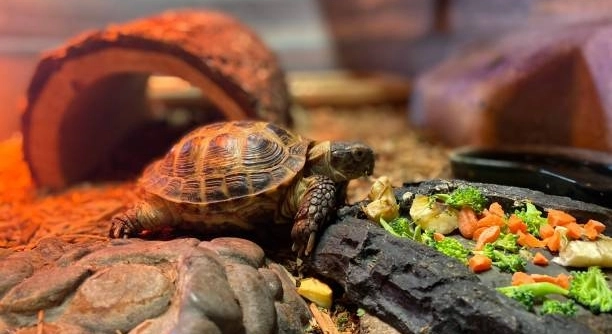
Moving wild box turtles can be a tricky task. It requires careful attention to their safety and well-being. Whether you’re relocating them across your yard or further distances, knowing the right steps is essential.
To safely relocate wild box turtles, ensure they are transported in a secure container with appropriate ventilation. Keep them in a calm, quiet environment, away from heat and humidity extremes. Minimize handling to reduce stress and risk of injury.
By following a few easy steps, you can help ensure a smooth move for the turtles. Proper transportation techniques are key to minimizing stress during their relocation. Let’s explore some helpful tips to make this process safer.
Choose the Right Container for Safe Transport
When relocating a wild box turtle, choosing the right container is crucial. You want something secure but not too tight. A small, ventilated box or plastic container with a secure lid is a good option. The turtle needs space to move around without being at risk of escaping or being harmed. Avoid using containers with sharp edges or anything that could cause injury.
The container should be just big enough to allow the turtle to comfortably fit, but not so large that it can shift around too much.
Before you place the turtle inside, line the bottom of the container with soft bedding, such as damp paper towels or leaves. This provides some cushioning and keeps the turtle comfortable. Be sure to leave plenty of air holes in the container to prevent overheating and ensure the turtle can breathe easily during transport.
Avoid Excessive Handling
Handling the turtle too much during its move can stress it out. Instead, handle the box turtle as little as possible. Keep its interactions minimal to avoid causing unnecessary anxiety. Allow it to adjust to its new environment once it’s transported.
By limiting physical contact, you’ll reduce the chance of injury. Box turtles are already naturally skittish and prone to stress, so being gentle and respectful of their space will go a long way.
Keep the Turtle Cool and Calm
Temperature is a significant factor in turtle relocation. Ensure the container is kept cool and out of direct sunlight. Box turtles are sensitive to heat, and being too warm can cause them stress or even harm. If it’s a hot day, you might need to take extra steps, like placing ice packs outside the container (not directly inside) to maintain a safe temperature.
Turtles do best in temperatures that aren’t too extreme. If you’re moving them in summer, it’s important to monitor the heat closely. Even in cooler months, avoid sudden shifts from a warm to cold environment as it can cause health issues. If moving a turtle across a long distance, plan for breaks, especially if you’re traveling by car, to keep the temperature steady.
Turtles are not fast movers, so it’s important to keep a close eye on the environment during transport. Consider moving them during cooler times of day, such as early morning or late evening, to reduce heat exposure. A stable, calm environment will help ensure the turtle remains safe throughout its move.
Provide a Safe Destination
Once you arrive at the new location, it’s essential to create a secure and familiar environment for the turtle. Release it in an area that mirrors its natural habitat. Look for places with plenty of cover, like low shrubs, fallen leaves, or patches of grass. This will help the turtle feel safe and reduce stress.
Before releasing the turtle, make sure the area is free from dangers like predators or traffic. Box turtles prefer habitats with a mix of sun and shade, along with access to water and plenty of hiding spots. It’s important not to move them too far from their original home, as turtles tend to stay close to familiar areas and may struggle to adapt if moved too far. By placing the turtle in an area similar to where it was found, you’re giving it the best chance for a smooth transition.
Avoid Stressful Situations
Keep the turtle in a quiet, calm place during transport. Loud noises, sudden movements, and busy environments can overwhelm it. You want to create a peaceful atmosphere for the turtle so it doesn’t experience unnecessary stress. Handling the turtle as little as possible also reduces stress.
If you need to transport the turtle in a vehicle, keep the ride smooth. Bumpy roads and loud sounds can frighten the turtle and cause harm. It’s a good idea to cover the container with a cloth to block out any sudden light changes, making the environment less stressful.
Minimize Exposure to the Elements
When moving box turtles, it’s important to shield them from harsh elements like wind and rain. While the container should have ventilation, it should also be kept sheltered. Excessive exposure to cold or wet conditions can lower the turtle’s body temperature, which is harmful. Keep the container in a stable, safe spot.
Being exposed to these elements can affect the turtle’s health. If rain or wind starts while you’re out, seek shelter quickly to protect the turtle from getting too cold or wet. Temperature control is key for their comfort and well-being.
FAQ
How do I know if a box turtle is injured?
If you find a box turtle while relocating, look for visible signs of injury. Scratches, cuts, or broken shells are common injuries. If the turtle isn’t moving or appears limp, it may be hurt. Pay attention to its behavior; if it’s staying in one spot, unable to move or hide, that’s a sign it might need help. If you suspect an injury, consider consulting a wildlife expert or veterinarian. Handle the turtle gently and keep it in a safe environment until you can get assistance.
Can I move a box turtle by hand?
It’s possible to move a box turtle by hand, but it’s best to avoid unnecessary handling. Too much physical contact can stress the turtle and cause it harm. When you do need to handle the turtle, be gentle and use both hands to support its body. Avoid gripping too tightly, and keep movements slow and calm. A better option is to use a container, as it provides a safer and more controlled way to transport the turtle.
What’s the best time to relocate a box turtle?
The best time to relocate a box turtle is during the cooler parts of the day, such as early morning or late afternoon. The weather should be mild to avoid subjecting the turtle to extreme temperatures. Box turtles are more active when it’s not too hot, so early or late hours allow for a calmer, less stressful experience during their move. Also, ensure you’re not moving the turtle during the peak of the heat, which can cause it to become overheated or dehydrated.
Can I move a box turtle to a different area in my yard?
You can move a box turtle within your yard, but it’s important to ensure the new spot is similar to where you found it. Box turtles are territorial and may struggle to adjust if moved too far from their usual habitat. Make sure the area provides shelter, food sources, and access to water. If the new spot offers these things, the turtle will feel more comfortable and will likely stay there. If possible, relocate it only a short distance from where it was found to minimize stress.
How far can I move a box turtle without harming it?
It’s best to relocate box turtles short distances, typically no more than a few hundred yards from where they were found. Turtles have a strong homing instinct and can struggle to adapt if moved too far. Moving them a long distance could cause them to get lost or disoriented. Stick to a location that offers similar food, shelter, and environmental conditions to their original home. If you must move the turtle a long distance, ensure the area provides a safe, comfortable environment to help with its transition.
How do I prepare the relocation area for the box turtle?
Before relocating the turtle, take a moment to prepare the new area. Look for a spot with plenty of cover, such as shrubs, fallen leaves, or tall grass. The area should provide a mix of sun and shade, with easy access to water. Ensure the space is free of predators and hazards like traffic. If possible, choose an area near its original home to reduce stress. Once the turtle is released, allow it to explore and settle into the new environment without interference.
What do I do if the box turtle is sick or injured?
If you find a box turtle that appears sick or injured, the first step is to assess its condition. Look for any visible signs of injury, such as cuts or broken shells, or check if it’s behaving unusually, like staying still or not moving. If the turtle seems to be in distress, it’s important to seek help from a wildlife rescue or a veterinarian who specializes in reptiles. Do not try to treat the turtle on your own without proper guidance, as incorrect treatment could make things worse.
How can I transport a box turtle safely over a long distance?
When transporting a box turtle over a long distance, the key is to keep it in a safe, secure, and comfortable container. Make sure the container is large enough for the turtle to move around slightly, with soft bedding on the bottom. Keep the container ventilated and sheltered from extreme temperatures, as well as from direct sunlight. During travel, try to minimize handling and keep the turtle calm by keeping the noise and movement to a minimum. If you are traveling by car, ensure the turtle stays in a stable spot where it won’t be jostled around.
Is it okay to move a box turtle during winter?
Moving a box turtle during winter should be avoided unless absolutely necessary. During cold months, box turtles enter a state of dormancy or brumation, and moving them could disturb their natural hibernation process. If you must move a turtle during winter, be sure to keep it warm and protected from cold temperatures during transport. Also, ensure the destination is suitable for the turtle to survive in until it can return to its natural environment. Moving a turtle in winter can be risky, and it’s better to avoid doing so unless required for its safety.
How long can a box turtle stay in a container?
A box turtle should not stay in a transport container for long periods. While it can tolerate being in the container for a few hours, it’s best to limit this to avoid stress and dehydration. Make sure the container has enough ventilation, and check regularly to ensure the temperature and humidity levels are suitable. If you must leave the turtle in the container for longer, provide water and ensure the environment is stable. Try to complete the relocation as quickly as possible to avoid causing the turtle unnecessary stress.
What should I do if the box turtle is very active during transport?
If the box turtle is very active during transport, it could indicate that it’s stressed or trying to escape. To keep the turtle calm, make sure the container is secure, with no way for it to get out. You can also cover the container with a cloth to block out light and reduce stimulation from the surroundings. Avoid handling the turtle too much and keep the transportation as smooth and quiet as possible. This will help the turtle feel more secure and less agitated.
Final Thoughts
Relocating a wild box turtle can seem like a straightforward task, but it requires careful attention to ensure the turtle’s safety. While they may appear tough, box turtles are delicate creatures that need the right environment to thrive. From choosing the correct container to keeping them calm during transport, there are many factors to consider. Small details, like avoiding extreme temperatures or minimizing stress, can make a big difference in how well the turtle adjusts to its new home.
Another important consideration is the area where the turtle will be released. You want to make sure that the new location is similar to where the turtle was found. If it’s moved too far, the turtle may struggle to adapt, as it’s likely to be familiar with the original habitat’s food sources and shelter. Ideally, relocating the turtle to a spot within its natural range is best, as this minimizes the chance of disorientation or stress. This will allow the turtle to feel more comfortable and settle in without unnecessary struggle.
At the end of the day, relocating a box turtle isn’t just about moving it from one place to another. It’s about ensuring that the turtle’s well-being is maintained throughout the process. By following simple steps—such as keeping the turtle cool, avoiding excessive handling, and providing a safe new environment—you can help ensure the turtle stays healthy and comfortable. The more you can respect the turtle’s natural needs and minimize disruption, the better chance it has to thrive in its new surroundings. So, while the process may take some extra time and care, it’s worth it for the turtle’s future health and safety.

Hello,
If you enjoy the content that we create, please consider saying a "Thank You!" by leaving a tip.
Every little bit helps us continue crafting quality advice that supports the health, happiness, and well-being of pets around the world, for pets of all shapes, sizes, and species.
We really appreciate the kindness and support that you show us!