
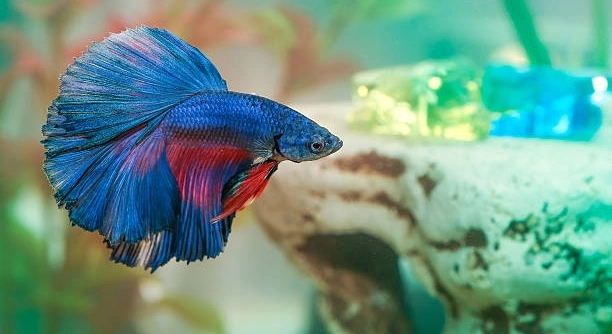
Maintaining the right pH level in a betta tank is crucial for their health. Bettas thrive in slightly acidic to neutral water, but sometimes, the pH can be too high, affecting their well-being.
To lower the pH safely in a betta tank, several natural methods can be used. These include adding driftwood, using Indian almond leaves, incorporating aquarium-safe peat moss, or performing partial water changes. These approaches help balance the pH without harming the fish.
These techniques are simple and effective, helping your betta fish thrive in the right environment. Let’s take a closer look at each of these safe methods.
Using Driftwood to Lower pH
Driftwood is a natural and effective way to lower the pH in your betta tank. When placed in the aquarium, it slowly releases tannins into the water. These tannins acidify the water, helping to bring the pH down over time. The effect can be subtle, but it’s a safe and gentle way to maintain a healthy environment for your betta. The process is gradual, so you’ll need to monitor the pH regularly to ensure it reaches the desired level without dropping too quickly.
Driftwood is not just effective, it also gives your tank a more natural look, creating hiding spots for your betta. It’s available in many types, such as Malaysian or Mopani wood, which are commonly used in aquariums. Make sure to soak the driftwood before placing it in the tank to avoid excessive tannin release all at once.
By using driftwood, you’re mimicking a betta’s natural environment. Bettas come from Southeast Asia, where they live in water with slightly acidic conditions. So, adding driftwood can replicate those conditions, offering your betta a more comfortable habitat. If you decide to use driftwood, always test your water periodically to ensure the pH level stays within a safe range for your fish.
Indian Almond Leaves for pH Adjustment
Indian almond leaves are a natural and safe way to lower pH in your betta tank.
These leaves have been used for years to help create a comfortable environment for fish. When added to the water, they release tannins, which help acidify the tank and lower the pH slowly. They also add beneficial properties to the water, such as reducing harmful bacteria and promoting healing in fish. The leaves can be left in the tank for a while, but be sure to remove them once they start to break down.
Indian almond leaves work similarly to driftwood in lowering pH, but they also offer the added benefit of improving water quality. They are easy to use and often preferred by betta owners for their natural look and effectiveness. If you’re new to using these leaves, start with a small amount and monitor the pH closely. Keep in mind that the tannin release can vary depending on the size and type of the leaves.
Using Aquarium-Safe Peat Moss
Peat moss is another effective way to lower the pH in your betta tank. When added to the filter or substrate, it slowly releases humic acids into the water, lowering the pH level. The process is gradual but safe, making it a good choice for maintaining stable water conditions.
Peat moss works by releasing tannins and acids, which naturally lower the pH over time. It’s important to start with a small amount to avoid sudden drops in pH. Adding too much peat moss at once can lower the pH too quickly, which can stress your betta. Regular testing is key when using peat moss.
In addition to its pH-lowering properties, peat moss helps improve water clarity. It provides a more natural environment for your betta, as they thrive in slightly acidic water. While using peat moss, keep an eye on other water parameters, such as hardness, to ensure everything stays balanced. This method is simple and cost-effective for those looking for a natural solution.
Partial Water Changes to Lower pH
A regular water change is a reliable way to manage pH levels in your betta tank.
When the water in your tank becomes too alkaline, a partial water change can dilute the high pH, bringing it closer to the desired range. Aim for a 20-30% water change every 1-2 weeks, depending on the water conditions. Make sure the replacement water is also slightly acidic to avoid fluctuations.
Partial water changes are beneficial not only for lowering pH but also for overall tank health. They help remove excess minerals and waste products that can raise the pH. It’s important to use water that’s been properly treated to avoid introducing chlorine or other chemicals that could harm your betta. Always check the temperature of the new water to prevent shocking your fish. This is a simple, ongoing method that helps maintain a balanced environment for your betta’s long-term well-being.
Adding Aquarium Driftwood
Driftwood is a simple yet effective way to lower the pH in your betta tank. It slowly releases tannins into the water, which help acidify it naturally. The process is gradual, so monitoring the pH is important to avoid sudden drops.
Driftwood not only lowers pH, but it also creates a natural habitat for your betta. It provides hiding spots and a comfortable environment. It’s important to choose aquarium-safe driftwood to avoid contaminants. While effective, it’s a slow process, so be patient as you monitor the tank’s condition.
Using CO2 Injection System
A CO2 injection system is another method to lower pH.
This system adds carbon dioxide to the water, lowering the pH over time. It’s more commonly used in planted tanks, as the CO2 helps plants grow while reducing the pH. The process is controllable, making it suitable for those who want precise adjustments.
Using pH-Lowering Chemicals
pH-lowering chemicals are an option for quick pH adjustments.
These chemicals can be added directly to the water to lower the pH rapidly. However, they should be used sparingly, as they can cause sudden changes in the tank’s environment, which may stress the fish. Regular monitoring is necessary when using these chemicals.
FAQ
How often should I test the pH in my betta tank?
It’s important to test your betta tank’s pH at least once a week. This helps you catch any pH fluctuations early and make adjustments before they cause stress to your fish. Testing more frequently may be necessary if you’re actively using methods to lower the pH, like adding driftwood or Indian almond leaves. Always keep track of any changes so you can maintain a stable environment for your betta. Regular testing will also help you monitor if your pH-lowering methods are working as expected.
Can I use multiple methods to lower pH at once?
Yes, you can use multiple methods to lower pH, but it’s crucial to monitor the changes closely. Combining techniques, like using driftwood with partial water changes, can be effective, but it’s essential to avoid drastic pH changes. Sudden shifts in pH can stress or even harm your betta. Always test the water regularly and make gradual adjustments, especially if you’re using more than one method. With patience and attention, you can safely lower the pH without causing harm to your betta.
Will lowering the pH too much harm my betta?
Yes, lowering the pH too much can be harmful to your betta. Bettas thrive in water with a pH between 6.5 and 7.5. If the pH drops too low, it can cause stress, weaken your fish’s immune system, and make them more vulnerable to disease. It’s important to make gradual changes and never force a rapid drop in pH. Always keep the pH within the optimal range and test the water frequently to ensure it’s stable.
What pH range is best for my betta fish?
Betta fish prefer a slightly acidic to neutral pH, typically between 6.5 and 7.5. Maintaining this range ensures your betta remains healthy and stress-free. Water with a pH outside of this range can cause stress, affect their metabolism, and lead to health problems. Regularly check your tank’s pH to ensure it’s within the optimal range. You can adjust it as needed using natural methods like driftwood or Indian almond leaves to ensure your betta’s comfort.
Are there any risks with using chemicals to lower pH?
Using chemicals to lower pH can be risky if not done carefully. pH-lowering chemicals often work quickly, which can cause dramatic shifts in water parameters. Sudden changes can stress your betta, making them more prone to illness. Additionally, some chemicals may contain harmful additives, so it’s essential to choose aquarium-safe products. If you do decide to use chemicals, monitor the water closely, and make gradual adjustments to avoid shocking your fish. Chemical methods should only be used as a last resort when other methods aren’t effective.
How can I raise the pH if it goes too low?
If your betta’s tank pH drops too low, you can raise it gradually using methods like adding crushed coral, limestone, or shells to the substrate or filter. These materials slowly release calcium carbonate, which can raise the pH over time. It’s important to adjust the pH slowly to avoid stressing your fish. Always monitor the pH closely during the adjustment period, making sure it doesn’t rise too quickly. Never make large adjustments at once, as this can harm your betta.
Can I use tap water to lower the pH in my betta tank?
Tap water can be used in your betta tank, but it may have a high pH, depending on your location. Some tap water contains high levels of minerals like calcium and magnesium, which can raise the pH. If you’re using tap water, you may need to adjust the pH by adding pH-lowering substances like driftwood, Indian almond leaves, or peat moss. Test the tap water before adding it to your tank to see if it’s too alkaline. If it is, you’ll need to take steps to lower the pH gradually.
Can I use a CO2 system to lower the pH in my tank?
Yes, a CO2 injection system can help lower the pH in your tank, especially if you have live plants. The carbon dioxide released by the system helps acidify the water. This method is more controlled than other pH-lowering techniques, but it’s best for planted tanks where CO2 benefits both the fish and the plants. However, CO2 systems can be tricky to manage and should be used carefully. Monitor your tank’s pH regularly to avoid any sudden drops that might stress your betta.
How does the hardness of my water affect pH?
Water hardness, or the concentration of dissolved minerals like calcium and magnesium, can impact pH stability. Hard water tends to resist changes in pH, making it more difficult to lower the pH naturally. On the other hand, soft water is more susceptible to pH changes. If your water is very hard, it might be more challenging to adjust the pH, and you may need to use additional methods, such as a CO2 system or specific pH-lowering chemicals. Regularly testing your water’s hardness and pH together can give you a clearer picture of how to maintain a stable environment for your betta.
How quickly can I expect to see changes in pH after using driftwood or Indian almond leaves?
When using driftwood or Indian almond leaves, the pH change is gradual, often taking several days to a week. Both methods release tannins and acids slowly into the water, which will lower the pH over time. It’s important to be patient and avoid making adjustments too quickly. Check your water regularly and adjust your method if needed. These natural methods are safe and effective, but they require time and consistent monitoring to ensure a stable, comfortable environment for your betta.
Final Thoughts
Lowering the pH in a betta tank is a straightforward process, but it requires patience and careful monitoring. Bettas thrive in slightly acidic water, and maintaining the right pH range can make a big difference in their overall health and well-being. Methods like using driftwood, Indian almond leaves, and peat moss are natural and safe ways to adjust the pH gradually. These methods not only help lower the pH but also mimic the betta’s natural environment, which can reduce stress and promote a more comfortable habitat. However, any changes made should be done slowly to avoid stressing your betta with sudden shifts in water conditions.
It’s important to remember that monitoring the pH regularly is crucial, especially when using natural methods. Even though they are safer and gentler on the fish, their effects can take time to show. Testing the water once a week, or more frequently if you’re actively adjusting the pH, is recommended to ensure the changes are gradual and stable. If you choose to use chemical pH-lowering solutions, you need to proceed with caution. While these chemicals work faster, they can cause quick fluctuations that may be harmful to your betta. Using them should be a last resort, and only if other natural methods aren’t effective enough.
Every tank is different, and what works for one betta might not be ideal for another. Understanding your tank’s unique water chemistry, such as its hardness and mineral content, can help you make more informed decisions about how to adjust the pH. Ultimately, your goal should be to create a stable, stress-free environment where your betta can thrive. Whether using driftwood, Indian almond leaves, or performing partial water changes, each method has its benefits. With the right approach and careful monitoring, you’ll be able to maintain a healthy pH level for your betta and ensure they live a long, happy life.

Hello,
If you enjoy the content that we create, please consider saying a "Thank You!" by leaving a tip.
Every little bit helps us continue crafting quality advice that supports the health, happiness, and well-being of pets around the world, for pets of all shapes, sizes, and species.
We really appreciate the kindness and support that you show us!