
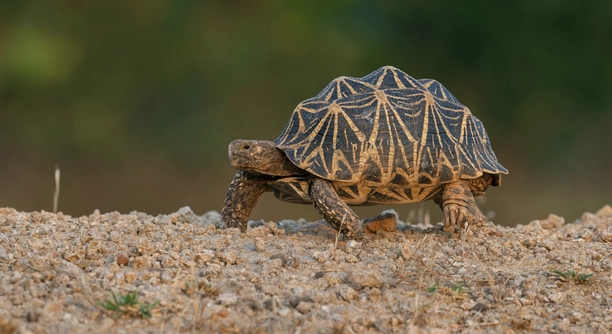
Turtles make wonderful pets, but decorating their tank safely is essential for their health and happiness. A well-designed habitat helps create a comfortable environment for your turtle to thrive in. There are several ways to enhance the tank.
When decorating a turtle’s tank, it’s important to ensure that the items used are safe and non-toxic. Avoid sharp objects, small decorations that could be ingested, and any materials that may contaminate the water. Always choose items made specifically for aquatic pets.
From plants to tank accessories, we’ll explore the safest ways to decorate your turtle’s tank while keeping them happy and healthy.
Choosing Safe Tank Decorations
When decorating a turtle’s tank, the first priority is to ensure that all decorations are safe. Turtles tend to explore and interact with their surroundings, so any items placed in the tank should not pose a danger to them. Decorations that are sharp or small enough to be swallowed can cause injury. Plastic plants or rocks with rough edges are often risky. Instead, choose smooth decorations designed for aquatic environments. Natural materials like river rocks or driftwood can be safe, but always check to ensure they are free of harmful chemicals. Additionally, some materials can leach toxins into the water, harming your turtle. Be mindful of the type of substrate and rocks you use, as they need to be safe for both your turtle and the water quality.
Ensure the decorations you use are specifically made for aquatic environments. Avoid anything that may deteriorate in water and release harmful chemicals. Smooth, natural materials are often the best choice for both safety and aesthetics.
It’s also crucial to consider the functionality of the decorations. Turtles require space to swim, bask, and hide, so items should provide opportunities for these activities. Hiding spots are important for turtles, especially since they may feel vulnerable when out of sight. Providing places for them to rest and climb is equally important. When choosing items like rocks, plants, or logs, make sure they won’t tip over easily and that they provide enough space for your turtle to move freely. Ensuring the decoration doesn’t take up too much space will help keep the tank clean and allow your turtle to move comfortably.
Using Safe Plants
Live plants can help enhance your turtle’s environment. They not only improve the look of the tank but also provide a natural hiding place for your turtle. However, not all plants are safe for aquatic environments.
Choose plants that are non-toxic and aquatic-friendly. Plants such as anacharis, java moss, or water lettuce make great additions to a turtle tank. These plants are easy to maintain and will thrive in a turtle’s habitat without causing harm. Always avoid toxic plants like azalea, ivy, and oleander, as they can be dangerous to turtles.
Adding plants can be a great way to enrich your turtle’s environment. They act as natural filters, help oxygenate the water, and provide a spot for your turtle to rest and hide. Plants can also prevent algae growth by outcompeting them for nutrients in the water. However, you should monitor plant health, as dead or decaying plants can lead to water quality problems. Trim any overgrown plants to maintain balance in the tank. Additionally, if your turtle tends to nibble on plants, ensure you select those that won’t harm them. A balance of decor and plant life will make the tank both beautiful and functional.
Substrate Choices
The substrate is the material that covers the bottom of the tank. Choosing the right substrate is vital for your turtle’s comfort and health. Gravel, sand, or tiles can be good choices, but they must be safe and easy to clean.
Avoid small, loose gravel as it can be ingested, leading to blockages. Sand, when used correctly, is safe and easy to maintain. It also allows turtles to dig and mimic their natural environment. Smooth tiles are another good option since they are easy to clean and provide a sturdy surface. Avoid brightly colored substrates or those with sharp edges.
It’s essential to regularly clean the substrate to maintain water quality. Turtles can be messy, and food waste, debris, and droppings can quickly accumulate, creating an unhealthy environment. Over time, certain substrates can harbor bacteria or mold, leading to health problems. Whether you choose sand, gravel, or tiles, always clean and replace the substrate when necessary. A clean, safe substrate will help keep your turtle’s tank healthy and comfortable, providing a secure space for them to explore.
Water Temperature and Filtration
The water temperature is critical to your turtle’s well-being. Turtles are cold-blooded animals, so they rely on their environment to regulate their body temperature. Maintaining the right water temperature ensures they stay active and healthy.
A water heater is an essential tool for keeping the temperature stable. The water should be kept between 75°F and 85°F, depending on the species. You can use a thermometer to check the water temperature regularly, ensuring it remains within the appropriate range. A filter is also necessary to keep the water clean. Turtles produce a lot of waste, and without proper filtration, the water can quickly become polluted, leading to health issues. Choose a filter that’s powerful enough for the size of your tank.
Maintaining both water temperature and filtration is an ongoing process. Regular water changes are necessary to remove excess waste and keep the tank clean. The filter will help keep the water clear and reduce the need for frequent changes, but it’s important to check the filter regularly to make sure it’s working correctly. A well-maintained tank with the right water conditions will keep your turtle happy and healthy. Keeping the water clean and at the right temperature will also help prevent the growth of harmful bacteria and ensure your turtle enjoys a long, comfortable life.
Tank Size
The size of the tank plays a huge role in your turtle’s overall health and happiness. A larger tank provides more space to swim, bask, and explore. It also helps maintain better water quality. Ensure your tank is large enough for your turtle to move freely and comfortably.
A general rule is to have at least 10 gallons of water per inch of turtle shell length. However, turtles grow quickly, so plan for a larger tank as they mature. Providing a spacious tank prevents stress and ensures your turtle has enough room for exercise and proper care.
Basking Area
A basking area is a must for your turtle’s health. Turtles need to spend time out of the water to absorb UVB light, which is crucial for calcium metabolism and overall well-being. Provide a dry, elevated spot for your turtle to rest and warm up.
A floating platform or ramp can create an easy-to-access basking spot. Make sure the area is large enough for your turtle to stretch out comfortably. Position it under a UVB light to ensure your turtle gets the right exposure to promote healthy shell growth and prevent metabolic bone disease.
Tank Cleaning
Cleaning your turtle’s tank is essential to keeping it safe and healthy. Regular tank cleaning prevents harmful bacteria and algae from building up, keeping the water clear and free of toxins. A clean environment promotes good health for your turtle.
FAQ
How often should I clean my turtle’s tank?
Turtle tanks need regular cleaning to maintain water quality and prevent health problems. You should do partial water changes once a week, removing about 25-30% of the water. This helps keep the water clean and reduces the buildup of waste. Additionally, check the filter and clean it every 2-4 weeks to ensure it’s working effectively. The substrate should be cleaned or replaced as needed, depending on the type. If your turtle is messy or the tank gets dirty quickly, you might need to clean it more frequently. Keeping the tank clean is key to preventing bacteria buildup and ensuring your turtle stays healthy.
Can I use plastic decorations in a turtle tank?
While plastic decorations can be tempting because they’re cheap and easy to clean, they might not always be the best choice for a turtle tank. Plastic items with rough edges can hurt your turtle’s skin or shell, and they may also be prone to cracking, which can create dangerous sharp edges. If you do use plastic, make sure it’s designed for aquatic animals and has no sharp or brittle parts. Smooth, durable materials like ceramic, resin, or natural items like driftwood are safer alternatives that won’t cause injury.
Do turtles need a UVB light?
Yes, turtles need UVB light to stay healthy. UVB light helps turtles synthesize vitamin D3, which is necessary for calcium absorption and healthy shell growth. Without it, turtles are at risk for metabolic bone disease, which can cause soft shells and weakened bones. A UVB light should be placed over the basking area, where your turtle can soak up the rays for about 10-12 hours a day. Be sure to replace the bulb every 6-12 months, as UVB rays can weaken over time, even if the bulb still produces visible light.
How deep should the water be in a turtle tank?
The depth of the water in your turtle tank depends on the size of your turtle. Generally, the water should be deep enough for your turtle to swim freely and dive comfortably. For adult turtles, a water depth of 6-12 inches is ideal. However, smaller turtles might do fine with less water depth. It’s important to have a balance: too deep can make it hard for your turtle to reach the surface to breathe, while too shallow can limit swimming space. Ensure your tank is large enough to accommodate the correct water depth and your turtle’s activity.
What should I feed my turtle?
Turtles are omnivores, which means their diet should consist of both animal and plant-based foods. A balanced diet includes commercial turtle pellets, which provide essential nutrients, as well as fresh vegetables like kale, spinach, and collard greens. You can also offer protein sources like crickets, worms, or small fish. It’s important to vary your turtle’s diet to ensure they get all the necessary vitamins and minerals. Be cautious not to overfeed; feeding your turtle once every 2-3 days is usually sufficient, depending on its age and size. Avoid feeding high-fat foods, such as fatty meats or processed snacks, as these can lead to obesity.
Can I put multiple turtles in the same tank?
Yes, you can have multiple turtles in the same tank, but it depends on their size, species, and temperament. Some turtles are territorial and might become aggressive toward each other, especially during feeding or basking time. If you plan to house more than one turtle, make sure the tank is large enough to provide space for each turtle to swim, bask, and hide. Having enough basking spots and hiding places is crucial to reduce stress and territorial disputes. It’s also important to monitor the turtles’ behavior closely and separate them if necessary.
How long do turtles live?
Turtles are long-lived creatures, and their lifespan can vary based on the species. On average, turtles live anywhere from 20 to 40 years, with some species living much longer. Some pet turtles, like box turtles or red-eared sliders, can live to be 50 years old or more with proper care. To ensure a long, healthy life, turtles require a proper habitat, diet, and regular health checks. The longevity of your turtle largely depends on how well you maintain its environment and provide for its needs.
What should I do if my turtle is sick?
If you notice signs of illness in your turtle, such as lethargy, loss of appetite, or abnormal behavior, it’s essential to act quickly. Sick turtles can deteriorate fast, so a visit to the vet that specializes in reptiles is recommended. Common signs of illness include swollen eyes, respiratory issues, or unusual shell appearance. Early diagnosis and treatment can prevent more serious health problems. Ensure that the tank environment is suitable for your turtle, as poor water quality, incorrect temperature, or improper diet can contribute to illness. Keeping your turtle’s habitat clean and providing proper care will help prevent many health issues.
Is it okay to use tap water in my turtle tank?
Tap water is often treated with chlorine and other chemicals, which can be harmful to your turtle. It’s best to use a water conditioner specifically designed for aquatic pets to remove chlorine and chloramines from tap water. Alternatively, you can use distilled or dechlorinated water to avoid harmful chemicals. Regularly testing the water quality is also important to ensure proper pH levels, hardness, and cleanliness. Safe, clean water is essential for your turtle’s health, so always take precautions when using tap water in the tank.
Do turtles need a heater in their tank?
Yes, turtles require a heater to maintain the proper water temperature. As cold-blooded animals, they depend on their environment to regulate their body temperature. The water temperature should be kept between 75°F and 85°F, depending on the species. A consistent, appropriate temperature promotes digestion, activity, and overall health. Without a heater, the water could become too cold, making your turtle sluggish and reducing its immune function. Be sure to monitor the water temperature regularly with a thermometer to prevent it from fluctuating too much.
Final Thoughts
Decorating a turtle tank requires careful consideration to ensure the safety and well-being of your pet. Choosing the right decorations, substrate, and plants can help create an enjoyable and healthy environment for your turtle. When selecting items for the tank, prioritize those that are non-toxic and free from sharp edges that could harm your turtle. Smooth materials such as ceramic, natural rocks, and driftwood are good choices. Additionally, live plants can provide not only a beautiful look but also help maintain water quality. Just make sure the plants you choose are safe for turtles and are well-maintained to prevent decaying issues.
It’s also important to maintain the water conditions in the tank. The right water temperature, proper filtration, and regular cleaning are key to keeping the habitat clean and healthy. A water heater ensures your turtle remains in a comfortable range of temperatures, while a filter keeps the water free from waste. Regular water changes are necessary to prevent harmful bacteria from building up. Keeping the water clean will also reduce the risk of your turtle getting sick, allowing it to thrive in its environment. Without proper water conditions, even the best decorations and setup won’t be enough to keep your turtle healthy.
Finally, always observe your turtle’s behavior and adjust its tank environment as needed. Turtles are creatures of habit, but they may change their preferences over time. Keep an eye on how they interact with the tank’s layout, and make sure they have enough space to swim, bask, and hide. The best way to ensure your turtle’s happiness and health is to provide a balanced setup that mimics its natural environment as much as possible. With careful attention to these details, your turtle will have a comfortable and safe space to live in for years to come.

Hello,
If you enjoy the content that we create, please consider saying a "Thank You!" by leaving a tip.
Every little bit helps us continue crafting quality advice that supports the health, happiness, and well-being of pets around the world, for pets of all shapes, sizes, and species.
We really appreciate the kindness and support that you show us!