
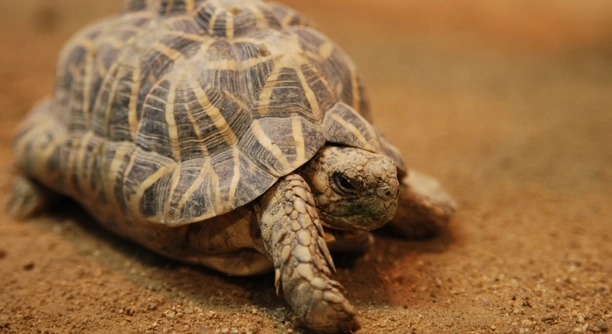
Treating your turtle can be a rewarding experience, but it’s important to choose the right foods. Some treats are safe, while others can be harmful. Understanding which options are best for your pet is essential.
The safest treats for turtles include fruits like strawberries, melons, and bananas, as well as leafy greens like kale and dandelion greens. Offering these in moderation ensures a balanced diet that supports your turtle’s health and well-being.
These simple options will keep your turtle happy and healthy. The right treats contribute to your pet’s overall nutrition.
The Importance of Moderation
When it comes to feeding your turtle treats, moderation is key. While certain foods can be beneficial, giving too many can upset their digestive system. Overfeeding can lead to obesity or other health issues, so always ensure that treats are just a small part of their overall diet. It’s essential to offer a variety of foods while maintaining a balance of proteins, greens, and fruits.
Treats should complement your turtle’s regular diet. Their main meals should consist of aquatic plants, vegetables, and protein-rich foods like insects or fish. By providing occasional treats, you ensure your turtle receives extra nutrients without overwhelming its system.
Being mindful of your turtle’s diet and treating them appropriately will support their long-term health. Small portions are key, and always remove uneaten food to avoid water contamination. The right mix of foods ensures they get all the nutrients they need while keeping their environment clean and safe.
Safe Fruits and Vegetables
Fruits and vegetables are an excellent option for turtle treats. Common choices include strawberries, grapes, and melon. These provide hydration and essential vitamins.
When offering fruits and vegetables, always wash them thoroughly to remove pesticides. Only feed them in small amounts and offer variety to prevent boredom.
Protein-Rich Treats
High-protein treats like mealworms, crickets, or small pieces of fish are great for turtles. These foods provide essential nutrients that help with growth and energy. Always offer these in moderation, as too much protein can lead to kidney problems over time.
Offering protein-based treats once or twice a week is enough to meet your turtle’s needs. Be sure to remove any uneaten pieces from the tank to avoid water contamination. When providing insects, make sure they are properly sized to prevent choking hazards.
Protein treats should be offered alongside other types of foods like vegetables to maintain a balanced diet. These treats support your turtle’s energy levels and help with the natural development of its shell. However, they should not be the main focus of your turtle’s diet.
Greens and Leafy Vegetables
Leafy greens like kale, collard greens, and dandelion greens are safe and healthy options. They are rich in calcium and vitamins, supporting bone health and overall well-being. Always offer fresh greens to avoid any preservatives or additives.
Ensure you are providing a mix of greens regularly, as too much of one type can cause nutrient imbalances. Dandelion greens, for example, are high in calcium, but feeding them exclusively may lead to excess calcium. Rotation is key. Offer greens alongside other vegetables like squash and carrots for variety.
The right greens will encourage your turtle to explore different textures and flavors, which is important for its enrichment. Over time, your turtle will develop preferences for certain leafy greens, so be mindful of what it enjoys and what it needs most nutritionally.
Safe Flowers
Certain flowers like hibiscus, pansies, and dandelions are safe for turtles. They can be a fun treat that adds variety to their diet. Always ensure the flowers are pesticide-free to avoid harmful chemicals.
Flowers can be offered fresh, as they provide vitamins and minerals beneficial to your turtle. Offering a mix of edible flowers occasionally keeps your pet’s diet interesting while also providing extra nutrients. These can be included in their regular feeding schedule or given as a special treat.
Be sure to research any flowers before feeding them to your turtle to ensure they are safe. Some flowers may look appealing but contain toxins that can harm your pet.
Avoid Toxic Foods
Turtles must avoid certain foods like avocado, rhubarb, and onions. These can be toxic and harmful to their health. Always double-check before introducing new foods.
Feeding your turtle the wrong foods can lead to severe health issues, including digestive problems or even death. It’s important to stick to safe, natural foods to ensure their well-being. Keeping a list of foods to avoid helps prevent accidental feeding of harmful items.
Feeding Frequency
Turtles should not be given treats too often. Aim for once or twice a week, depending on your turtle’s size and age. This ensures a balanced diet and avoids overfeeding.
Treats should complement their regular diet of vegetables and proteins. Offering them too often can lead to obesity or digestive issues. Keep track of how much your turtle eats to avoid unbalanced nutrition.
FAQ
Can turtles eat fruits every day?
Fruits should be given to turtles in moderation, as they are high in sugar. Offering fruit daily can cause digestive issues or obesity in the long run. Instead, fruits should be a special treat, provided once or twice a week. Always remove uneaten fruit to prevent it from contaminating the tank. Stick to small portions to avoid overwhelming their diet with excess sugar.
What vegetables are best for turtles?
Leafy greens like kale, collard greens, and dandelion greens are excellent choices. These vegetables provide essential nutrients, such as calcium, and help support bone health. Other good options include turnip greens, mustard greens, and bok choy. Offering a variety of greens ensures that your turtle receives a balanced diet, with enough vitamins and minerals. Avoid feeding spinach too often, as it can interfere with calcium absorption.
Is it okay to give turtles protein daily?
Protein should not be fed to turtles every day. While it is an important part of their diet, excess protein can lead to kidney problems and imbalance their nutritional intake. Offering protein-based treats like insects, fish, or worms once or twice a week is enough. These treats should be properly sized to prevent choking hazards. Stick to a mix of vegetables, greens, and fruits for their daily meals.
Can turtles eat seeds and nuts?
Turtles should not be given seeds or nuts regularly. Some nuts can be high in fat, which may lead to obesity or digestive issues in turtles. Certain seeds may also pose a choking risk. However, small amounts of seeds from safe fruits like watermelon or cantaloupe can occasionally be offered as a treat. Always ensure the seeds are free from harmful chemicals or pesticides.
How often should I feed my turtle treats?
Treats should be given to turtles no more than once or twice a week. Their main diet should consist of leafy greens, vegetables, and protein sources. Offering treats too frequently can lead to health problems, including obesity and digestive issues. Stick to small portions when giving treats and remove any uneaten food to prevent tank contamination. Regularly check that your turtle is receiving a balanced diet to ensure overall health.
Can I feed my turtle cooked food?
It’s not recommended to feed turtles cooked food regularly, as the process can reduce nutritional value. However, in some cases, cooking may be necessary for certain protein-rich foods like chicken or fish. Cooking can also help remove bacteria, but be sure to cook food without any seasonings or oils. Always provide a mix of raw, fresh foods as part of their regular diet. If cooking is necessary, make sure to cut the food into manageable, turtle-safe pieces.
Are there any foods I should never feed my turtle?
Yes, there are several foods that should be avoided completely. Avocado, rhubarb, and onions are toxic to turtles and should never be fed. Additionally, chocolate and any processed foods, such as chips or junk food, should be avoided. These can cause serious health issues. Make sure to double-check the safety of any new food before offering it to your turtle. Always research and ensure that the food is non-toxic and suitable for your turtle’s species.
Can turtles eat store-bought turtle food?
Store-bought turtle food can be used as a supplement but should not be the main source of nutrition. While these foods are convenient, they often lack the variety and nutrients found in fresh vegetables, fruits, and live protein sources. Use commercial turtle food sparingly and focus on offering a diverse, natural diet that mimics a turtle’s natural habitat. Look for reputable brands that offer nutritionally balanced options without unnecessary fillers.
How do I know if my turtle is eating enough?
A healthy turtle should show interest in food, maintain a healthy weight, and display active behavior. If your turtle is not eating regularly, it may be due to stress, improper water temperature, or illness. Monitor your turtle’s weight by checking its shell for any signs of malnutrition. If your turtle consistently refuses food, consult with a vet to ensure there are no underlying health issues. Proper feeding should result in a well-fed and active pet.
Can turtles eat dairy products?
Dairy products should not be fed to turtles. Most turtles are lactose intolerant and cannot properly digest milk, cheese, or yogurt. Offering dairy can lead to digestive issues, including diarrhea. Stick to turtle-safe foods like vegetables, fruits, and lean protein sources to ensure your pet’s health. Avoid introducing dairy into their diet to prevent unwanted health complications.
Are there any treats I should avoid giving my turtle?
Avoid offering treats that are high in fat, sugar, or salt, as they can disrupt your turtle’s diet and overall health. Common foods to avoid include processed snacks, sugary fruits like oranges or grapes, and anything that contains preservatives or chemicals. Always choose natural, fresh foods that are safe for turtles and offer a balanced nutritional profile.
Final Thoughts
When feeding your turtle, it’s important to keep their diet balanced and varied. Providing safe treats and healthy food options helps support their growth and overall well-being. While some treats can be given regularly, others should be reserved for special occasions to avoid overfeeding and potential health issues. Fresh vegetables, fruits, and the occasional protein source will keep your turtle healthy and happy. Always be sure to offer a variety of foods, as this mimics what they would naturally eat in the wild.
It’s also important to remember that each turtle is different. While some may enjoy certain foods, others may have different preferences or dietary needs. Keeping an eye on your turtle’s behavior and weight can help you adjust their diet accordingly. If you notice that your turtle is not eating or seems uninterested in certain foods, it may be a sign of stress or illness. It’s best to consult a vet if you have concerns about their diet or health. Your turtle’s comfort and happiness are the top priority.
Maintaining a healthy diet is one of the easiest ways to ensure that your turtle lives a long and happy life. By feeding them safe treats and proper food, you can help them thrive. Just be mindful of the foods you offer and always check if they are safe for turtles. With proper care, your turtle will enjoy a varied and nutritious diet that supports their needs.

Hello,
If you enjoy the content that we create, please consider saying a "Thank You!" by leaving a tip.
Every little bit helps us continue crafting quality advice that supports the health, happiness, and well-being of pets around the world, for pets of all shapes, sizes, and species.
We really appreciate the kindness and support that you show us!