
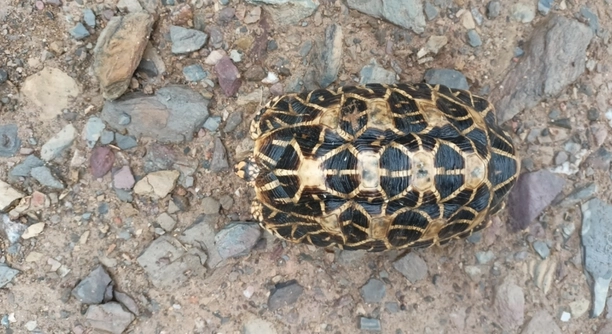
Star tortoises are fascinating creatures, known for their unique appearance and gentle nature. As pet owners, we often want to show our love by offering treats. However, it’s important to be mindful of what’s safe for them.
When offering treats to your star tortoise, choose safe, healthy options that won’t disrupt their diet. Fruits, vegetables, and some herbs can make great occasional snacks. Always ensure the treats are given in moderation to avoid health complications.
Understanding what treats are suitable for your star tortoise is essential for their well-being. You can provide them with safe snacks to enrich their diet, ensuring they stay healthy and happy.
Safe Fruits for Your Star Tortoise
Fruits can be a great occasional treat for your star tortoise, but not all fruits are safe. Offering fruits like strawberries, apples, and melons in moderation is a good choice. These fruits provide essential vitamins, moisture, and a bit of sweetness that your tortoise will enjoy. However, make sure to remove seeds and pits, as they can be harmful. Always wash fruits thoroughly to remove any pesticides or chemicals that might be on the surface.
It’s important to note that fruit should only make up a small portion of your star tortoise’s diet. Too much sugar from fruit can cause digestive issues or imbalances in their diet. Offering fruit once or twice a week is usually sufficient.
While fruits like papaya and mango are safe in moderation, they should be served with care due to their high sugar content. These fruits can be fun and tasty treats but should never replace the primary part of their diet, which should consist mostly of leafy greens and grasses.
Vegetables to Offer Occasionally
When selecting vegetables for your tortoise, focus on leafy greens like dandelion, collard greens, and kale. These are rich in fiber and calcium, which are essential for your tortoise’s health. Avoid offering too many starchy vegetables like potatoes or sweet potatoes, as they can be harder for them to digest.
Vegetables should complement their regular diet of grasses and hay. Giving small portions of vegetables a few times a week provides added nutrients.
Offering vegetables in a variety of types ensures your tortoise gets a range of nutrients. Always monitor how your tortoise reacts to new foods to avoid any potential digestive issues.
Safe Herbs for Your Star Tortoise
Herbs like basil, parsley, and cilantro can be great treats for your star tortoise. These herbs add variety to their diet and are often packed with vitamins and minerals that support their health. Offering herbs in small amounts can provide enrichment and make feeding more interesting for them.
Parsley, in particular, is high in calcium and vitamin C, which are both beneficial. However, it’s important to avoid overfeeding herbs like parsley since too much calcium can cause kidney problems. Offering a variety of herbs helps prevent monotony and keeps your tortoise’s diet balanced.
Some herbs, like oregano and thyme, are safe in moderation but should not be overfed. While they can provide flavor and excitement, they shouldn’t be a regular part of their diet due to their strong taste and potentially high amounts of essential oils.
Occasional Flowers for Your Star Tortoise
Certain edible flowers, such as hibiscus, dandelions, and nasturtiums, are safe and can be offered as occasional treats. These flowers can provide extra nutrients like antioxidants and vitamins. You can even grow them yourself, ensuring they are pesticide-free.
Flowers are an exciting addition to a star tortoise’s diet. They enjoy the variety and can benefit from the added nutrition, including the occasional boost in hydration. However, flowers should not make up a significant portion of their diet. Offering them sparingly is best.
Avoid flowers from your garden unless you’re certain they haven’t been treated with chemicals. Always research any new flowers you plan to feed them to ensure they are non-toxic. While flowers can be a fun treat, their primary role should be as an occasional supplement to a well-rounded diet.
Treats to Avoid for Your Star Tortoise
There are several foods that should never be given to your star tortoise. Avoid sugary fruits like grapes and bananas in large quantities, as well as processed human food. These can cause digestive problems or imbalance their diet. Stay away from iceberg lettuce, as it lacks nutritional value.
Foods like chocolate, avocado, and high-fat items should also be completely avoided. These foods can be toxic to tortoises, leading to serious health issues. Always research new foods before offering them to ensure they are safe for your tortoise. A safe, balanced diet is crucial for their well-being.
Managing Treats and Balance
Treats should always be given in moderation. The primary focus of your star tortoise’s diet should remain on leafy greens, grasses, and hay. Treats like fruits, vegetables, and herbs should make up no more than 10-15% of their total intake. This helps prevent obesity and ensures they get the nutrients they need.
A balanced diet promotes long-term health and well-being. Providing occasional treats can offer variety and enrichment but must never replace their staple foods. Avoid overfeeding any one type of treat to ensure a well-rounded and safe diet.
Hydration for Your Star Tortoise
Keeping your star tortoise hydrated is as important as offering proper food. Fresh water should always be available for them to drink. In addition to drinking water, tortoises often enjoy soaks in shallow water, which helps with hydration and shell health.
Make sure their water dish is clean and easy to access. A shallow dish is ideal to prevent accidental drowning. Regular soaking in warm water for about 15-20 minutes can also help your tortoise stay hydrated and improve their overall health.
FAQ
Can I feed my star tortoise iceberg lettuce?
Iceberg lettuce should be avoided as it provides very little nutritional value for your tortoise. It’s mostly water and lacks the necessary vitamins and minerals that your tortoise needs. Instead, opt for darker leafy greens like dandelion greens, collard greens, or mustard greens. These are far more beneficial for your star tortoise’s health.
How often should I offer treats to my star tortoise?
Treats should be offered in moderation. It’s recommended to provide them once or twice a week, ensuring they do not make up more than 10-15% of your tortoise’s total diet. Stick to safe options such as fruits, vegetables, and herbs, always avoiding sugary or processed foods.
Can I feed my tortoise fruit every day?
No, fruits should not be given daily. While they can be a tasty treat, they are high in sugar and should be offered sparingly. Fruits like strawberries, melons, and apples should be treated as occasional snacks, not a regular part of their diet.
What fruits are safe for my star tortoise?
Some safe fruits for your star tortoise include strawberries, watermelon, apples, and papaya. These fruits are rich in vitamins and hydration. However, always remove seeds or pits, and avoid overfeeding them, as excess sugar can lead to health problems.
Are there any vegetables I should avoid feeding my star tortoise?
Yes, some vegetables should be avoided, such as potatoes, sweet potatoes, and other starchy vegetables. These can be difficult for your tortoise to digest. Avoiding vegetables high in oxalates, like spinach, is also a good idea, as they can affect calcium absorption.
Can I feed my star tortoise flowers from my garden?
It’s important to be cautious when offering flowers from your garden. Only feed them flowers that are known to be safe and pesticide-free. Some safe options include dandelions, hibiscus, and nasturtiums. Always research any new flowers before offering them to your tortoise.
Is it safe to feed my tortoise herbs like basil and parsley?
Yes, basil and parsley can be great occasional treats for your tortoise. These herbs are rich in vitamins and minerals, but they should be given in moderation. Too much parsley, especially, can cause issues due to its high calcium content, which may lead to kidney problems if overfed.
How can I ensure my star tortoise stays hydrated?
Ensure your tortoise always has access to fresh, clean water. You can also help with hydration by offering moist, hydrating vegetables like cucumber and watermelon. Soaking your tortoise in shallow warm water for about 15-20 minutes a couple of times a week is another effective way to maintain hydration.
Can I feed my tortoise processed or cooked food?
No, processed or cooked foods should be avoided. Your tortoise’s diet should consist mainly of raw, natural foods. Processed foods contain preservatives and artificial ingredients that can harm their health. Stick to fresh vegetables, fruits, and herbs that are safe for them.
How much calcium should I provide to my star tortoise?
Calcium is crucial for your tortoise’s shell and bone health. It’s recommended to offer calcium supplements 2-3 times a week, in the form of a calcium powder sprinkled on their food. Be sure to balance it with phosphorus and avoid offering too much, as excess calcium can cause kidney issues.
Can I feed my tortoise meat or animal protein?
Star tortoises are herbivores, and their diet should not include animal protein. Feeding them meat can cause digestive problems and harm their health. Stick to plant-based foods like leafy greens, grasses, flowers, and safe fruits for the best nutrition.
How do I introduce new foods to my tortoise?
When introducing new foods, do so gradually to see how your tortoise reacts. Offer small amounts of the new food alongside their regular diet, and observe for any signs of digestive issues. If everything goes well, you can slowly increase the portion. Avoid making sudden changes to their diet, as it may cause stress or digestive upset.
Can I feed my star tortoise commercial tortoise food?
Commercial tortoise food can be offered occasionally but should not be the main component of their diet. Many commercial foods are not nutrient-dense enough for your tortoise’s needs and may include fillers. It’s better to focus on fresh, natural foods like grasses and leafy greens.
Should I offer my tortoise a variety of foods?
Yes, offering a variety of foods is important to ensure your star tortoise gets a balanced diet. Mix up their greens, fruits, vegetables, and herbs to provide a range of nutrients. Variety will also keep feeding interesting for your tortoise and help avoid dietary imbalances.
How do I tell if my star tortoise is healthy?
A healthy star tortoise should have clear, bright eyes, a smooth, firm shell, and be active. They should have a regular eating and drinking routine. If your tortoise is sluggish, refuses food, or seems unwell, consult a vet to check for health issues. Regular checkups are a good idea.
What if my star tortoise refuses food?
If your tortoise refuses food, it could be a sign of stress, illness, or improper diet. Make sure the environment is suitable with the right temperature and humidity. If the issue persists for more than a day or two, it’s best to consult a vet for advice.
Final Thoughts
Taking care of a star tortoise involves more than just providing food; it requires attention to their environment, diet, and overall health. Offering safe treats occasionally can be a great way to enrich their lives and provide them with extra nutrients. However, moderation is key. It’s important not to overfeed treats, as they can upset the balance of your tortoise’s diet. A well-balanced, mainly plant-based diet, consisting of leafy greens, safe fruits, and occasional flowers, is the best way to ensure your tortoise stays healthy.
When offering treats, it’s essential to remember that not all foods are suitable for a tortoise. Some foods can be harmful to their health, causing digestive issues or nutrient imbalances. It’s crucial to research any new foods before offering them to ensure they are safe for your star tortoise. Treats like fruits should only be given in moderation, and any new items should be introduced gradually. With a little research and planning, you can create a varied and healthy diet that will keep your tortoise happy and thriving.
Overall, the key to keeping a star tortoise healthy is consistency and knowledge. Understanding their dietary needs and what treats are safe can help you create a diet that supports their long-term well-being. Regularly checking on their overall health and environment will also go a long way in ensuring they live a long, happy life. By offering a mix of safe treats and healthy meals, along with proper care and attention, your star tortoise can enjoy a fulfilling life.

Hello,
If you enjoy the content that we create, please consider saying a "Thank You!" by leaving a tip.
Every little bit helps us continue crafting quality advice that supports the health, happiness, and well-being of pets around the world, for pets of all shapes, sizes, and species.
We really appreciate the kindness and support that you show us!