
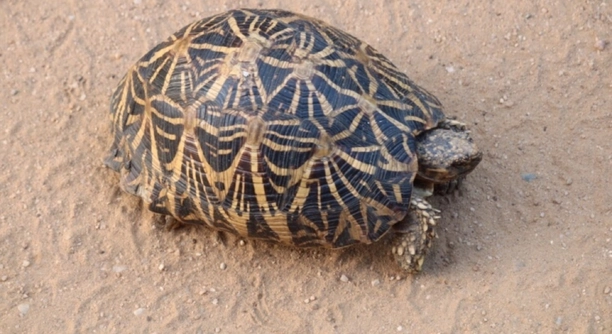
Turtles make great pets, and providing them with a healthy diet is essential for their well-being. It’s important to know what treats are safe for them to enjoy. Here’s a guide to help you choose the right ones.
There are several safe and healthy treats that you can feed your turtle. Some good options include leafy greens, fruits like strawberries, and certain vegetables like carrots. These treats should be given in moderation for a balanced diet.
Feeding your turtle the right treats will keep them healthy and happy. This article will help you discover which foods are both safe and beneficial for your pet.
Leafy Greens: A Turtle’s Favorite Snack
Leafy greens are some of the best treats you can offer your turtle. They’re rich in essential vitamins and minerals that help support your pet’s overall health. Some common greens that turtles love include romaine lettuce, kale, and collard greens. These vegetables are packed with fiber, which is important for a turtle’s digestion. You can serve them fresh or slightly chopped for easier consumption. However, it’s important to note that iceberg lettuce should be avoided as it offers little nutritional value. Remember to wash the greens thoroughly to remove any pesticides before serving.
Greens should make up a large portion of your turtle’s diet. You can alternate between different leafy vegetables to add variety to their meals. Always make sure to serve them fresh and avoid any leafy greens that may be too tough or bitter for your turtle to enjoy.
Leafy greens also help your turtle stay hydrated. Since turtles tend to eat their greens slowly, they’ll be getting water along with their meal, which helps keep their bodies hydrated. Offering these greens regularly is a great way to maintain a healthy diet and prevent dehydration in your pet.
Fruits: A Sweet Treat in Moderation
Fruits are another safe treat that turtles enjoy. Popular options include strawberries, blueberries, and apples. While they’re packed with vitamins, fruits should be given in moderation due to their natural sugar content. Too much sugar can lead to health issues like obesity. When offering fruits, make sure to cut them into small, manageable pieces.
Fruits are great for adding variety to your turtle’s diet. They provide antioxidants and essential nutrients that are good for their immune system. Just be cautious not to feed them too much, as overconsumption can lead to digestive upset.
Carrots: A Crunchy Delight
Carrots are not only safe but also loved by most turtles. They provide a good source of vitamin A, which is vital for your turtle’s vision and overall health. Serve carrots sliced or shredded for easy eating. It’s a treat that can be enjoyed once or twice a week.
Carrots are low in calories, which makes them a great snack option. They’re rich in beta-carotene, which is important for your turtle’s immune system. They also help keep your turtle’s teeth healthy by providing some natural chewing activity. Carrots can be a fun, crunchy addition to their diet.
However, as with all treats, they should be given in moderation. Too many carrots can cause an imbalance in their diet, especially since they are high in sugar. Always pair them with other vegetables to ensure your turtle gets a well-rounded meal. A mix of different foods keeps their diet interesting and healthy.
Squash: A Nutritious Option
Squash is another healthy and safe treat for your turtle. Whether it’s zucchini, pumpkin, or butternut, squash provides plenty of vitamins and fiber. They’re easy to digest and a great source of hydration for your pet. Serve squash raw or lightly cooked.
Zucchini is especially popular because it’s mild in flavor and can be served in different ways. Pumpkin is another great option and has many health benefits for your turtle. It’s rich in fiber and aids digestion, keeping your turtle’s digestive system running smoothly. Squash also offers antioxidants, which are important for fighting off diseases and supporting your turtle’s immune system.
Be sure to cut squash into manageable pieces for your turtle. Though it’s packed with good nutrients, you should avoid overfeeding it. Moderation is key to maintaining a balanced diet. Offering a variety of vegetables, including squash, helps ensure your turtle gets all the nutrients they need.
Cucumber: A Refreshing Snack
Cucumbers are a hydrating and safe treat for turtles. They are low in calories and provide a good source of water, making them great for hydration. Slice them into thin pieces for your turtle to easily eat. It’s a light and refreshing option for your pet.
Cucumbers are not only refreshing but also easy for turtles to digest. Their high water content helps keep your turtle hydrated, especially during warmer months. Offering cucumbers can also be a good way to encourage your turtle to eat if they’re feeling a bit picky. It’s a great addition to their diet.
Grapes: A Sweet Treat
Grapes can be a sweet and healthy treat for turtles, but they should only be given in moderation. Cut them into small pieces to avoid any choking hazards. Grapes are rich in antioxidants, which are beneficial for your turtle’s health. However, they contain natural sugars, so be careful with portion sizes.
Be sure to feed grapes sparingly. Too much fruit, including grapes, can lead to obesity and other health issues. A few small pieces once a week are enough to give your turtle a burst of sweetness without overdoing it. It’s best to pair grapes with other vegetables for a balanced meal.
FAQ
Can turtles eat meat?
Yes, turtles can eat meat, but it should be fed in moderation. Carnivorous turtles, like certain species of snapping turtles, naturally eat small fish, insects, and other animals in the wild. However, feeding meat too often can upset the balance of their diet. It’s important to provide a variety of plant-based foods alongside any meat to ensure they get the proper nutrition. Offer meat in small, controlled portions, focusing on lean options like chicken or fish. Avoid processed meats, as they can be unhealthy for turtles.
What can I feed my turtle daily?
A turtle’s daily diet should consist of a variety of vegetables, leafy greens, and some fruits. You can feed them kale, collard greens, dandelion greens, and romaine lettuce. Avoid iceberg lettuce as it lacks nutritional value. In addition to vegetables, you can offer a small portion of fruits like strawberries or melon. For protein, you can provide insects or commercial turtle food formulated to meet their dietary needs. Make sure to adjust portions based on the size and species of your turtle. A good rule of thumb is to give them food that they can finish in a few hours.
Is it okay to feed my turtle only vegetables?
For most species, a diet primarily consisting of vegetables is okay, but it should be balanced. Many turtles are omnivores, so they require a mix of plants and protein. While leafy greens and vegetables are a good foundation, it’s important to add protein sources like insects, worms, or even small fish. If your turtle is herbivorous, they may be able to thrive on vegetables alone, but make sure to offer a wide variety to prevent nutrient deficiencies. Always research the specific dietary needs of your turtle’s species to provide a proper diet.
How often should I feed my turtle?
The feeding schedule for your turtle depends on its age and species. Baby and juvenile turtles require more frequent feedings, usually once or twice a day. Adult turtles can be fed every other day. Overfeeding can lead to obesity, so make sure to give them an amount that they can consume in a short period. Pay attention to their activity level and adjust the amount of food if needed. Turtles may eat less during colder months as they slow down their metabolism, so be mindful of seasonal changes.
Can I feed my turtle fish?
Fish can be a good protein source for some species of turtles. Aquatic turtles, for instance, often eat fish in the wild. You can feed them small, fresh fish or fish-based food pellets. However, fish should not be the primary food source, as it lacks the variety and nutrients found in vegetables and fruits. Avoid feeding your turtle fish that are too large or those high in mercury. Also, it’s best to offer fish in moderation to maintain a balanced diet.
Can turtles eat eggs?
Yes, turtles can eat eggs. Boiled or scrambled eggs are a good source of protein for many species of turtles. However, eggs should be offered occasionally rather than regularly, as part of a balanced diet. You can cut the egg into small pieces for your turtle to eat. Avoid raw eggs, as they may contain bacteria like Salmonella, which can be harmful to both you and your turtle. Offering eggs once every few weeks can be a good way to provide additional nutrients without overdoing it.
What should I avoid feeding my turtle?
There are several foods that should be avoided when feeding your turtle. Never feed them processed or junk food, as it can cause health problems. Avoid feeding turtles foods like chocolate, onions, garlic, or avocado, which are toxic to them. Citrus fruits like oranges and lemons should also be avoided due to their high acidity, which can irritate a turtle’s stomach. Avoid feeding them foods that are too high in phosphorus, as this can interfere with calcium absorption and lead to shell deformities.
Can I feed my turtle cheese or dairy products?
Dairy products, including cheese, should be avoided when feeding your turtle. Turtles are lactose intolerant, and consuming dairy can cause digestive issues, such as diarrhea. While some animals may tolerate small amounts of dairy, it’s not recommended for turtles. Stick to natural food sources like vegetables, fruits, and proteins that are suited to their digestive system.
Can turtles eat lettuce?
Yes, turtles can eat lettuce, but it should not be the only vegetable you offer. Romaine lettuce, dandelion greens, and collard greens are all excellent options for your turtle. However, iceberg lettuce is not recommended because it lacks significant nutritional value. Too much lettuce can also result in diarrhea. Always provide a variety of other leafy greens to keep your turtle’s diet balanced and nutrient-rich.
Final Thoughts
When it comes to feeding your turtle, variety is key. A well-balanced diet that includes leafy greens, vegetables, fruits, and occasional protein will help keep your turtle healthy and happy. Remember that each turtle species has its own dietary needs, so it’s important to research what’s best for your particular pet. Offering different types of food not only makes their meals more enjoyable but also ensures they get all the nutrients they need to thrive.
Moderation plays a big role in keeping your turtle’s diet balanced. Overfeeding certain foods, especially those high in sugar or protein, can lead to health problems such as obesity or digestive issues. You should also be mindful of the types of treats you offer. While fruits like grapes and strawberries are delicious for turtles, they should only be given in small amounts. Providing too much fruit can upset the balance of their diet. Similarly, foods like cheese or processed meats should be avoided as they can harm your turtle’s health.
By paying attention to what your turtle eats and offering a variety of foods, you help support their long-term health and well-being. A little research and planning can make a big difference in your turtle’s diet, ensuring they live a healthy life. Keep an eye on your turtle’s eating habits, and adjust their diet if necessary. With the right care, your turtle will enjoy a diet that is both safe and nutritious, helping them stay active and happy for years to come.

Hello,
If you enjoy the content that we create, please consider saying a "Thank You!" by leaving a tip.
Every little bit helps us continue crafting quality advice that supports the health, happiness, and well-being of pets around the world, for pets of all shapes, sizes, and species.
We really appreciate the kindness and support that you show us!