
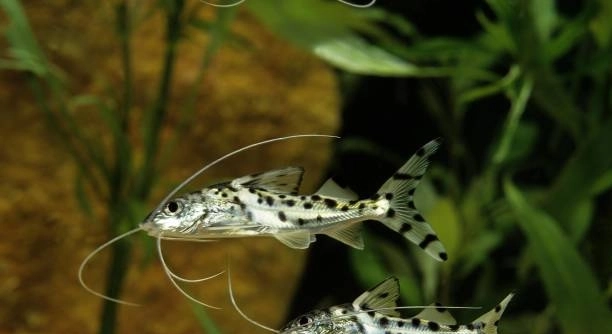
Pictus catfish are popular in home aquariums due to their active behavior and striking appearance. Many owners look for ways to improve their tank environment safely while keeping these fish comfortable and healthy. Proper modifications can enhance their habitat without causing harm.
Safe tank modifications for pictus catfish include adding smooth hiding spots, gentle water flow, adequate lighting, and soft substrate. These changes support natural behaviors, reduce stress, and maintain water quality, ensuring a balanced and healthy aquarium environment for the species.
Understanding these simple changes can improve your pictus catfish’s wellbeing. The following suggestions focus on practical and safe adjustments to enhance their tank experience.
Choosing the Right Substrate
Pictus catfish prefer a soft and smooth substrate that won’t harm their delicate barbels. Fine sand or smooth gravel is ideal because it mimics their natural riverbed environment. Avoid sharp or coarse materials that can cause injury or stress. A soft substrate also makes it easier for them to forage for food. Maintaining a clean substrate is important to prevent waste buildup, which can affect water quality. Regular vacuuming during water changes helps keep the substrate healthy. Adding a layer of organic material like leaf litter can provide natural hiding spots and promote beneficial bacteria. These bacteria help break down waste, improving tank conditions. The substrate choice impacts both the health and behavior of pictus catfish, making it a critical modification for tank safety and comfort. Choosing the right base will encourage natural activity and reduce the risk of injuries.
Using fine sand or smooth gravel supports the pictus catfish’s natural behavior and protects their sensitive barbels.
Regular substrate maintenance also keeps the tank cleaner and safer.
A proper substrate offers more than comfort—it supports good water quality and encourages the fish to explore. The soft base prevents abrasions on their barbels and fins while allowing them to dig and hunt naturally. Coarse materials can cause wounds, which may lead to infections. Leaf litter or driftwood placed on the substrate can add hiding places and mimic their natural habitat. These elements provide shelter and reduce stress by giving the fish places to rest. Proper substrate selection and care are simple but effective ways to create a safe and enriching tank environment.
Providing Adequate Hiding Spots
Pictus catfish are nocturnal and appreciate places to hide during the day. Providing smooth caves, driftwood, or dense plants helps them feel secure. These hiding spots reduce stress and encourage natural behavior. They also serve as resting areas and protect the fish from bright lights or tank disturbances.
Adding multiple hiding places is best because it gives the catfish options and prevents territorial disputes. Use materials free of sharp edges or toxins. Driftwood or PVC pipes can work well if cleaned properly. Live plants, like Java fern or Anubias, offer cover and improve water quality by absorbing nitrates. Creating a mix of natural and artificial shelters ensures the tank stays safe and interesting for your catfish. The variety helps keep them active and less stressed.
Secure hiding spots help pictus catfish relax and stay healthy. By providing these, you support their natural instincts and overall wellbeing.
Controlling Water Flow
Pictus catfish thrive in moderate water flow that mimics their natural river habitats. Too strong a current can stress them, while very low flow may reduce oxygen levels. It’s important to balance water movement for their health and comfort.
Using a gentle filter or adjusting powerheads helps create the right flow. Positioning equipment to avoid direct currents allows the fish to swim freely without constant resistance. Some owners add plants or decorations to diffuse water movement, creating calmer zones. Proper water circulation also supports oxygenation and waste removal, which benefits overall tank conditions.
Consistent flow encourages natural swimming patterns without tiring the fish. Monitoring your tank’s current ensures it matches the needs of pictus catfish. Adjustments may be necessary as the tank matures or stocking changes.
Maintaining Proper Lighting
Pictus catfish prefer dim lighting, as bright light can cause stress and reduce activity. Soft or shaded light helps replicate their natural shaded river environments, making them feel more secure and active.
Using low-intensity LED lights or placing floating plants can reduce brightness. A timer on the lighting system supports a regular day-night cycle, which is important for their health. Avoid sudden or intense lighting changes to prevent startling the fish. Proper lighting also supports live plants, which contribute to water quality and tank aesthetics. Balancing light intensity promotes a calm and healthy environment for your pictus catfish.
Temperature Control
Pictus catfish do best in water temperatures between 74°F and 79°F. Keeping the temperature stable within this range helps prevent stress and illness.
Using a reliable aquarium heater with a thermostat maintains consistent warmth. Sudden temperature changes can weaken their immune system.
Avoiding Sharp Decorations
Sharp or rough decorations can injure pictus catfish. Smooth surfaces like polished rocks and driftwood are safer choices.
Choosing safe materials protects their delicate barbels and fins from cuts or abrasions, reducing health risks in the tank.
Regular Water Changes
Frequent water changes are essential for maintaining water quality. Changing 20-30% weekly helps remove toxins and keep the environment healthy.
Clean water supports the pictus catfish’s well-being, reduces stress, and prevents diseases linked to poor water conditions.
Choosing Tank Mates
Pictus catfish are peaceful but active. Select tank mates that are similarly calm and avoid aggressive or overly territorial fish.
Compatible companions create a balanced community, reducing stress and promoting natural behavior for all species in the tank.
FAQ
What substrate is best for pictus catfish?
Pictus catfish do best with soft, smooth substrates like fine sand or small, rounded gravel. These prevent damage to their sensitive barbels. Avoid sharp or coarse materials that can cause injuries. A soft base also allows the catfish to forage naturally without harm.
How often should I change the water in a pictus catfish tank?
Regular water changes are crucial. Changing 20-30% of the water once a week helps remove toxins and keep water parameters stable. Clean water supports fish health, reduces stress, and prevents disease.
What is the ideal water temperature for pictus catfish?
Keep the water temperature between 74°F and 79°F (23°C–26°C). Consistency is important, so use a reliable heater with a thermostat to avoid sudden fluctuations that may stress the fish.
Are strong water currents good for pictus catfish?
No. Pictus catfish prefer moderate water flow that mimics their natural environment. Too strong a current can exhaust them, while too little flow might reduce oxygen levels. Position filters and powerheads carefully to create gentle currents.
What kind of hiding spots do pictus catfish need?
They need multiple hiding places like smooth caves, driftwood, and dense plants. These help reduce stress by providing shelter during the day, as they are nocturnal. Avoid rough or sharp decorations.
Can pictus catfish live with other fish?
Yes, but choose peaceful, similarly sized tank mates. Avoid aggressive or territorial species that could stress or harm them. Good companions include tetras, rasboras, and peaceful catfish species.
How bright should the lighting be?
Pictus catfish prefer dim lighting. Bright light can cause stress and make them hide. Use low-intensity LED lights or add floating plants to reduce brightness and mimic their natural shaded habitats.
Do pictus catfish need special food?
They are omnivores and enjoy a varied diet including sinking pellets, frozen or live foods like bloodworms, and occasional vegetables. Feeding small amounts two to three times a day helps maintain good health.
Why are my pictus catfish hiding all the time?
Hiding is normal during the day since they are nocturnal. However, excessive hiding could indicate stress from poor water quality, too bright lighting, or aggressive tank mates. Check these factors if they seem overly reclusive.
How large should the tank be for pictus catfish?
A minimum of 55 gallons is recommended for a small group, as pictus catfish are active swimmers who need space. More room allows them to display natural behaviors and reduces territorial stress.
Is it necessary to add plants to a pictus catfish tank?
Live plants are beneficial as they provide hiding spots, improve water quality, and help diffuse light. Hardy plants like Java fern and Anubias are good options because they tolerate lower light and don’t require much care.
Can I keep only one pictus catfish?
Pictus catfish are social and do better in groups of at least three. Keeping only one may lead to loneliness and stress. Groups encourage natural behaviors and make the fish feel more secure.
How do I prevent diseases in pictus catfish?
Maintaining clean water, stable temperature, and a balanced diet are key. Avoid overcrowding and quarantine new fish before adding them to the tank. Watch for signs of illness like lethargy or unusual spots.
What should I do if my pictus catfish injured their barbels?
Barbel injuries can heal if water quality is excellent and stress is minimized. Perform regular water changes and avoid sharp decorations. If infection occurs, consult a vet or aquatic specialist for treatment options.
Are pictus catfish nocturnal?
Yes, they are more active at night and prefer to hide during daylight hours. Providing adequate hiding spots helps them feel safe and supports their natural rhythms.
Can pictus catfish jump out of the tank?
They are known to jump occasionally, especially when stressed or frightened. A secure tank lid is important to prevent escapes and accidents.
Do pictus catfish require special filtration?
While no special filtration is needed, a filter that provides moderate water flow and good biological filtration is ideal. Proper filtration keeps water clean and oxygenated, supporting their health.
Pictus catfish are lively and interesting fish that can thrive well in a properly maintained aquarium. Making safe modifications to their tank environment helps support their natural behavior and overall health. Choosing the right substrate, providing hiding spots, controlling water flow, and maintaining appropriate lighting and temperature are key factors that contribute to their wellbeing. Each of these elements plays a role in creating a comfortable habitat that reduces stress and encourages active swimming and feeding.
Keeping the tank clean through regular water changes and avoiding sharp or harmful decorations are simple but essential steps. These actions protect the pictus catfish from injuries and illnesses that could arise from poor water quality or unsafe tank conditions. It is also important to select compatible tank mates and offer a balanced diet suited to their needs. Together, these care practices promote a stable and healthy aquarium where pictus catfish can thrive for many years.
Taking the time to understand your pictus catfish’s needs and adjusting the tank accordingly will enhance your experience as an owner. Safe tank modifications are not just about aesthetics but about supporting the fish’s natural lifestyle and longevity. By following these guidelines, you can create a harmonious environment that benefits both you and your fish, leading to a rewarding and enjoyable aquarium setup.

Hello,
If you enjoy the content that we create, please consider saying a "Thank You!" by leaving a tip.
Every little bit helps us continue crafting quality advice that supports the health, happiness, and well-being of pets around the world, for pets of all shapes, sizes, and species.
We really appreciate the kindness and support that you show us!