
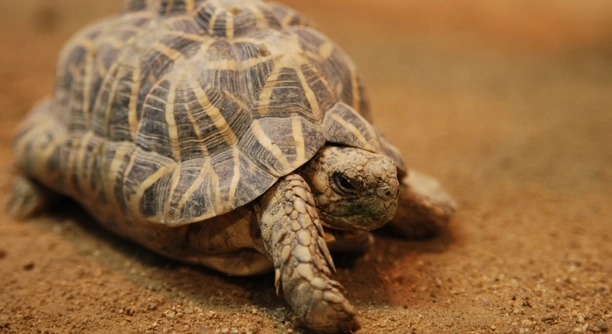
Turtles make fascinating pets, but setting up the right tank for them can be tricky. It’s important to create a safe and comfortable environment, especially for young turtles. The right accessories can make all the difference in their well-being.
Safe tank accessories for young turtles include items that ensure proper water conditions, provide hiding spots, and allow for basking. Essential accessories include a filter, basking platform, UVB lighting, water heater, decorations, thermometer, and turtle-safe substrate.
Understanding how each accessory works together will create the best setup for your turtle’s health. These items are necessary for maintaining the correct environment and ensuring your pet thrives.
Choosing the Right Tank Filter
A proper filter is essential for keeping your turtle’s water clean and healthy. Young turtles can be messy eaters, and their waste can quickly build up, affecting water quality. A filter helps remove debris and excess food, keeping the water fresh. Without one, harmful bacteria can grow, leading to possible health issues for your turtle.
In addition to keeping the water clean, a filter also helps maintain proper oxygen levels. This ensures your turtle has a healthy environment to swim and live in. It’s essential to select a filter that’s the right size for your tank. A filter that’s too small won’t clean the water properly, while one that’s too large may create strong currents that stress your turtle.
When choosing a filter, consider the size of the tank, the type of turtle, and the water’s filtration needs. For example, a canister filter may work well for larger tanks, while a simple internal filter could suffice for smaller setups. Regardless of the filter type, regular maintenance and cleaning are vital to ensure your turtle’s home stays clean and safe.
The Importance of a Basking Platform
A basking platform is an essential accessory for any turtle tank. Turtles need a dry place to climb onto and bask under a heat source.
Having a basking platform provides a space for your turtle to rest, dry off, and regulate its body temperature. It helps with digestion and allows your turtle to stay healthy. Be sure to place it close to the heat source for optimal basking.
Providing UVB Lighting
UVB lighting is crucial for your turtle’s health. It helps them absorb calcium, which is necessary for strong bones and shell development. Without UVB light, your turtle may develop metabolic bone disease, which can be serious. Choose a high-quality bulb designed specifically for reptiles.
UVB bulbs should be placed above the basking area to allow your turtle to absorb the rays effectively. These lights typically need to be replaced every six months, even if they still light up. Over time, UVB rays lose their effectiveness, so it’s important to maintain a regular schedule for changing them.
Make sure the UVB light is on for around 10–12 hours each day, mimicking natural sunlight. Too little exposure can lead to health problems, while too much exposure may cause stress. Balance is key when it comes to providing UVB lighting for your turtle’s well-being.
Water Heater for Temperature Control
A water heater keeps the water at a stable temperature, which is vital for your turtle’s health. Turtles are cold-blooded, meaning they rely on their environment to regulate body temperature.
If the water is too cold, your turtle can become sluggish and have difficulty digesting food. On the other hand, excessively warm water can lead to overheating and dehydration. A reliable water heater ensures your turtle stays active and comfortable.
When choosing a water heater, be sure it matches the size of your tank. Consider an adjustable heater to control the temperature. Keep the water around 75-80°F (24-27°C) for most turtle species. Also, check regularly to avoid sudden temperature changes.
Choosing the Right Tank Substrate
Tank substrate is the material that lines the bottom of your turtle’s tank. It’s essential for maintaining a clean and natural habitat. Choose a non-toxic, easy-to-clean substrate like river rocks or sand. Avoid fine gravel or small particles that can be ingested and cause digestive issues.
The substrate helps anchor plants and decorations, providing hiding spots and areas for foraging. It also makes the tank look more appealing, creating a space where your turtle can feel comfortable. Keep the substrate clean by performing regular water changes and substrate maintenance.
Tank Decorations
Decorations are not only for aesthetics but also provide enrichment for your turtle. Items like caves, rocks, or driftwood give your turtle places to explore, hide, and bask. These decorations help replicate a more natural environment.
Make sure the decorations are turtle-safe and won’t harm your pet. Avoid anything with sharp edges or toxic materials. Regularly check for signs of wear or damage to ensure your turtle remains safe. A well-decorated tank also reduces stress and promotes active behavior in your turtle.
FAQ
How often should I clean my turtle’s tank?
You should clean your turtle’s tank regularly to maintain a healthy environment. Perform partial water changes every week to remove debris and waste. Deep cleaning should be done monthly, which includes scrubbing the tank walls, replacing the substrate, and cleaning the filter. The more often you clean, the better your turtle’s health will be, as it reduces the buildup of harmful bacteria.
Can I use tap water for my turtle’s tank?
Yes, you can use tap water, but it’s important to treat it before adding it to the tank. Tap water often contains chlorine and chloramine, which can harm your turtle. Use a water conditioner to neutralize these chemicals and make the water safe. You should also check the water’s pH and hardness to make sure it’s suitable for your turtle.
What temperature should the water be in my turtle’s tank?
The ideal water temperature for most turtles is between 75°F and 80°F (24°C–27°C). This range keeps them active and ensures proper digestion. Use a reliable water heater to maintain a consistent temperature. Avoid drastic temperature fluctuations, as they can cause stress or health issues for your turtle.
How can I tell if my turtle is healthy?
Healthy turtles are active, eat regularly, and have clear, bright eyes. They should swim smoothly and not have trouble moving around. Check their shell regularly for signs of damage or disease, like soft spots, discoloration, or growths. Also, make sure your turtle is basking under a heat source, which is a sign that it’s regulating its body temperature properly.
Do turtles need a basking light?
Yes, turtles need a basking light to regulate their body temperature and aid in the absorption of UVB rays. UVB lighting is essential for calcium metabolism and shell health. Place the basking light directly over the basking area and ensure it’s on for about 10–12 hours daily to mimic natural daylight.
Can turtles live in a tank without a filter?
While it’s technically possible to keep a turtle in a tank without a filter, it’s not recommended. Turtles produce a lot of waste, and a filter helps keep the water clean and reduces the risk of bacteria buildup. Without a filter, you will need to clean the tank much more frequently, which can be time-consuming and affect your turtle’s health.
What type of food should I feed my turtle?
Young turtles need a balanced diet that includes both animal-based and plant-based foods. Offer commercial turtle pellets, as well as fresh vegetables like leafy greens, carrots, and squash. You can also provide small amounts of protein like worms, crickets, or fish. Make sure to vary their diet to keep it nutritious and interesting.
How big should the tank be for my turtle?
The size of the tank depends on your turtle’s size. As a general rule, the tank should be at least 10 gallons for each inch of the turtle’s shell length. For example, a 4-inch turtle needs a 40-gallon tank. Keep in mind that turtles grow quickly, so you may need to upgrade to a larger tank as your turtle matures.
Can I keep multiple turtles in the same tank?
Yes, you can keep multiple turtles in the same tank, but be mindful of their social behavior. Some turtles are territorial, and fights may break out if they don’t have enough space. Ensure the tank is large enough for each turtle to have its own basking spot and swimming area to reduce stress and competition.
How do I prevent my turtle from getting sick?
Preventing illness in turtles requires maintaining a clean environment, providing proper lighting, heating, and a balanced diet. Regularly check the water quality and make sure the tank is free of waste. Also, avoid overfeeding, as it can lead to obesity and other health problems. Ensure that your turtle has access to both water and a dry basking area.
Final Thoughts
Setting up the right environment for your young turtle is key to ensuring it grows healthy and happy. Providing safe tank accessories such as a proper filter, UVB lighting, a basking platform, and a water heater can make a big difference in your turtle’s well-being. It’s also essential to maintain the right temperature, offer a balanced diet, and provide enough space for your turtle to thrive. Taking the time to get these details right will lead to a much happier pet and a safer home for your turtle to enjoy.
While each accessory serves a unique purpose, it’s important to remember that your turtle’s health is ultimately dependent on consistency. Regular cleaning of the tank, proper maintenance of the accessories, and making sure the water conditions are right should be part of your routine. Don’t forget that turtles are very sensitive to changes in their environment. Whether it’s changes in temperature, water quality, or lighting, sudden shifts can lead to stress or even illness, so keeping the tank stable is crucial.
Lastly, it’s always worth checking up on your turtle’s behavior. Turtles can’t communicate with us directly, but they show us how they’re feeling through their actions. If your turtle is eating well, swimming actively, and spending time basking, that’s a good sign that everything is working as it should. By providing the right accessories and ensuring their tank environment is optimal, you’ll be able to enjoy many years of companionship with your turtle.

Hello,
If you enjoy the content that we create, please consider saying a "Thank You!" by leaving a tip.
Every little bit helps us continue crafting quality advice that supports the health, happiness, and well-being of pets around the world, for pets of all shapes, sizes, and species.
We really appreciate the kindness and support that you show us!