
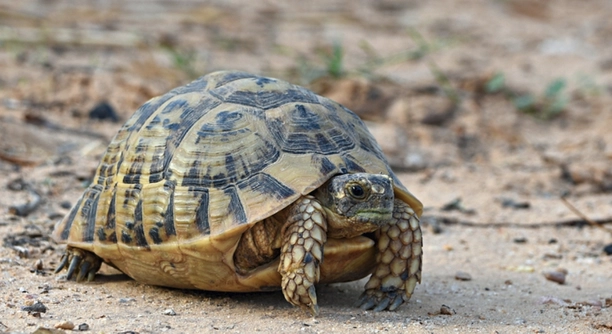
Choosing the right substrate for your Greek tortoise’s habitat is an important step to ensure their well-being. It can be tricky to find the best material, as there are many factors to consider for your pet’s health and comfort.
The ideal substrates for Greek tortoises should promote natural behaviors, such as digging and burrowing, while maintaining proper humidity levels and avoiding harmful chemicals. Materials like organic soil, coconut coir, and reptile-safe sands are all viable options.
Finding the perfect substrate is essential for your tortoise’s habitat. We’ll explore safe and suitable options that help provide a comfortable, healthy environment for your beloved pet.
Organic Soil: A Natural Choice
Organic soil is a great option for your Greek tortoise’s habitat. It mimics their natural environment, allowing them to burrow and dig just like they would in the wild. The soil retains moisture well, which helps maintain proper humidity levels for your tortoise. It’s important to choose soil that is free of pesticides and fertilizers. You can find organic soil in most garden stores, but be sure to check the label to ensure it’s safe for reptiles. Mixing it with other materials like coconut coir can also improve the texture and moisture balance.
The moisture retention of organic soil is vital for Greek tortoises, especially in drier climates. However, be mindful of the humidity levels in their habitat to avoid overly wet conditions. You can monitor the soil’s moisture with a simple humidity gauge to ensure it’s not too dry or too wet.
When using organic soil, keep in mind that it can get messy, especially if you have a more active tortoise. It may require frequent spot cleaning and occasional replacement to maintain a healthy environment. Nonetheless, it’s an affordable and natural choice for a substrate that meets your tortoise’s needs.
Coconut Coir: A Versatile Option
Coconut coir is made from the fibers of coconut husks. It’s a popular choice for reptile habitats because of its moisture retention and ability to provide a soft yet firm surface for tortoises to roam on. It’s safe and biodegradable, making it a sustainable choice as well. Coconut coir is also naturally resistant to mold and fungi, which is a big plus for your pet’s health.
This material can be mixed with other substrates to enhance the habitat. It also provides a good balance between moisture and airflow. While coir can get a bit dusty, it’s easy to maintain. Simply spot clean it regularly and replace it as needed to keep your tortoise’s space clean and comfortable. The coir’s texture also encourages natural behavior like digging, making it a solid option for your Greek tortoise’s home.
Reptile-Safe Sand: A Suitable Option
Reptile-safe sand is a good choice for Greek tortoises that enjoy digging and burrowing. Unlike regular sand, reptile-safe sand is cleaned and sterilized to ensure it is free from harmful chemicals. It also allows for proper drainage, helping to maintain a dry environment.
While sand can be a great substrate, it’s important to avoid using it exclusively. It can sometimes become compacted, causing issues with humidity. To avoid this, mix the sand with other materials like coconut coir or organic soil. This will help maintain a balanced, healthy environment for your tortoise.
Sand encourages natural behavior and can add variety to your tortoise’s habitat. However, always ensure the sand you use is safe for reptiles. Avoid using products with dyes or additives, as these can be harmful to your tortoise’s health over time.
Grass Mats: A Natural Alternative
Grass mats are a great option for a low-maintenance substrate. These mats are typically made from natural fibers and mimic the grassy areas that Greek tortoises often roam in the wild. They are easy to clean and can be replaced when worn out.
Grass mats also provide a solid surface for your tortoise to walk on without becoming too slippery. They are breathable, allowing for proper airflow in the habitat, and they can help regulate humidity. Additionally, grass mats are gentle on your tortoise’s feet, making them a comfortable choice.
While grass mats are useful, they may not support digging behavior, which is important for Greek tortoises. You can combine them with other substrates that allow for burrowing, offering your tortoise a variety of textures and experiences. Replacing the mats regularly will keep the habitat fresh and clean.
Sphagnum Moss: Helpful for Humidity
Sphagnum moss can be a helpful addition to your tortoise’s habitat to maintain humidity. It holds moisture well and provides a soft, natural surface for your Greek tortoise. It’s especially useful for tortoises that need extra humidity to stay healthy.
Though moss is effective at retaining moisture, it should be used in moderation. It’s a great addition for creating humid spots, but it can cause mold growth if left too damp. Regularly check the moss for any signs of mold and replace it as needed.
Moss can be mixed with other substrates like organic soil or coconut coir. This allows for better moisture control while ensuring that the tortoise’s environment stays dry enough to avoid health risks. It also helps provide a natural setting for your tortoise to explore.
Cypress Mulch: A Safe and Moisture-Retaining Option
Cypress mulch is a good choice for a Greek tortoise habitat. It provides a safe, natural substrate that helps maintain humidity and retains moisture. It’s gentle on your tortoise’s feet and encourages digging, making it ideal for tortoises that like to burrow.
This mulch is also mold-resistant and helps keep the environment fresh. It’s important to select mulch that’s free from chemicals or additives. Use it in combination with other substrates to create a more varied habitat that suits your tortoise’s needs. Cypress mulch is easy to clean and maintain, requiring regular spot checks for cleanliness.
While cypress mulch is a great option, it can break down over time. It’s a good idea to replace the mulch when it starts to deteriorate. This will ensure your tortoise’s habitat remains clean and comfortable.
FAQ
What type of substrate is best for Greek tortoises?
The best substrate for Greek tortoises should mimic their natural environment, providing space to dig and maintaining proper humidity levels. Organic soil, coconut coir, and reptile-safe sand are all excellent choices. Mixing substrates, like combining sand with soil or coir, can also create a balanced environment that supports both humidity and comfort for your tortoise.
Can I use regular garden soil for my Greek tortoise’s habitat?
Regular garden soil may contain pesticides, fertilizers, or other chemicals that can harm your tortoise. It’s important to choose organic soil, free of chemicals, to ensure safety. Organic soil is a natural option that mimics their natural environment, making it a suitable choice for your tortoise’s habitat. Always check the label to avoid any harmful additives.
How often should I replace the substrate in my Greek tortoise’s habitat?
The substrate should be replaced or cleaned regularly to maintain a healthy environment. Organic soil or coir may need to be replaced every few months, depending on your tortoise’s activity level and waste production. Sand and other materials like cypress mulch might need replacement every 6-8 weeks. Spot cleaning daily helps keep the habitat fresh between full replacements.
Can I use sand in my Greek tortoise’s enclosure?
Reptile-safe sand is an acceptable option, especially if your tortoise enjoys burrowing. However, it should be mixed with other materials, such as coconut coir or organic soil, to avoid creating a compacted environment. Sand alone can sometimes retain too little moisture or lead to a dry, dusty habitat.
Should I use moss for humidity control in my tortoise’s habitat?
Sphagnum moss is great for maintaining humidity in a Greek tortoise’s habitat. It retains moisture and creates humid spots where your tortoise can roam. However, it should be used in moderation and regularly checked for mold. Over-wetting the moss can lead to mold growth, which can be harmful to your tortoise.
Is it safe to use artificial turf as a substrate for Greek tortoises?
While artificial turf is easy to clean and provides a solid surface, it doesn’t allow for burrowing or mimic natural conditions. It can also trap heat and moisture, leading to an unhealthy environment if not monitored. If you choose to use artificial turf, make sure it’s safe for reptiles and combine it with other substrates to provide variety.
Can I use wood shavings in my Greek tortoise’s enclosure?
Wood shavings, such as pine or cedar, should be avoided as a primary substrate for Greek tortoises. These types of wood contain oils and compounds that can be harmful to your tortoise’s health. Instead, use safer options like cypress mulch or coconut coir, which provide the right environment without posing any risks.
Is it important to create a digging area for my Greek tortoise?
Yes, Greek tortoises are natural diggers and need a substrate that allows them to dig and burrow. Providing an area with deeper, softer substrate will encourage natural behaviors and ensure your tortoise stays mentally and physically active. A mix of organic soil or coconut coir is ideal for burrowing.
What’s the best way to maintain the humidity level in my tortoise’s habitat?
To maintain proper humidity, use substrates that retain moisture, like coconut coir or sphagnum moss. You can also mist the habitat or add a humidity box to provide extra moisture. Avoid keeping the environment too wet, as excess humidity can cause health issues like respiratory infections. Regularly monitor humidity levels with a hygrometer to ensure balance.
Can I use a single type of substrate, or should I mix different types?
Mixing substrates is often the best approach for Greek tortoises. Combining materials like sand, organic soil, and coconut coir helps to create a more natural environment. This gives your tortoise a variety of textures and conditions to explore. A mixed substrate can also help with moisture control and temperature regulation, ensuring a comfortable and healthy habitat.
Final Thoughts
Choosing the right substrate for your Greek tortoise is an important step in setting up a healthy and comfortable habitat. The substrate you choose should be safe, easy to clean, and promote natural behaviors like digging and burrowing. Organic soil, coconut coir, reptile-safe sand, and other natural options are all suitable choices, each with its own benefits. The key is to provide a mixture that supports humidity control, comfort, and cleanliness while allowing your tortoise to feel secure in its environment.
It’s essential to keep the habitat clean and monitor the condition of the substrate regularly. Over time, the substrate can break down or get soiled, which may affect the overall environment. You should spot clean daily and replace the substrate as needed to maintain a safe living space for your tortoise. The health of your tortoise depends on the environment you provide, so regularly checking the humidity levels and ensuring the substrate remains free of mold or contaminants is vital.
Lastly, it’s always a good idea to observe how your tortoise interacts with its habitat. If it’s digging, burrowing, or exploring as expected, you’re on the right track. However, if you notice any signs of discomfort or poor health, such as lethargy or changes in behavior, it might be time to reassess the substrate or humidity levels. Providing the right environment, including suitable substrate choices, will help your tortoise thrive in its habitat for years to come.

Hello,
If you enjoy the content that we create, please consider saying a "Thank You!" by leaving a tip.
Every little bit helps us continue crafting quality advice that supports the health, happiness, and well-being of pets around the world, for pets of all shapes, sizes, and species.
We really appreciate the kindness and support that you show us!