
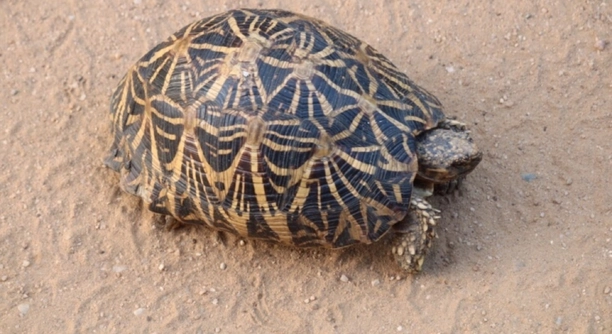
Indian Star Tortoises require a balanced diet for good health, and protein plays a crucial role in their nutrition. Knowing which safe protein sources to offer is essential for their overall well-being.
There are several safe protein sources that can be included in an Indian Star Tortoise’s diet, such as boiled eggs, tofu, insects, and leafy greens. It is important to offer these in moderation to avoid any health issues like kidney stress.
Choosing the right protein sources can contribute to the longevity and vitality of your Indian Star Tortoise. Understanding which foods to include is key to providing them with the best diet possible.
Boiled Eggs: A Great Source of Protein
Boiled eggs are one of the best protein sources for Indian Star Tortoises. Eggs are rich in essential nutrients, such as protein and healthy fats, which help support your tortoise’s growth and overall health. You can feed them one or two small pieces of egg at a time, ensuring it’s well-cooked to avoid any potential bacterial risk. Remember, moderation is key. Overfeeding eggs can cause an imbalance in their diet, leading to possible digestive problems.
Offering eggs once or twice a week will give your tortoise a nutritious boost without overloading them with protein. Be sure to remove the shell, as it may not be easy for your tortoise to digest.
While eggs are packed with nutrition, you should balance them with other foods to avoid over-reliance on one source. A varied diet will help ensure your tortoise gets a full range of nutrients. Protein from eggs, when given in the right amount, can make a big difference in their health and vitality. Keep it simple, but don’t forget variety.
Tofu: A Plant-Based Protein
Tofu can be an excellent addition to your tortoise’s diet.
Tofu is a plant-based protein, making it ideal for those looking for a vegetarian option. It’s rich in protein, calcium, and iron, which are all essential for bone development and overall health. You can serve small pieces of tofu to your tortoise a few times a week.
Insects: A Natural Protein Source
Insects are a natural and healthy protein option for Indian Star Tortoises. Small insects like crickets, mealworms, and waxworms provide high-quality protein that helps with muscle growth and overall energy.
Feeding your tortoise insects can add variety to its diet, keeping it interested in mealtime. However, make sure the insects are gut-loaded, meaning they’ve been fed a nutritious diet themselves, so your tortoise gets the best possible benefit. You can buy them live or freeze-dried, but live insects tend to be more engaging and appealing to your tortoise.
Avoid feeding insects that are too large or hard to digest, as this can cause digestive discomfort. It’s best to feed them in small quantities, ensuring a balanced diet. Too many insects can lead to an imbalance in their nutrition, so moderation is essential.
Leafy Greens: Essential for Protein
Leafy greens like dandelion greens, collard greens, and mustard greens are excellent additions to your tortoise’s protein intake.
Greens provide not only protein but also essential vitamins and minerals. These leafy vegetables help with digestion, and they are a source of fiber, calcium, and antioxidants. While they’re not as protein-dense as eggs or insects, they still contribute significantly to your tortoise’s health when included in its regular diet. Always wash them thoroughly to remove any pesticides or chemicals that could harm your tortoise.
Feeding leafy greens on a daily basis is beneficial for maintaining a balanced diet. Make sure to offer a variety of greens to prevent your tortoise from getting bored with its food. The combination of protein and nutrients from leafy greens will contribute to healthy growth and energy. A varied diet helps your tortoise stay active and healthy in the long run.
Earthworms: Rich in Protein
Earthworms are a high-protein food source for your Indian Star Tortoise. They’re natural, nutritious, and easy to digest, making them an excellent choice for your tortoise’s diet.
Offering earthworms is a good way to provide variety. However, be careful to avoid overfeeding them as they can be rich in fat. Moderation is important.
Fish: A Protein Boost
Fish, such as small portions of white fish or tilapia, can offer your tortoise a healthy protein boost. It’s important to serve fish in small amounts because of its high-fat content. Too much fish can lead to health problems like kidney issues, so balance it with other foods.
FAQ
How often should I feed protein to my Indian Star Tortoise?
Protein should be offered in moderation, about two to three times a week. Overfeeding protein can lead to kidney stress or other health issues. Focus on providing a balanced diet that includes vegetables, fruits, and fiber as well. Remember, variety is key. You don’t want to rely too heavily on one type of food for your tortoise’s nutrition. A good mix of protein sources along with leafy greens and calcium-rich foods will help ensure a healthy, well-rounded diet.
Can I feed my tortoise raw eggs?
Raw eggs are not recommended for tortoises due to the potential risk of salmonella. It’s always better to feed boiled or scrambled eggs to ensure they’re safe. Boiling the egg completely eliminates any bacterial risks and makes it easier for your tortoise to digest. If you decide to serve scrambled eggs, make sure they are free from butter or oil to keep them as healthy as possible. Moderation is still important, even with cooked eggs.
Are all insects safe for my tortoise?
Not all insects are safe for your tortoise. Stick to commonly available insects like crickets, mealworms, and waxworms. Avoid feeding insects you catch outside, as they may have been exposed to pesticides or other harmful chemicals. Additionally, make sure any insects you feed are gut-loaded, meaning they’ve been fed nutritious foods to pass on to your tortoise. It’s also a good idea to dust insects with a calcium supplement to promote bone health.
Can I feed my tortoise fish every day?
Feeding fish daily is not recommended due to its high-fat content. Fish can be a good protein source, but it should only be an occasional treat. Once or twice a week is sufficient, and you should always remove any bones to prevent choking hazards. Too much fish can lead to imbalances in your tortoise’s diet, especially when it comes to fats. Stick to other protein sources like eggs or insects for more frequent meals.
What are the best leafy greens for protein?
Some of the best leafy greens for tortoises include dandelion greens, collard greens, and mustard greens. These greens are packed with essential nutrients, such as protein, calcium, and fiber, which are crucial for your tortoise’s health. Be sure to offer a variety of leafy greens to ensure a balanced diet. Avoid spinach, as it contains oxalates that can interfere with calcium absorption. Always wash your greens thoroughly before feeding them to your tortoise to remove any harmful chemicals or pesticides.
How do I know if I’m overfeeding protein to my tortoise?
Signs of overfeeding protein include weight gain, lethargy, or problems with urination. If your tortoise is not as active as usual or is having trouble digesting its food, it may be a sign of too much protein. Ensure that protein makes up only a small portion of their diet and that it’s balanced with fiber-rich vegetables and greens. If you notice any changes in behavior or health, consider adjusting their diet and consult a vet if needed.
Can I feed my tortoise tofu every day?
Tofu can be a healthy addition to your tortoise’s diet, but it should not be fed every day. While tofu is a good plant-based protein source, too much of it can lead to an imbalance in their nutrition. Offering tofu once or twice a week is a safe approach. Pair tofu with other vegetables and protein sources to create a balanced and varied diet for your tortoise. Moderation is always important when it comes to plant-based proteins.
Are there any protein sources I should avoid?
Avoid feeding your tortoise processed meats, such as sausages, bacon, or any meat with added preservatives. These can be high in fat and sodium, which are harmful to your tortoise’s health. Similarly, avoid feeding them dairy products, as they are not digestible for reptiles. Stick to natural, whole foods such as eggs, tofu, insects, and leafy greens for the best results. It’s essential to always prioritize natural and safe food choices to prevent any digestive or health issues.
Can I feed my tortoise cheese or other dairy products?
Dairy products, like cheese and milk, should be avoided. Tortoises are lactose intolerant, and dairy can cause digestive issues, leading to discomfort or diarrhea. Stick to safe protein sources like eggs, insects, and plant-based options. Always ensure that you’re providing foods specifically suitable for tortoises to avoid any unnecessary health complications. Dairy is not a suitable protein source for them.
Is it safe to feed my tortoise raw vegetables?
Most raw vegetables are safe for your tortoise, but there are some exceptions. For example, raw potatoes and other starchy vegetables should be avoided as they can upset their digestive system. Most leafy greens and non-starchy vegetables are fine when raw. Always wash vegetables thoroughly before feeding them to your tortoise to remove pesticides. Mixing raw veggies with other food sources is a good way to ensure a well-balanced diet.
How can I provide variety in my tortoise’s protein sources?
Providing variety in your tortoise’s diet is simple. Rotate between different protein sources, such as boiled eggs, insects, tofu, and small portions of fish. Offering different types of greens and vegetables also adds variety to their meals. The goal is to avoid feeding the same food every day, which helps ensure that your tortoise gets a balanced intake of all the necessary nutrients. Regularly changing their diet will also keep mealtime exciting for them.
Final Thoughts
Feeding an Indian Star Tortoise a balanced diet is essential for its health and well-being. Providing a variety of protein sources ensures that your tortoise gets the necessary nutrients it needs for growth, energy, and proper function. From boiled eggs and tofu to insects and leafy greens, there are many safe options that can be included in their diet. However, moderation is key when offering protein-rich foods. Too much of one thing, especially protein, can lead to health problems like kidney stress or digestive issues. The goal should be to give them a well-rounded diet that supports their unique needs.
It’s important to remember that protein is only one part of the puzzle. While it’s necessary for your tortoise’s health, other nutrients like calcium, fiber, and vitamins are equally important. A variety of leafy greens, vegetables, and even occasional fruits can help provide these nutrients. Make sure your tortoise’s diet consists not only of protein but also of plenty of fiber and calcium, which are crucial for maintaining strong bones and a healthy digestive system. A balanced, diverse diet will keep your tortoise active and healthy in the long term.
Every tortoise is different, and their needs may change over time depending on age, activity level, and health. It’s important to observe your tortoise and adjust their diet as necessary. If you notice any signs of imbalance, such as lethargy or difficulty with digestion, it’s a good idea to reassess the foods you’re offering. Consulting a vet for specific advice on diet or any health concerns can also be helpful. By keeping their diet varied, nutritious, and balanced, you can ensure your Indian Star Tortoise stays healthy and happy for years to come.

Hello,
If you enjoy the content that we create, please consider saying a "Thank You!" by leaving a tip.
Every little bit helps us continue crafting quality advice that supports the health, happiness, and well-being of pets around the world, for pets of all shapes, sizes, and species.
We really appreciate the kindness and support that you show us!