
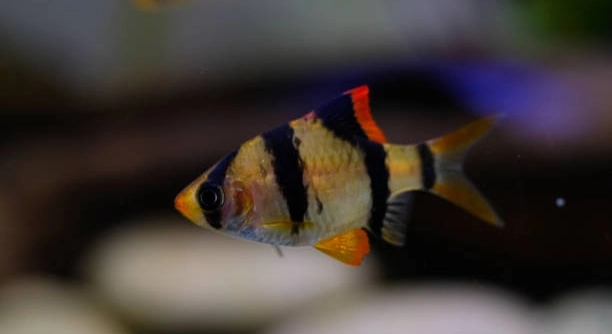
Are your tiger barbs nibbling at your aquarium plants, leaving your tank looking messy and stressed? You’re not alone in facing this common challenge with active, plant-picking fish like these.
The best plants for tiger barb aquariums are hardy, fast-growing, and unappetizing to fish. Ideal choices include Java fern, Anubias, Amazon sword, Hornwort, Water sprite, Vallisneria, and Marimo moss balls.
Each plant on this list offers something unique, from durability to visual appeal, helping create a safe and balanced environment for your tiger barbs.
Java Fern: A Strong and Reliable Choice
Java fern is one of the most dependable plants you can add to a tiger barb tank. It doesn’t require much light and doesn’t need to be buried in the substrate. Instead, it can be attached to driftwood or rocks. This makes it ideal for setups where tiger barbs tend to dig or uproot plants. The thick, leathery leaves are unappealing to fish, so they usually avoid nibbling on them. It grows slowly but steadily, creating a natural look over time without taking over the tank. Its ability to thrive in different conditions adds to its appeal.
This plant is perfect if you’re looking for something low-maintenance that also holds up well in active tanks. It blends into the background while giving your aquarium a natural feel.
Java fern is also useful if you have a smaller tank. It doesn’t grow too large or spread too quickly. It adapts easily, stays healthy in various water conditions, and requires little care once established. You only need to tie it down and let it do its thing. Occasional trimming will help keep its shape neat. If your tank has moderate lighting and good circulation, this plant will thrive with very little effort from you.
Anubias: Hardy and Attractive
Anubias is another safe plant that works well with tiger barbs. It’s hardy, slow-growing, and can survive in a variety of tank conditions.
This plant is easy to care for and can be tied to rocks, driftwood, or decorations. Like Java fern, it does not need to be planted in the substrate, which helps prevent uprooting. The thick, broad leaves are strong and generally not appealing to tiger barbs. You can keep it under low to moderate lighting, and it will still grow steadily over time. Anubias is a practical choice for tanks that don’t use CO₂ or complex setups. It looks great in both foreground and midground positions, adding structure without crowding your space. While it grows slowly, the strong leaves stay intact even with playful or active fish swimming nearby. This makes it a good background plant for busy community tanks where durability matters more than fast growth.
Amazon Sword: A Classic for Larger Tanks
Amazon swords work best in medium to large tanks where there’s enough room for their wide leaves. Their sturdy structure makes them less likely to be uprooted or eaten by tiger barbs.
This plant needs to be rooted in nutrient-rich substrate to thrive. It benefits from moderate to high lighting and occasional root tabs to stay vibrant and healthy. While the broad leaves may attract some attention from tiger barbs, the plant generally holds up well due to its tough texture. As it grows, it provides shade and shelter for fish, which helps reduce stress. Regular trimming is needed to prevent it from overshadowing smaller plants or crowding the tank. Though it requires a bit more care than some other options, it’s still manageable and well-suited for planted tanks with active species like tiger barbs.
Amazon sword can become a central feature in your aquarium. Its long leaves create vertical interest and give your tank a full, lush appearance. If you have a background or midground area to fill, this plant adds depth without making the tank feel cramped. Just make sure there’s space around it to allow light to reach the rest of your plants. Balanced lighting and nutrients will keep its growth steady and attractive.
Hornwort: Fast-Growing and Flexible
Hornwort grows quickly and can be floated or anchored, giving you flexibility in how you use it in the tank. It doesn’t need soil and grows well in different lighting setups, even without added CO₂.
This plant is especially helpful in keeping the water quality stable, as it absorbs excess nutrients and helps reduce algae. Its feathery leaves provide hiding spots and soften water flow, which can help calm your fish. Tiger barbs rarely eat hornwort because of its rough texture. However, it does shed needles from time to time, which can make tank maintenance slightly more frequent. It’s still a great option if you want something that grows fast and offers instant coverage. Just trim it regularly to keep it under control. If left unchecked, it can take over the tank quickly. Its hardiness and ease of care make it ideal for beginners and experienced aquarists alike.
Water Sprite: Light and Lively
Water sprite grows fast and can be used as a floating or rooted plant. It adapts well to different tank setups and lighting conditions, making it a convenient choice for most aquariums.
Its delicate leaves provide great cover for fish and help soften the light that enters the tank. Tiger barbs usually ignore it, especially when it’s floating.
Vallisneria: Tall and Graceful
Vallisneria is perfect for background planting. It grows tall, sending out ribbon-like leaves that sway with the current. It spreads through runners, so it gradually fills in the space without taking over too quickly. Moderate light and a basic substrate are enough to keep it growing well. While it doesn’t require CO₂, it does benefit from occasional fertilization. Tiger barbs tend to leave it alone due to its tougher leaves and upright shape. This plant also improves oxygen exchange and creates a calm environment, which is helpful in an active tank. You can trim it easily if it gets too tall or starts shading other plants.
Marimo Moss Balls: Soft and Simple
Marimo moss balls are low-maintenance and great for keeping algae under control. Tiger barbs usually don’t bother them, making them a safe and easy addition to most setups.
What plants do tiger barbs usually eat?
Tiger barbs tend to nibble on soft, delicate plants with thin leaves. Examples include Java moss, duckweed, and some types of floating plants. These are easy for them to bite and shred. Plants with tender leaves or weak stems usually don’t last long in a tank with active tiger barbs.
Are there plants that tiger barbs won’t eat at all?
Yes, tiger barbs generally avoid plants with tough, thick, or leathery leaves. Java fern, Anubias, and Amazon swords are good examples. These plants are harder to chew and less appealing. Moss balls and hornwort also tend to be left alone because of their texture and growth patterns.
How can I protect plants from tiger barb nibbling?
Using hardy plants that tiger barbs dislike is the first step. You can also anchor plants securely so fish cannot uproot them. Adding plenty of hiding spots and decorations reduces fish stress and makes them less likely to damage plants out of boredom. Some hobbyists use plant guards or nets for delicate species.
Do tiger barbs need live plants in their tanks?
Live plants are not strictly necessary but highly beneficial. They improve water quality by absorbing nitrates and providing oxygen. Plants also offer hiding places and reduce aggression among tiger barbs. A planted tank mimics their natural environment, contributing to fish health and well-being.
How often should I trim plants in a tiger barb tank?
Trimming depends on the plant species and growth rate. Fast growers like hornwort and water sprite need regular pruning to prevent overcrowding. Slow growers such as Anubias and Java fern require less frequent trimming, mainly to remove dead or damaged leaves. Regular maintenance helps keep the tank balanced.
Can tiger barbs live happily without plants?
Tiger barbs can survive without plants if the environment is well-maintained. However, plants help reduce stress and aggression by providing cover. Without plants, fish may become more territorial or restless. Incorporating live plants improves tank stability and promotes natural behavior.
Are floating plants safe for tiger barbs?
Floating plants like water sprite are generally safe but can be uprooted if not secured. They provide shade and help reduce light intensity, which can calm fish. Tiger barbs may nibble on floating plants occasionally, but hardy species usually withstand any damage.
What substrate is best for planted tiger barb tanks?
A nutrient-rich substrate helps root plants like Amazon sword and Vallisneria grow well. For plants like Java fern and Anubias, substrate type is less critical since they attach to decorations. A fine gravel or sand substrate works well overall, supporting healthy plant growth and easy cleaning.
How do I prevent algae when keeping live plants with tiger barbs?
Maintaining good water quality, proper lighting, and balanced nutrients prevents excessive algae growth. Fast-growing plants like hornwort compete with algae for nutrients. Regular water changes and avoiding overfeeding reduce algae risks. Adding algae-eating species can also help keep algae in check.
Is CO₂ injection necessary for a tiger barb planted tank?
CO₂ injection is not essential for most plants safe with tiger barbs. Hardy plants like Java fern, Anubias, and Vallisneria grow well without added CO₂. However, if you want faster growth or more demanding plants, CO₂ can boost health but requires careful monitoring in a tank with active fish.
These answers aim to help you choose and maintain plants that thrive with tiger barbs. Selecting hardy, compatible species and keeping tank conditions stable ensures both plants and fish stay healthy and happy together.
Choosing the right plants for a tiger barb aquarium makes a big difference in maintaining a healthy and balanced tank. Tiger barbs are active and curious fish, so they can be rough on plants that are delicate or soft. It is important to select plants that are tough enough to withstand their nibbling and movement. Plants like Java fern, Anubias, and Amazon sword are excellent choices because they have strong leaves that tiger barbs tend to avoid. These plants not only survive but also add natural beauty and structure to the tank, helping to create a more comfortable environment for the fish.
In addition to selecting hardy plants, it is helpful to consider how each plant fits into the tank’s layout. Taller plants such as Vallisneria and Amazon sword work well in the background, providing shelter and cover. Midground plants like Anubias and Java fern create visual interest without overcrowding the space. Floating plants such as water sprite offer shade and hiding spots while helping to control light and nutrient levels. Together, these plants improve water quality by absorbing excess nutrients and producing oxygen, which benefits the fish. Keeping the tank well-planted can also reduce stress and aggressive behavior among tiger barbs, making the aquarium a more peaceful place.
Maintenance is an important part of keeping plants healthy in a tiger barb tank. Regular trimming prevents fast-growing plants from overtaking the aquarium and allows light to reach all areas. It is also essential to remove dead or decaying leaves to avoid water quality problems. Using a nutrient-rich substrate and providing moderate lighting supports plant growth without encouraging algae. While CO₂ injection can enhance plant health, it is not necessary for many hardy species. Overall, choosing the right plants and maintaining them properly will create a thriving aquarium where both plants and tiger barbs coexist happily.

Hello,
If you enjoy the content that we create, please consider saying a "Thank You!" by leaving a tip.
Every little bit helps us continue crafting quality advice that supports the health, happiness, and well-being of pets around the world, for pets of all shapes, sizes, and species.
We really appreciate the kindness and support that you show us!