
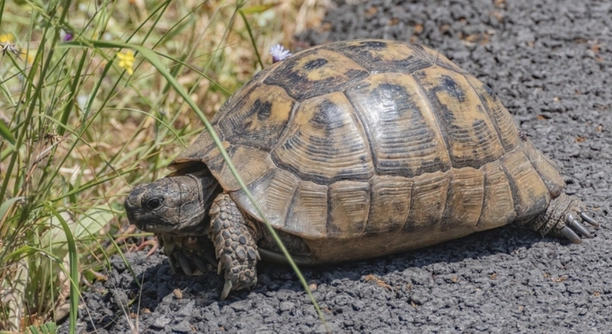
Creating a safe environment for your Greek tortoise is essential for its well-being. A proper enclosure ensures they have enough space and the right materials to thrive. Understanding the best options for your DIY setup will be helpful.
When designing a DIY Greek tortoise enclosure, it’s crucial to select materials that provide safety, durability, and comfort. Safe options include wood, glass, plastic, ceramic, and wire mesh. These materials can offer the necessary structure and ventilation for your tortoise.
The right materials can make a significant difference in your tortoise’s living conditions. Keep reading to learn more about the best choices for a secure and comfortable home.
Choosing the Right Wood for Your Greek Tortoise Enclosure
Wood is a popular choice for many DIY enclosures due to its natural aesthetic and ability to retain heat. When selecting wood, opt for hardwoods like oak, maple, or plywood that are sturdy and safe. Avoid pressure-treated wood as it may contain harmful chemicals. The wood should be smooth to prevent any splinters, which could injure your tortoise. It’s also important to ensure the wood is non-toxic, as Greek tortoises tend to chew on objects within their reach. Using untreated wood for the frame and any platforms inside the enclosure is the safest option.
Wood is great for both the structure and hiding spots within the enclosure. It can also be used for creating ramps or platforms that your tortoise can climb on, encouraging natural behaviors. If you use wood, make sure it is properly sealed to avoid absorbing moisture, which can cause rot and mildew. In addition to its practical uses, wood can also help regulate humidity levels.
A wood-based enclosure will help maintain a warm environment, which is essential for your tortoise. However, be mindful to monitor humidity and cleanliness regularly to prevent mold. Proper care will ensure your tortoise’s enclosure remains a healthy space for it to roam.
Using Glass or Acrylic Panels for Your Tortoise Enclosure
Glass or acrylic panels offer excellent visibility for observing your tortoise. These materials provide a sturdy, clear barrier while allowing for easy viewing of your pet. They are easy to clean and can keep your tortoise securely inside.
Glass or acrylic enclosures can be particularly useful for controlling temperature and humidity. These materials are non-porous, which helps in preventing the buildup of mold or bacteria. Ensure the panels are thick enough to withstand the weight of any objects placed inside the enclosure.
Plastic as a Safe Material for Tortoise Enclosures
Plastic is a durable and easy-to-clean material for tortoise enclosures. It’s lightweight, safe, and can be used for various parts, including walls or the base. Ensure that the plastic is free of harmful chemicals, as some plastics may leach toxins.
Plastic enclosures are a great option for creating a barrier that retains heat and humidity. They can also be used as flooring, as they are easy to wipe down and sanitize. Make sure the edges are smooth to prevent any injury to your tortoise. When choosing plastic, opt for high-quality, non-toxic plastic such as HDPE (high-density polyethylene). This material is sturdy, durable, and resistant to cracking.
Though plastic can offer many benefits, ensure it has proper ventilation. Without it, your tortoise could suffer from poor air quality. Use a combination of plastic and wire mesh to allow airflow while still providing a solid, secure structure.
Ceramic for Tortoise Enclosures
Ceramic is another great material for your tortoise’s home. It’s heavy, which can prevent your tortoise from pushing or tipping over parts of the enclosure. It’s also non-toxic and easily washable.
Ceramic tiles are commonly used for the flooring of tortoise enclosures, as they provide a smooth surface that is easy to clean. Additionally, ceramic holds heat well, offering a consistent temperature for your tortoise. It also has a natural aesthetic that can blend nicely with other elements in the enclosure. Make sure that the ceramic tiles you use don’t have any sharp edges, as these could cause injury. Be cautious of glazed tiles, as some may contain chemicals that are harmful to reptiles.
Incorporating ceramic tiles into your tortoise’s living space is a great way to maintain a clean and controlled environment. The smooth surface will allow your tortoise to move around comfortably while also making it easier to manage waste and prevent odors from building up.
Wire Mesh for Ventilation and Safety
Wire mesh is essential for ensuring proper airflow within the tortoise enclosure. It allows ventilation while keeping your tortoise secure inside. Choose a mesh with small holes to prevent escapes and protect your pet from external threats.
Wire mesh can be used for the roof or any side that requires extra ventilation. It should be made of rust-resistant material like galvanized steel to ensure long-lasting durability. Make sure to secure the mesh tightly to avoid gaps or sharp edges that could harm your tortoise.
Glass for a Clear View and Heat Retention
Glass enclosures provide a clear view, making it easy to monitor your tortoise’s activities. It also helps in retaining heat, which is essential for the well-being of Greek tortoises. Glass keeps the temperature more consistent and offers protection from external elements.
When using glass, ensure that it is thick enough to withstand any pressure from the tortoise. Avoid glass that can shatter easily, as it can pose a risk. Make sure the glass is also well-sealed, preventing humidity from escaping. With proper maintenance, glass enclosures can be a safe and comfortable space for your tortoise.
Choosing Non-Toxic Materials
When building your DIY tortoise enclosure, always choose non-toxic materials. This is crucial for your pet’s safety. Avoid materials that can release harmful chemicals or fumes, as these can negatively affect your tortoise’s health.
FAQ
What materials should I avoid when building a tortoise enclosure?
Avoid using pressure-treated wood, which often contains chemicals harmful to tortoises. Also, stay away from toxic plastics or materials that can release fumes. Avoid any sharp-edged materials that could injure your tortoise. Materials like treated wood, painted surfaces, and any that may contain pesticides should also be avoided.
Can I use a plastic storage bin as an enclosure for my tortoise?
Yes, a plastic storage bin can be used as an enclosure if it is large enough for your tortoise to move around. Ensure that the plastic is non-toxic, and there are no sharp edges that could cause harm. Add proper ventilation, and make sure the bin is high enough to prevent your tortoise from escaping.
How big should my tortoise’s enclosure be?
The enclosure should be at least 4 times the size of your tortoise’s shell. For a Greek tortoise, aim for an enclosure that is at least 8 square feet for a single adult. Larger enclosures are always better, as tortoises require plenty of space to roam and explore.
Can I use outdoor materials like wood or stone for the tortoise enclosure?
Yes, outdoor materials like wood and stone are suitable, but ensure they are untreated and free from harmful chemicals. Stone can help regulate temperature and humidity, but it should be smooth and free from sharp edges. Make sure the materials are durable enough to withstand weather conditions if the enclosure is kept outside.
Should I use a mesh top for my tortoise’s enclosure?
A mesh top is highly recommended, especially if the enclosure is kept outdoors. It helps prevent your tortoise from escaping and protects it from predators. Use rust-resistant wire mesh to avoid damage from the elements, and ensure the holes are small enough to prevent escapes.
Is it okay to use artificial grass in a tortoise enclosure?
Artificial grass can be used, but it should be non-toxic and safe for your tortoise to walk on. Ensure it is securely attached so your tortoise doesn’t chew or ingest it. Clean the artificial grass regularly to prevent bacteria buildup.
How do I keep the enclosure temperature stable?
Temperature control is essential for tortoises. You can use ceramic heat bulbs or heat mats to maintain a consistent temperature within the enclosure. Make sure to include a basking spot with a higher temperature and a cooler area for your tortoise to retreat to.
What is the best type of flooring for a tortoise enclosure?
The best flooring options are smooth and easy to clean materials like ceramic tiles or non-toxic plastic. Avoid carpet or any material that can trap moisture or become a breeding ground for bacteria. Tiles can help regulate temperature and are easy to disinfect.
How can I ensure proper ventilation in the enclosure?
Proper ventilation is critical for your tortoise’s health. Use wire mesh on at least one side of the enclosure to allow airflow. If the enclosure is glass, ensure there are small ventilation holes or a mesh lid. Proper airflow prevents mold and keeps the environment fresh.
Can I use a glass aquarium for my tortoise?
A glass aquarium can work for small or juvenile tortoises but is not ideal for adults due to its limited size. Glass aquariums often lack proper ventilation, which can lead to humidity issues. Ensure the aquarium has enough space and ventilation for your tortoise to thrive.
How often should I clean my tortoise’s enclosure?
Clean the enclosure weekly by removing any waste and washing all surfaces with a mild soap solution. Perform a deep clean every month, including disinfecting the enclosure and replacing bedding. Regular cleaning is essential to prevent bacteria and mold buildup.
Final Thoughts
Building a safe and comfortable enclosure for your Greek tortoise is essential to their health and well-being. The materials you choose play a significant role in providing a suitable environment that mimics their natural habitat. Whether you use plastic, ceramic, or wood, it’s important to make sure the materials are non-toxic and safe for your pet. Each material has its pros and cons, but when used correctly, they can create an enclosure that allows your tortoise to thrive.
Another key factor is ensuring the right amount of space. A larger enclosure gives your tortoise more room to explore, exercise, and express natural behaviors. The minimum size requirements should always be followed, and if possible, aim for an even larger space. The goal is to create an environment that promotes a tortoise’s physical and mental health. This includes keeping temperature and humidity levels stable and providing proper lighting, so your tortoise can bask and regulate its body heat. Don’t forget to add places for your tortoise to hide or rest when needed.
Finally, remember that the safety of your tortoise is the top priority. Ensure that the enclosure is escape-proof and secure, with no sharp edges or dangerous materials. It’s also important to provide proper ventilation to avoid harmful buildup of humidity or bacteria. With the right materials, space, and safety measures in place, your tortoise will have a comfortable and healthy home for years to come. Creating a suitable enclosure might take some time and effort, but it’s worth it for the happiness and longevity of your pet.

Hello,
If you enjoy the content that we create, please consider saying a "Thank You!" by leaving a tip.
Every little bit helps us continue crafting quality advice that supports the health, happiness, and well-being of pets around the world, for pets of all shapes, sizes, and species.
We really appreciate the kindness and support that you show us!