
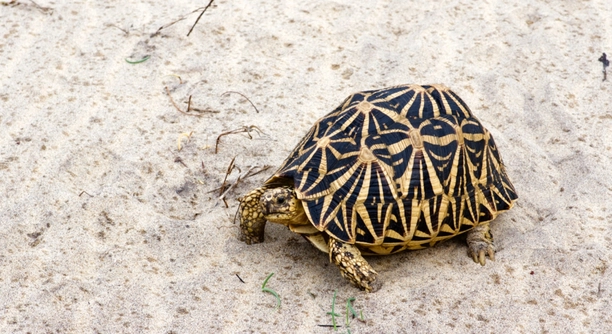
Turtles are fascinating pets, and their diet plays a vital role in their health. Knowing what foods are safe for them is important. The right nutrition helps them thrive and live a long, healthy life.
Several safe food options exist for pet turtles. Leafy greens like lettuce and kale, as well as fruits such as strawberries and melon, are great choices. Additionally, protein-rich foods like insects and small fish can support their growth and energy needs.
Understanding which foods to offer your turtle is key to maintaining their health. These options provide essential nutrients for their well-being.
Leafy Greens: A Turtle’s Essential Meal
Leafy greens are one of the most important foods you can offer your pet turtle. They provide essential vitamins and minerals that help support bone health, promote proper digestion, and keep your turtle hydrated. Kale, collard greens, and dandelion leaves are especially beneficial due to their high calcium content. These greens also contain fiber, which aids in digestion and promotes overall well-being. They are easy to find and can be fed regularly.
For optimal health, try to rotate different types of leafy greens to provide a variety of nutrients. Avoid iceberg lettuce, as it has little nutritional value. Offer greens daily, cutting them into manageable pieces for your turtle to consume.
Leafy greens are an essential component of a balanced diet for turtles. When incorporated with other food groups, they ensure your turtle receives a well-rounded nutrient profile that supports long-term health.
Fruits: Treats That Offer Nutrients
Fruits can be a tasty treat for your pet turtle, offering a sweet alternative to leafy greens. They contain vitamins and antioxidants that help boost your turtle’s immune system and improve skin health. Popular fruit choices include strawberries, watermelon, and cantaloupe.
Fruits should be given in moderation due to their high sugar content. Overfeeding fruit can lead to imbalances in your turtle’s diet. Always remove any uneaten fruit to prevent spoilage.
Adding fruits into your turtle’s diet is a great way to offer variety while providing nutritional benefits. They can be enjoyed occasionally, and their sweetness will make mealtime more enjoyable for your turtle.
Insects: A Protein Boost for Your Turtle
Insects provide essential protein for your turtle’s growth and energy. Crickets, mealworms, and earthworms are all safe options. These insects are rich in nutrients and support your turtle’s muscle development and immune system.
Feeding insects should be done with care. It’s important to ensure they are gut-loaded, meaning they are fed nutritious foods before being given to your turtle. This helps boost the nutrients your pet gets from the insects. Also, avoid feeding wild-caught insects as they might carry parasites or pesticides that could harm your turtle.
Small insects like crickets or mealworms are the best choices for most turtles. They are easy to catch or buy, and they can be served in moderate amounts. Just make sure to remove any uneaten insects to avoid any mess in the tank.
Commercial Turtle Food: Convenience and Nutrition
Commercial turtle food offers a quick and easy way to provide balanced nutrition. These pellets are formulated to meet the needs of turtles, with the right mix of protein, vitamins, and minerals. However, they should not be the only food source.
While pellets can be a convenient addition to your turtle’s diet, they should complement other fresh foods like greens, fruits, and insects. Feeding only commercial food may lead to imbalances in your pet’s nutrition. It’s best to offer a variety of foods to mimic the turtle’s natural diet.
Look for pellets made with high-quality ingredients. Avoid brands that contain artificial colors or preservatives. These can harm your turtle over time. Offering commercial food occasionally is fine, but always mix it with fresh food for better nutrition.
Aquatic Plants: A Natural Food Source
Aquatic plants provide a natural food option for your turtle. Plants like water lettuce, duckweed, and water hyacinth are safe and nutritious. They also contribute to your turtle’s environment, giving them a space to forage and swim.
These plants help turtles stay active and engaged while providing a steady source of vitamins and minerals. Make sure the plants you offer are free from pesticides or chemicals, as these can harm your pet. Including aquatic plants in their diet can add variety and encourage natural behavior.
Vegetables: Nutrients for Growth
Vegetables such as carrots, squash, and bell peppers offer a range of nutrients for your turtle. They are low in calories and provide vitamins like A and C. Always chop them into small pieces for easy consumption.
Vegetables can be given as part of a varied diet. They should be fresh and organic when possible. Overfeeding vegetables can lead to nutrient imbalances, so it’s important to include them alongside other food types.
Safe Fish: A Supplementary Protein
Some turtles can also enjoy small fish such as minnows or goldfish. These are a good source of protein and fats. Fish also provide the essential omega-3 fatty acids that promote healthy skin and shell development.
FAQ
What should I avoid feeding my pet turtle?
Some foods are harmful to turtles and should be avoided. These include iceberg lettuce, as it has little nutritional value, and spinach, which can interfere with calcium absorption. Turtles should also not eat dairy products, as they cannot properly digest lactose. Avoid feeding them processed foods or human snacks, as these can be too salty or sugary and cause health issues.
Can turtles eat fruit every day?
Fruits can be a great treat for your turtle, but they should not be a daily staple. They contain high levels of sugar, which can lead to health problems like obesity or shell deformities if fed too often. Instead, offer fruit once or twice a week, in small portions, alongside their regular meals.
How often should I feed my pet turtle?
The feeding frequency for your turtle depends on its age and size. Young turtles, especially those under one year old, should be fed daily. As they mature, adult turtles typically only need to be fed every other day or every three days. Be sure to monitor their eating habits and adjust accordingly.
Can turtles eat live fish?
Yes, many turtles enjoy eating live fish. Small fish like minnows or guppies can provide your turtle with protein and omega-3 fatty acids. However, avoid feeding them large fish that could be difficult to digest or cause choking. Ensure the live fish are free from harmful chemicals or parasites.
Is it okay to feed my turtle only pellets?
While pellets are convenient, they should not be the sole food source for your turtle. Pellets can provide essential nutrients but should be supplemented with fresh vegetables, fruits, and proteins to ensure a balanced diet. Relying only on pellets could lead to nutritional deficiencies over time.
Can turtles eat lettuce?
Lettuce can be fed to turtles, but it’s best to avoid iceberg lettuce. It has very little nutritional value and can cause digestive issues. Opt for darker, more nutrient-rich varieties like romaine or leaf lettuce, which provide more fiber and vitamins for your turtle.
What’s the best way to feed my turtle?
Turtles prefer fresh food that’s cut into bite-sized pieces. For leafy greens, tear them into smaller portions so your turtle can easily consume them. When feeding insects or fish, ensure they are appropriately sized to avoid choking. Always remove any uneaten food after a few hours to maintain a clean tank.
How do I know if my turtle is eating enough?
Monitor your turtle’s weight, shell condition, and behavior. If your turtle seems lethargic or its shell looks soft, it could be a sign of poor nutrition. A healthy turtle should be active, with a hard and firm shell. If you’re concerned, consult a vet for advice.
Can turtles eat cooked food?
Turtles can eat some cooked food in moderation. Steamed vegetables like carrots or squash can be a good option. However, avoid feeding them cooked meat or processed foods. Raw foods, particularly fruits, vegetables, and protein sources like insects or fish, should make up the majority of their diet.
Is it safe to feed my turtle wild-caught insects?
It is not recommended to feed wild-caught insects to your turtle. They may have been exposed to pesticides, parasites, or other harmful chemicals that can be harmful to your pet. It’s safer to buy feeder insects from reputable sources to ensure they are healthy and free from contaminants.
Can I feed my turtle the same food every day?
Variety is key to providing a balanced diet for your turtle. While some foods, like leafy greens, can be offered daily, other items such as fruits, insects, and fish should be rotated to ensure your turtle gets a range of nutrients. A varied diet prevents nutrient imbalances and promotes overall health.
What is the best type of protein for my turtle?
For most turtles, the best protein sources are insects like crickets, mealworms, and earthworms, as well as small fish like minnows. These provide high-quality protein that supports muscle growth and energy. Avoid feeding your turtle large amounts of fatty meats or processed foods.
Can I feed my turtle dairy products?
No, turtles cannot properly digest dairy products. Feeding them milk, cheese, or yogurt could upset their digestive system and cause health problems. Stick to natural, reptile-friendly foods to ensure your turtle’s well-being.
How do I prepare vegetables for my turtle?
To prepare vegetables, wash them thoroughly to remove any pesticides or dirt. Cut them into small, manageable pieces, especially for younger turtles. You can steam or chop hard vegetables like carrots or squash, but most leafy greens can be fed raw. Make sure to vary the types of vegetables you offer.
Should I feed my turtle in or out of the tank?
Feeding your turtle in its tank is perfectly fine. However, if you’re concerned about food contamination or mess, you can feed them in a separate container. Always make sure to remove uneaten food promptly to keep the tank clean and free from harmful bacteria.
What should I do if my turtle isn’t eating?
If your turtle is not eating, first check its water temperature and tank conditions. Stress, improper water temperature, or an unhealthy environment can cause turtles to stop eating. If the problem persists for more than a few days, consult a vet to rule out any health issues.
Final Thoughts
Feeding your pet turtle a balanced and varied diet is essential for its health and well-being. While turtles are generally hardy creatures, their nutritional needs should be met with care. A combination of protein, vegetables, and safe fruits will help your turtle thrive. Offering a variety of foods ensures that they get the right mix of nutrients to support their growth, shell development, and overall vitality. It’s also important to monitor how your turtle responds to different foods and adjust their diet as needed.
In addition to providing the right foods, consider the age, size, and species of your turtle. Young turtles tend to have higher protein needs, while adult turtles may require more vegetables and fewer protein sources. Remember, feeding should be done in moderation. Overfeeding can lead to obesity or other health problems. It’s always a good idea to keep track of your turtle’s eating habits and adjust portions to prevent excessive weight gain or malnutrition. Understanding your turtle’s specific dietary requirements will help you create the best feeding routine.
Lastly, creating a suitable environment for your turtle is just as important as offering the right food. Ensure that your turtle’s habitat includes clean water, proper lighting, and appropriate temperature settings. Stress or poor tank conditions can affect your turtle’s appetite and overall health. By combining the right diet with a comfortable and clean environment, you can help your turtle lead a long, healthy life. Always keep an eye on their behavior and eating patterns, and seek advice from a vet if needed. With the right care, your turtle will thrive in its environment.

Hello,
If you enjoy the content that we create, please consider saying a "Thank You!" by leaving a tip.
Every little bit helps us continue crafting quality advice that supports the health, happiness, and well-being of pets around the world, for pets of all shapes, sizes, and species.
We really appreciate the kindness and support that you show us!