
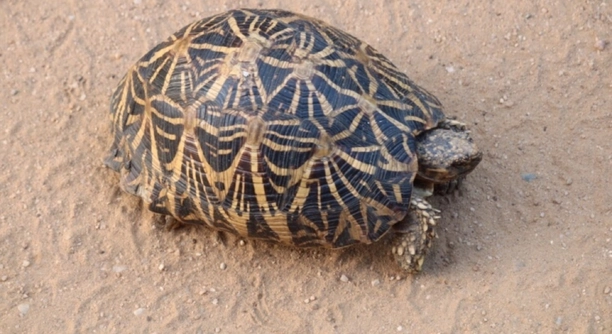
Decorating a turtle tank can make it more attractive while providing enrichment for your pet. However, not all decorations are safe for turtles, and it’s important to choose ones that will not harm them.
When selecting decorations for your turtle tank, prioritize safety and functionality. Opt for natural materials like smooth rocks and plants that provide hiding spots. Avoid sharp or small items that can be ingested or cause injury to your turtle.
These safe decorations not only create an aesthetically pleasing environment but also support the well-being of your turtle. Continue reading to learn which decorations are the best choices for your pet’s tank.
Safe and Natural Rocks for Your Turtle Tank
Rocks are a great addition to a turtle tank, providing hiding spots and creating a natural environment. Smooth, rounded rocks are ideal because they reduce the risk of injury. Avoid jagged edges, as sharp rocks can harm your turtle’s soft belly or shell. It’s important to choose rocks that are heavy enough to prevent them from floating, as lighter ones can be displaced by your turtle’s movements, potentially causing stress. You can arrange the rocks to create a basking area or caves for your turtle to explore.
Adding rocks to your turtle’s tank offers a sturdy, safe way to enhance their space. Make sure to rinse them thoroughly before placing them in the tank to remove any harmful substances.
These rocks not only give your turtle space to hide and climb, but they also help maintain water quality by supporting beneficial bacteria. Be mindful to avoid porous rocks, as they can trap debris and cause water issues over time.
Safe Plants for Your Turtle Tank
Adding plants to your turtle tank is a great way to create a more natural environment. Use aquatic plants such as Anubias or Java fern, which are hardy and safe for turtles. These plants can help clean the water and provide hiding places for your turtle to retreat to. Some plants may also offer grazing opportunities, which can enrich your turtle’s diet.
It’s essential to use non-toxic plants to avoid harming your turtle. Plants should be securely placed so they don’t get uprooted by your turtle’s movement.
Aquatic plants also provide oxygen for your turtle’s tank and offer mental stimulation, as turtles enjoy interacting with their environment. Be sure to monitor the growth of the plants to avoid overcrowding, as this can affect the water quality and tank space.
Driftwood for Turtles
Driftwood can be a beautiful and functional addition to your turtle’s tank. Choose pieces that are smooth and free of sharp edges to avoid injury. Make sure the driftwood is aquarium-safe to prevent the release of harmful chemicals into the water.
Driftwood offers turtles a place to bask, climb, and explore. It provides essential hiding spots, reducing stress and offering a secure space. Over time, driftwood can become submerged and create a natural environment that helps maintain the tank’s ecosystem. Be sure to clean it well before adding it to your tank to remove any dirt or harmful substances.
Some driftwood types, such as Mopani or Malaysian, are naturally resistant to decay and provide durability in the tank. Ensure the driftwood is securely placed, as floating pieces can cause disturbances or interfere with your turtle’s movements. Regularly check for any sharp areas that could form over time.
Substrate for Your Turtle Tank
Choosing the right substrate is essential for both the health of your turtle and the aesthetic of the tank. A smooth, fine substrate like sand can help create a comfortable environment for your turtle to walk and dig. Avoid coarse or large gravel, as it can be a choking hazard.
Substrate plays a role in maintaining water quality. It can trap waste, which may cause bacterial growth and water contamination if not properly cleaned. Rinse the substrate thoroughly before adding it to the tank. Regular vacuuming is needed to keep it free of debris.
Some substrates, such as calcium-based sand, can also contribute to the calcium intake of your turtle, which is vital for shell health. Always monitor water levels and quality to ensure the substrate does not negatively affect the tank’s balance.
Basking Platforms for Turtles
A basking platform is essential for your turtle’s health, as it provides a dry space for them to rest and soak up heat. Choose a platform that’s easy for your turtle to access and large enough to comfortably support them.
Platforms with ramps are ideal, as they give turtles a smooth transition from the water to the dry area. Some platforms even include built-in hides underneath, offering additional privacy. Always ensure the platform stays securely in place and does not tip over.
Make sure the platform is made of durable, non-toxic materials. A properly positioned basking platform helps regulate your turtle’s temperature, which is vital for their digestion and overall well-being.
Turtle-safe Decorations
Avoid decorations that have sharp edges or small parts that could be ingested. Only use turtle-safe materials like ceramic or plastic decorations that are smooth and easy to clean.
These safe decorations can provide a more stimulating environment for your turtle, allowing them to explore, hide, or climb. Be sure to check for any rough surfaces that could cause injury.
Turtle-safe decorations also help to create a visually appealing tank, contributing to the overall aesthetic without compromising your turtle’s health. Always rinse the decorations thoroughly before adding them to the tank.
Hiding Spots for Turtles
Turtles need places to hide, especially in tanks with multiple turtles. Use items like caves, plants, or submerged decorations that can provide them with a secure space.
Hiding spots reduce stress, making your turtle feel safe and allowing them to retreat when they need a break. They also provide your turtle with an environment closer to their natural habitat, where they can rest and feel secure.
FAQ
What decorations are safe for my turtle’s tank?
Safe decorations include smooth rocks, aquarium-safe plants, driftwood, and turtle-safe plastic or ceramic items. Ensure they have no sharp edges or small parts that could be ingested. Always rinse new decorations thoroughly to remove dirt or chemicals before adding them to the tank.
Can I use artificial plants in my turtle tank?
Yes, artificial plants are fine as long as they are made of non-toxic materials and do not have sharp edges. Be cautious with cheap decorations, as they may break down in water or release harmful substances over time. Choose plants that are sturdy and easy to clean.
Are live plants better than artificial ones?
Live plants offer the benefit of improving water quality by absorbing nutrients and producing oxygen. They also create a more natural environment for your turtle. However, they may be more difficult to maintain, and some turtles may try to eat or uproot them. Artificial plants are easier to care for but lack these environmental benefits.
Is sand a good substrate for my turtle tank?
Yes, sand can be a suitable substrate as long as it is fine-grained and smooth. It allows turtles to dig and move freely. Avoid using coarse gravel or sharp-edged substrates, as they may harm your turtle’s mouth or digestive system if ingested. Always clean and maintain the substrate regularly.
Can I use a regular aquarium filter for my turtle tank?
Turtles produce more waste than fish, so it’s essential to use a filter rated for a larger tank size than what you have. A powerful filter will help keep the water clean and reduce the risk of bacterial growth. Be sure to clean the filter regularly to maintain optimal performance.
How often should I clean my turtle’s tank?
You should clean your turtle’s tank at least once a week. This includes removing waste, cleaning decorations, and changing part of the water. Perform a deeper cleaning every month to ensure the substrate and filter are free from debris and waste. Regular cleaning helps prevent water contamination and keeps your turtle healthy.
Can I use rocks from outside in my turtle tank?
It is possible to use rocks from outside, but they should be thoroughly cleaned and sterilized before placing them in the tank. Rocks from outdoor environments may carry harmful bacteria or parasites that could harm your turtle. Ensure the rocks are smooth and free of sharp edges to prevent injury.
How can I ensure my turtle’s basking area is safe?
Make sure the basking platform is stable and provides easy access for your turtle. It should be large enough to support the turtle’s full body and allow them to rest comfortably. Place the basking area near a heat lamp, and check the temperature regularly to maintain a safe and optimal basking spot.
Do turtles need decorations in their tanks?
While not strictly necessary, decorations can help enrich your turtle’s environment. They provide hiding spots, places to climb, and opportunities for exploration, which can reduce stress. Keep in mind that all decorations should be safe and easy to clean. Turtles benefit from a well-structured environment that mimics their natural habitat.
What kind of driftwood is safe for my turtle?
Driftwood such as Mopani, Malaysian, or other aquarium-safe types is ideal for turtle tanks. These types of driftwood are durable and resistant to decay. Avoid using wood from outside, as it may contain chemicals, parasites, or molds harmful to your turtle. Always soak and clean the driftwood before placing it in the tank.
Should I add calcium to my turtle’s tank?
Adding calcium to the tank can help your turtle maintain a healthy shell, especially if you use calcium-based substrates or include calcium-rich foods in their diet. You can also offer a calcium block or cuttlebone in the tank, which your turtle can nibble on as needed. Always monitor your turtle’s health to ensure they’re getting enough calcium.
Can I use a glass aquarium for my turtle tank?
Yes, a glass aquarium works well for turtle tanks. Glass is easy to clean and allows you to see your turtle clearly. Make sure the aquarium is large enough to provide enough swimming space and that the tank has a secure lid to prevent escapes. You should also check that the glass can withstand the weight of any rocks or decorations you place inside.
How do I maintain water quality in a turtle tank?
Maintaining water quality is crucial for your turtle’s health. Regularly change part of the water (about 25% every week) to prevent waste buildup. Use a high-quality filter to remove debris, and consider using a water testing kit to monitor the levels of ammonia, nitrate, and pH. Keep the water temperature stable, and clean the tank regularly.
Are there any decorations I should avoid?
Avoid decorations with small parts that your turtle could ingest. Sharp, jagged edges can cause injury, so always choose smooth items. Be cautious with painted decorations, as they may contain toxic chemicals. Also, avoid placing items in the tank that could affect the water’s chemistry or lead to bacterial growth.
Do turtles need UVB light?
Yes, turtles need UVB light to produce vitamin D3, which is essential for calcium absorption and shell health. A UVB light should be placed over the basking area, and it should be replaced every six months, as the UVB output decreases over time. This helps ensure your turtle remains healthy and strong.
How do I choose the right tank size for my turtle?
The tank size should be at least 10 gallons of water for each inch of your turtle’s shell length. Turtles need enough space to swim freely, so a larger tank is always better. Consider the adult size of your turtle when choosing a tank to avoid overcrowding as they grow.
Is it safe to use aquarium gravel in a turtle tank?
Aquarium gravel is not recommended for turtle tanks, especially larger pieces. Turtles may ingest the gravel, leading to digestive issues or blockages. If you use gravel, make sure it is small and smooth to minimize the risks. Opt for substrates like sand or smooth pebbles for safer options.
How can I create a natural-looking turtle tank?
To create a natural-looking tank, use a combination of live plants, driftwood, and rocks. Choose plants that are safe for turtles and easy to maintain. Arrange the rocks and driftwood to mimic the environment your turtle would find in the wild, offering plenty of climbing and hiding spots.
Final Thoughts
Setting up a turtle tank involves careful consideration of the right decorations, water quality, and environment to ensure your turtle stays healthy and happy. It is important to create a safe space that mimics the turtle’s natural habitat. Using the right decorations, such as smooth rocks, driftwood, and safe plants, can provide your turtle with a comfortable environment that encourages natural behaviors like basking and swimming. Keeping the tank clean and maintaining proper water conditions is crucial to avoid health problems like infections or shell rot.
When choosing decorations, always prioritize safety. Avoid sharp or small objects that could harm your turtle or cause it to swallow something it shouldn’t. Additionally, be mindful of the materials used in any decorations, as some may release harmful chemicals into the water. The decorations should not only look good but also serve a practical purpose, offering places to hide or climb. Keeping your turtle engaged with a well-structured tank will help reduce stress and encourage physical activity.
In the end, it’s about finding the right balance between aesthetics and functionality. Turtles need more than just water to thrive; they need an environment that caters to their instincts. With careful planning, a turtle tank can become a beautiful, safe, and healthy home for your pet. By paying attention to their needs and making the necessary adjustments, you ensure a long and happy life for your turtle.

Hello,
If you enjoy the content that we create, please consider saying a "Thank You!" by leaving a tip.
Every little bit helps us continue crafting quality advice that supports the health, happiness, and well-being of pets around the world, for pets of all shapes, sizes, and species.
We really appreciate the kindness and support that you show us!