
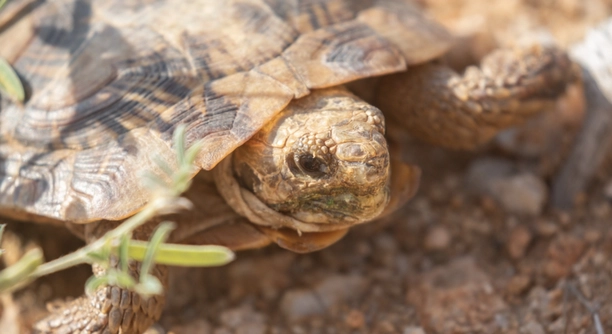
Are you setting up an enclosure for your pancake tortoise and wondering which types of wood are safe? Choosing the right wood is essential for their well-being, as some materials can release harmful toxins or create an unsuitable environment.
Safe wood options include aspen, cork bark, and maple, as they are non-toxic and suitable for enclosures. Unsafe woods, such as cedar, pine, and walnut, contain harmful oils or resins that can negatively impact a tortoise’s respiratory health and overall well-being.
Selecting the right wood ensures a safe, comfortable habitat for your tortoise. Understanding the differences between safe and unsafe materials will help you create the best possible enclosure.
Safe Wood Types for Pancake Tortoise Enclosures
Providing the right wood in a pancake tortoise enclosure helps maintain a safe and natural habitat. Aspen is a great option because it is non-toxic, odorless, and does not release harmful chemicals. Cork bark is another excellent choice, offering a soft and natural surface that retains moisture well. Maple is a safe hardwood that does not produce harmful resins, making it ideal for enclosures. Other safe options include birch and poplar, both of which are non-toxic and durable. These woods create a comfortable space while ensuring your tortoise’s health is not compromised by toxic compounds.
When choosing wood, avoid treated or painted options, as they can contain chemicals that may harm your tortoise. Even safe wood types should be cleaned and dried properly before use to prevent mold or bacteria growth. Creating a clean and safe habitat contributes to a tortoise’s overall well-being.
A well-maintained enclosure enhances your tortoise’s comfort and reduces the risk of respiratory issues. Safe wood choices help create a natural and secure environment where your tortoise can thrive. Selecting the right materials allows for better humidity control and ensures that the enclosure remains free from harmful toxins that could affect your tortoise’s health.
Unsafe Wood Types to Avoid
Some wood types release harmful oils and resins that can negatively affect your tortoise’s health. Cedar and pine contain aromatic compounds that can cause respiratory problems. Walnut wood is another unsafe option, as it contains toxins that can be harmful to reptiles.
Many softwoods, including fir and spruce, also release resins that may irritate a tortoise’s respiratory system. Pressure-treated woods should always be avoided, as they contain chemicals used to prevent decay but can be toxic. Painted or varnished wood is unsafe as well, as the coatings may contain substances that could harm your tortoise. The safest approach is to stick to untreated, non-toxic hardwoods.
Understanding which woods to avoid is just as important as knowing which ones to use. Respiratory irritation, digestive issues, and long-term health problems can result from exposure to unsafe materials. By selecting safe options and avoiding toxic woods, you can provide your pancake tortoise with a healthier, stress-free environment.
How to Prepare Wood for a Tortoise Enclosure
All wood should be properly cleaned and dried before being placed in an enclosure. Even safe wood can carry mold, bacteria, or pests that may harm your tortoise. Baking or sun-drying the wood ensures that it remains free from contaminants.
Start by brushing off any dirt and debris, then rinse the wood with water. Avoid using chemical cleaners, as they can leave harmful residues. If the wood is small enough, bake it at 200°F for an hour to kill bacteria. For larger pieces, leave them in direct sunlight for several days until completely dry. This step helps prevent mold growth.
Once dried, inspect the wood for signs of rot or sharp edges. Sand down rough areas to prevent injury. If the wood has absorbed moisture, allow it to dry further before placing it in the enclosure. Proper preparation ensures a clean and safe habitat.
Maintaining a Safe and Clean Enclosure
Regularly inspect the enclosure to ensure wood remains in good condition. Mold or rotting wood should be removed immediately, as it can create an unhealthy environment. Spot cleaning daily and replacing soiled areas prevents bacteria buildup, keeping the enclosure safe for your tortoise.
Humidity control is also important when using wood in an enclosure. Excess moisture can cause mold growth, so monitor humidity levels and adjust as needed. If condensation builds up, increase ventilation or replace damp substrate. Keeping the enclosure dry reduces health risks and ensures your tortoise remains comfortable. Safe wood, when properly maintained, helps create a stable environment where your tortoise can thrive.
Signs of Unsafe Wood in an Enclosure
If a tortoise shows signs of respiratory distress, such as wheezing or excessive mucus, the wood in the enclosure may be releasing harmful fumes. Other symptoms include lethargy, loss of appetite, or eye irritation, which can indicate exposure to toxic compounds.
Discoloration, mold growth, or a strong odor coming from the wood are also warning signs. If the wood feels damp or has softened, it should be removed immediately. Regularly checking for changes in texture or scent helps prevent potential health risks and ensures the enclosure remains a safe environment.
Best Alternatives to Natural Wood
For those looking for alternatives, cork bark is a great option as it is lightweight, mold-resistant, and provides a natural look. Resin-based hides and logs offer durability while being easy to clean. If using artificial materials, ensure they are non-toxic and do not retain excessive moisture.
Final Considerations
Choosing the right wood and maintaining it properly prevents health risks and ensures a comfortable habitat. Safe materials, regular cleaning, and proper ventilation keep the enclosure in optimal condition. Monitoring for signs of unsafe wood helps protect a tortoise’s well-being.
FAQ
What wood is safe for pancake tortoise enclosures?
Safe wood types for pancake tortoises include aspen, cork bark, and maple. These woods are non-toxic and do not release harmful chemicals that could affect the tortoise’s health. Other safe options include birch and poplar, which are also free of dangerous compounds. Always choose untreated wood to avoid chemicals.
Is cedar safe for pancake tortoises?
No, cedar is not safe for pancake tortoises. Cedar wood contains aromatic oils that can cause respiratory issues and other health problems for tortoises. Even the smell of cedar can be harmful. It’s best to avoid any softwoods like cedar and pine, which can negatively affect your tortoise’s health.
Why should I avoid pine wood in tortoise enclosures?
Pine contains resin and oils that are toxic to tortoises. These substances can irritate the respiratory system and skin, causing discomfort or illness. It’s important to avoid using pine or any softwoods, as they can affect a tortoise’s health in both the short and long term.
Can I use treated wood in my tortoise’s enclosure?
Treated wood should always be avoided. The chemicals used to preserve the wood, such as pressure treatment or preservatives, are toxic to tortoises. These chemicals can leach into the environment and cause serious harm. Always choose untreated, natural wood to ensure your tortoise’s safety.
How do I clean wood for a tortoise enclosure?
To clean wood, start by brushing off any dirt or debris. Then, rinse it with water, avoiding chemical cleaners. If the wood is small enough, bake it at 200°F for an hour to kill bacteria and pests. For larger pieces, leave them in the sun to dry completely before use.
Can I use wood from my yard in a tortoise enclosure?
You can use wood from your yard, but only if it’s a non-toxic type like maple or birch. Ensure the wood has not been treated with pesticides or chemicals. Also, inspect the wood for mold, pests, or rot before using it. Cleaning and drying it properly is essential for safety.
What wood types are best for humidity control in a tortoise enclosure?
Cork bark and aspen are great options for helping to control humidity in a tortoise enclosure. These woods absorb and retain moisture well, providing a more stable environment. However, you should monitor humidity levels regularly to prevent excess moisture from causing mold or bacterial growth.
Can I use driftwood for my tortoise’s enclosure?
Driftwood can be used, but it must be cleaned thoroughly to remove salt, dirt, and potential contaminants. Additionally, ensure that the driftwood is non-toxic and has not been exposed to harmful chemicals. It’s important to properly dry and treat driftwood before adding it to your tortoise’s enclosure.
How often should I replace the wood in my tortoise’s enclosure?
The wood in the enclosure should be replaced or checked regularly for signs of damage, mold, or rotting. If the wood becomes damp or begins to break down, it should be replaced immediately. Regular cleaning can extend the lifespan of the wood, but ultimately, it should be swapped when it shows wear.
Is it necessary to use wood in a pancake tortoise’s enclosure?
Wood is not strictly necessary, but it can provide enrichment and help create a natural habitat for your tortoise. It can also serve as a hiding spot, provide surfaces for climbing, and contribute to humidity control. If you don’t want to use wood, consider other materials like rocks, plants, and safe substrates.
What are some alternatives to wood for a tortoise enclosure?
Some alternatives to wood include cork bark, stone, and ceramic hides. Resin-based logs or artificial decorations designed for reptiles are also suitable if they are non-toxic. These materials can provide enrichment and serve similar purposes as wood, such as offering hiding spots and climbing opportunities.
How do I know if the wood in my tortoise enclosure is unsafe?
Unsafe wood can show signs like an overwhelming odor, discoloration, or mold. If your tortoise experiences respiratory distress, loss of appetite, or skin irritation, the wood may be causing harm. Always remove suspect wood and replace it with a safer option to ensure your tortoise remains healthy.
Can I use bark in a tortoise enclosure?
Yes, certain types of bark, like cork bark, are safe for tortoises. However, avoid using bark from trees like oak or cherry, as these can contain harmful compounds. Ensure that the bark is free from mold, rot, and pesticides before adding it to the enclosure.
Can wood affect the temperature of the tortoise’s enclosure?
Wood can have a small impact on the temperature of the enclosure, as it can retain heat or moisture depending on the type. Woods like cork and maple tend to provide insulation, which can help regulate temperature. However, be mindful of the overall temperature and humidity, and adjust accordingly.
How can I prevent wood from rotting in a tortoise enclosure?
To prevent wood from rotting, keep the enclosure dry and ensure proper ventilation. If the wood is exposed to high humidity, consider using moisture-absorbing materials like dried moss or sphagnum. Regularly inspect the wood for any signs of mold or rot and replace it if necessary.
Final Thoughts
Choosing the right type of wood for a pancake tortoise enclosure is essential for their health and well-being. Not all woods are safe, and using the wrong type can lead to serious issues like respiratory problems or skin irritation. It’s important to do thorough research on the wood types you plan to use, ensuring that they are non-toxic and free of harmful chemicals. Always avoid softwoods like pine and cedar, as these contain oils that can be harmful to your tortoise. Opt for hardwoods like maple, birch, or cork bark, which are safer and more suitable for creating a natural habitat.
In addition to selecting safe wood, regular maintenance is necessary to keep the enclosure in good condition. This includes cleaning the wood, checking for mold, and replacing any rotting or damaged pieces. Ensuring the wood remains dry and well-ventilated can help prevent unwanted moisture buildup, which can lead to mold or mildew. You should also monitor the humidity and temperature levels in the enclosure, as they can affect the condition of the wood and your tortoise’s overall environment. Making sure the habitat stays clean and comfortable for your tortoise is crucial to their long-term health.
Lastly, it’s worth noting that while wood is a great material for providing enrichment and a natural feel to an enclosure, it’s not the only option. If wood is not something you prefer, alternatives like resin, cork bark, or ceramic hides can also provide a safe and suitable environment. Regardless of the material you choose, always ensure it is free of harmful chemicals and provides proper shelter, climbing opportunities, and a comfortable living space for your pancake tortoise.

Hello,
If you enjoy the content that we create, please consider saying a "Thank You!" by leaving a tip.
Every little bit helps us continue crafting quality advice that supports the health, happiness, and well-being of pets around the world, for pets of all shapes, sizes, and species.
We really appreciate the kindness and support that you show us!