
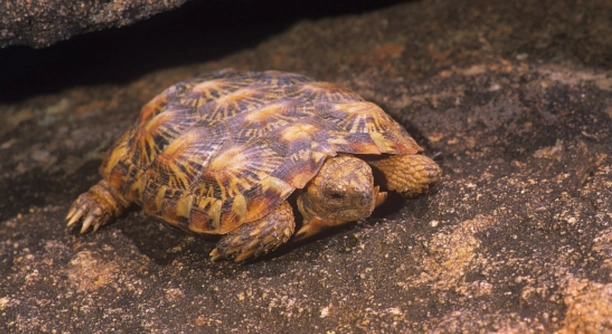
Choosing the right substrate for your tortoise is essential for their well-being. Some materials are beneficial for their health, while others can be harmful. Understanding which substrates to use and avoid is key to keeping them comfortable and safe.
The best substrates for tortoises promote natural behavior, comfort, and hygiene, while harmful ones can cause respiratory issues, digestive problems, or even death. Avoid materials that are too dusty, overly moist, or toxic to ensure a safe environment for your pet.
Learning about safe and unsafe substrates will help you create the best habitat for your tortoise, ensuring they thrive in their environment.
Safe Substrates for Tortoises
When choosing the right substrate for your tortoise, natural materials like grass hay, coconut coir, and organic soil are good choices. They mimic their natural environment and help regulate temperature and humidity. These materials also provide comfort and promote natural behaviors, such as burrowing. Grass hay is absorbent, odor-free, and helps maintain a healthy environment by drying up excess moisture. Coconut coir is soft and holds moisture well, which is important for desert species that need a dry habitat. Organic soil is a great choice for humid-loving tortoises, as it helps with moisture control.
These substrates also aid in digestion by encouraging the tortoise to forage and nibble, promoting a more natural lifestyle. Additionally, they are generally free from harmful chemicals or additives. When selecting the right one, always ensure that the materials are free from pesticides or any other harmful substances. The health of your tortoise depends on the care you take in choosing their bedding.
For a happy and healthy tortoise, stick with these proven natural options. They will help keep your pet comfortable and safe for years to come.
Unsafe Substrates for Tortoises
Certain substrates can negatively affect your tortoise’s health. For example, cedar and pine shavings release oils and aromatic compounds that are toxic to reptiles. These can irritate their respiratory system, causing difficulty breathing and even affecting their overall health. Additionally, sand is not ideal for tortoises, especially if they ingest it. It can lead to impaction, which is dangerous and can result in severe health problems. Avoid substrates that are excessively moist or moldy as well, as they can encourage bacterial growth that can harm your pet.
While these materials might seem convenient or affordable, they do more harm than good. Toxic bedding can weaken your tortoise’s immune system and shorten their lifespan. By avoiding these unsafe options, you will ensure that your tortoise has a comfortable and secure environment that promotes their health and well-being.
The key to choosing safe substrates is to research carefully. Avoid materials that could harm your tortoise in the long run. With proper attention to detail, you can keep your pet safe and happy.
Why Substrate Matters for Tortoise Health
Choosing the right substrate directly affects your tortoise’s health. It influences their comfort, hygiene, and even digestion. When the substrate is unsuitable, it can lead to stress, respiratory issues, or even long-term health problems. A comfortable, clean environment allows your tortoise to feel safe and thrive.
Tortoises naturally interact with their environment, and the right substrate supports this. For example, substrates that mimic the earth’s texture allow tortoises to burrow, scratch, and move freely. This helps to reduce stress and encourages natural behaviors. Additionally, proper bedding helps regulate humidity levels, which is vital for certain tortoise species that need a specific climate.
Substrates also help in maintaining hygiene by absorbing waste and moisture. Clean and dry bedding prevents bacterial growth and reduces the risk of infections. Poor choices, like dusty or overly moist materials, can promote respiratory issues and cause your tortoise discomfort, leading to health complications.
Best Practices for Substrate Care
Keeping the substrate clean and dry is essential for tortoise health. Regularly removing waste and replacing soiled substrate prevents bacteria buildup and unpleasant odors. Depending on the substrate, it may need to be spot-cleaned daily or replaced entirely once a month. The frequency depends on the material’s absorbency and how much moisture your tortoise’s habitat requires.
Some substrates, like coconut coir, are more absorbent and need less frequent cleaning. Other materials, like hay, need to be replaced more often, especially if they become wet or moldy. Always ensure that any new bedding added is free from harmful chemicals and dust. This reduces the chance of respiratory irritation or infection.
By maintaining a clean habitat, you create an environment where your tortoise feels secure. A tidy enclosure will also prevent unpleasant odors, making your living space more pleasant. It’s not just about aesthetics; proper substrate care is vital to your tortoise’s well-being.
Common Mistakes with Substrate Selection
Using the wrong substrate can cause a host of problems for your tortoise. Some people mistakenly choose cheap or overly moist options, which can lead to skin issues, respiratory problems, or stress. Not all substrates are created equal, and some can harm your pet’s health.
Avoid substrates like sand or gravel, as they can cause impaction if ingested. Cedar and pine shavings may seem appealing but contain harmful oils. These oils irritate a tortoise’s respiratory system and can lead to long-term health problems. Choose materials that are safe, natural, and suited to your specific species of tortoise.
How to Properly Set Up a Tortoise Enclosure
The substrate is just one part of setting up a proper tortoise enclosure. Along with the right bedding, you’ll need proper lighting, heat, and humidity levels. Ensure your tortoise has access to a basking area where they can absorb UVB light, which is vital for their shell and overall health.
Create an area with enough space for your tortoise to roam, as they need room to stretch out and move around. Temperature and humidity can be regulated through a combination of lights, heat mats, and a moisture-friendly substrate, which helps mimic their natural environment. Regularly check these conditions to make sure they are optimal.
The Importance of Substrate Depth
The depth of your substrate matters just as much as the material itself. A thin layer won’t provide the proper insulation or room for burrowing. Aim for a depth of 2-4 inches for most tortoises. This allows your tortoise to dig and burrow naturally, which helps them feel secure.
FAQ
What is the best substrate for a tortoise?
The best substrate for a tortoise depends on its species and habitat needs. Generally, organic soil, coconut coir, and grass hay are great options. They are natural, non-toxic, and allow for burrowing, which is essential for many species. These substrates also help regulate humidity and provide comfort for your tortoise.
Can I use sand as a substrate for my tortoise?
While sand may seem like a natural choice, it’s not ideal. If ingested, sand can cause impaction, a serious health issue. It also doesn’t provide much support for burrowing or comfort. If you choose to use sand, make sure it’s mixed with other substrates to reduce the risk of ingestion.
Is coconut coir safe for tortoises?
Yes, coconut coir is safe for tortoises. It’s an absorbent material that helps maintain moisture levels and is non-toxic. It also offers a soft texture for burrowing, which is great for many tortoise species. Just be sure to choose a high-quality coir that’s free from chemicals or added fragrances.
Can I use wood shavings for tortoise bedding?
Wood shavings, especially from cedar or pine, should be avoided. These types of wood contain oils that can be harmful to tortoises, causing respiratory problems and skin irritation. If you want to use wood shavings, opt for those made from aspen, which is a safer alternative.
How often should I change the substrate in my tortoise’s enclosure?
The frequency of changing the substrate depends on the type you use. Coconut coir or organic soil generally needs to be replaced every 3-4 months, or when it becomes too wet or soiled. Grass hay should be replaced more frequently, especially if it becomes damp or contaminated. Regular spot cleaning can help extend the life of the substrate.
What should I avoid in tortoise substrates?
Avoid substrates that are too moist, dusty, or toxic. Sand, gravel, and cedar or pine shavings should be avoided. These materials can cause respiratory issues, impaction, or other health problems for your tortoise. It’s also important to avoid substrates with added chemicals or fragrances.
Is it safe to use newspaper or cardboard as a substrate?
Newspaper and cardboard can be used as temporary substrates, but they aren’t ideal for long-term use. They don’t provide the necessary texture for burrowing and might not regulate humidity well. Additionally, ink on newspaper may be toxic if your tortoise chews on it. If you use them, make sure they are free from harmful inks or chemicals.
How deep should the substrate be in my tortoise’s enclosure?
The substrate should be deep enough to allow your tortoise to burrow comfortably. A depth of 2-4 inches is generally recommended. For species that dig a lot, you may want to increase the depth to 6 inches or more. Make sure the substrate is thick enough to regulate temperature and humidity.
Do I need to add a heating element to my tortoise’s substrate?
While it’s not necessary to add a heating element directly to the substrate, many tortoises need heat to regulate their body temperature. A heat lamp or heating pad placed above or beneath the enclosure can create a proper temperature gradient. This allows your tortoise to choose a warmer or cooler spot depending on its needs.
Can I use a mix of substrates for my tortoise?
Yes, mixing substrates can work well for tortoises. For example, combining coconut coir with grass hay or organic soil creates a more balanced environment. This can help with moisture control and provide a variety of textures for your tortoise to interact with. Just make sure that the mixture is safe and free from harmful chemicals.
How do I maintain the proper humidity for my tortoise with the right substrate?
Substrates like coconut coir and organic soil help maintain humidity, but it’s important to monitor moisture levels regularly. You can lightly mist the substrate to keep it moist, but avoid over-wetting it. Use a hygrometer to check the humidity levels in your tortoise’s enclosure, aiming for 40-60% humidity, depending on your tortoise’s species.
Should I add any additional bedding or materials for enrichment?
While a suitable substrate is essential, additional enrichment materials can enhance your tortoise’s environment. Adding rocks, logs, or plants can encourage natural behaviors like climbing, foraging, or hiding. Make sure any enrichment items are safe, non-toxic, and easy for your tortoise to interact with.
Can I use calcium sand for my tortoise’s substrate?
Calcium sand should be avoided. While it’s marketed as safe, it can still cause impaction if ingested. It’s also not as absorbent as other materials and may not provide the proper texture for burrowing. Stick to safer substrates like coconut coir or organic soil for a healthier environment.
How can I tell if the substrate is too wet or dry for my tortoise?
The substrate should feel slightly damp but not soaking wet. If it’s too dry, you may notice your tortoise isn’t as active or might start eating or drinking more than usual. If it’s too wet, mold or unpleasant odors may appear. Adjust moisture levels as needed to keep your tortoise comfortable.
Is it necessary to use a UVB light for my tortoise?
Yes, UVB lighting is crucial for tortoises, especially for those that spend time outdoors or in artificial habitats. UVB light helps them produce vitamin D3, which is essential for calcium absorption and shell health. Ensure your tortoise has access to UVB light for at least 10-12 hours a day.
Can I use fake plants in my tortoise’s enclosure?
Fake plants can be used for decoration or to provide hiding spots, but they shouldn’t be the main focus of the habitat. Ensure that any artificial plants are safe, without sharp edges or toxic materials. Live plants are a better option for providing enrichment, as they are more natural and beneficial for your tortoise.
What is the best way to spot clean my tortoise’s enclosure?
Spot cleaning involves removing waste, uneaten food, and any soiled areas daily. Use a small scoop or shovel to remove waste and replace any soiled substrate. This helps keep the environment clean and reduces the need for a full substrate change. Regular spot cleaning helps maintain a healthy and comfortable habitat.
Do I need to use a thermostat with my tortoise’s heating elements?
Using a thermostat with heating elements is a good idea, especially if you’re using heat mats or lamps. A thermostat ensures that the temperature stays within a safe range, preventing overheating or fluctuating temperatures. This helps your tortoise feel more comfortable and maintain a consistent environment.
Final Thoughts
Choosing the right substrate for your tortoise is an important decision that directly impacts its health and comfort. It’s essential to select a material that mimics the tortoise’s natural environment while ensuring safety and ease of maintenance. Many tortoises enjoy digging and burrowing, so providing a substrate that allows them to do so is crucial for their physical and mental well-being. At the same time, the substrate should help maintain proper humidity and temperature levels. Finding the right balance between comfort, practicality, and safety will benefit your tortoise in the long run.
While there are many substrate options available, it’s important to avoid those that may be harmful or unsuitable for your tortoise. Sand, cedar, and pine shavings are examples of materials that should be avoided due to their potential health risks. Instead, safer options like coconut coir, organic soil, and grass hay provide a more natural and healthy environment for your tortoise. These substrates also allow for easier cleaning and better regulation of moisture levels. Regular monitoring of humidity, temperature, and cleanliness will keep the habitat comfortable and safe for your pet.
Overall, when selecting a substrate for your tortoise, it’s essential to consider the species, its specific needs, and the practicality of maintaining the enclosure. The right substrate not only supports physical health but also promotes natural behaviors, which can contribute to a happier and healthier tortoise. Regularly changing and cleaning the substrate, along with providing the proper heat, light, and enrichment, ensures your tortoise has the best possible living conditions. Taking the time to choose the right materials and maintaining the enclosure properly will make a positive difference in your tortoise’s quality of life.

Hello,
If you enjoy the content that we create, please consider saying a "Thank You!" by leaving a tip.
Every little bit helps us continue crafting quality advice that supports the health, happiness, and well-being of pets around the world, for pets of all shapes, sizes, and species.
We really appreciate the kindness and support that you show us!