
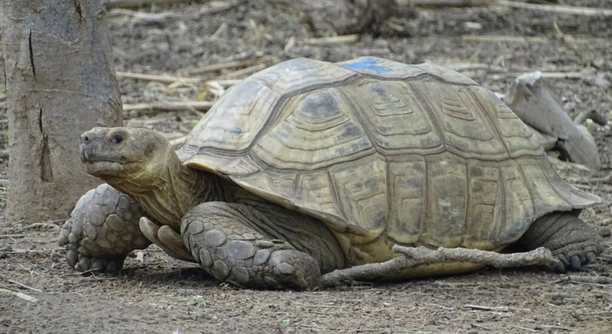
Are your pet tortoises spending most of their time resting with little activity? Keeping them engaged with safe and fun playtime activities is essential for their well-being. Providing the right enrichment helps maintain their physical health and mental stimulation.
Tortoises enjoy activities that mimic their natural behaviors, such as exploring, climbing, and foraging. Creating a safe play environment with tunnels, obstacles, and edible plants encourages movement and curiosity. Offering gentle interactions and supervised outdoor time also promotes their overall health and happiness.
Providing engaging activities ensures your tortoise remains active and content. Learning about different enrichment ideas can help you create a stimulating and safe environment for your pet.
Creating a Safe Play Area
A safe play area is essential for keeping your tortoise active and engaged. Choose a spacious, enclosed space free from hazards like sharp objects or toxic plants. Ensure the surface is suitable for walking, such as grass, soft soil, or a non-slip mat. Avoid using wire flooring or concrete, as they can cause injuries. Provide shaded spots to prevent overheating, and always have fresh water nearby. Supervise playtime to ensure your tortoise remains safe and does not wander off. A secure environment encourages natural behaviors while reducing stress and the risk of injury.
A well-planned space allows your tortoise to explore freely. Incorporating natural elements, like rocks and branches, adds variety to their environment. This helps keep them stimulated and engaged throughout the day.
Designing an enriching play area benefits both physical and mental health. Tortoises thrive when they have safe spaces to explore, climb, and forage. Creating different zones with logs, plants, and gentle inclines encourages natural behaviors. Hiding treats under leaves or placing edible plants around the enclosure promotes foraging instincts. Keep the area clean by removing uneaten food and waste regularly. Adjust the setup based on your tortoise’s behavior to ensure they remain curious and active.
Interactive Toys and Enrichment
Toys and enrichment activities keep your tortoise engaged. Simple objects like tunnels, small ramps, and safe chewable items encourage exploration and exercise. Avoid anything too steep or slippery to prevent injuries. Natural materials like wood and stone work best.
Foraging toys are an excellent way to stimulate curiosity and problem-solving skills. Scatter small pieces of leafy greens around their enclosure or hide food inside a hollow log. Puzzle feeders designed for reptiles can also be useful. These activities encourage movement and mimic natural foraging behaviors. Adding different textures, such as hay piles or smooth stones, provides sensory stimulation. Rotating toys and rearranging their environment regularly helps prevent boredom. Tortoises are naturally inquisitive, and providing variety keeps them entertained.
Incorporating interactive elements into your tortoise’s routine improves their overall well-being. Ensuring they have engaging activities every day helps maintain a healthy balance of activity and rest. Observing their reactions to different toys and setups allows you to tailor enrichment to their preferences.
Outdoor Exploration and Supervised Walks
Allowing your tortoise to explore outdoors provides natural enrichment. A secure, enclosed area with soft grass and shade is ideal. Avoid pesticides and ensure there are no potential escape routes. Supervise closely to prevent encounters with predators or hazardous plants.
Outdoor time encourages natural behaviors like grazing, burrowing, and basking. Providing logs, small hills, and edible plants adds variety to their environment. Keep the ground temperature in check, as surfaces can become too hot or cold. Tortoises benefit from exposure to natural sunlight, which supports shell and bone health. Limiting outdoor time during extreme weather ensures safety. Bringing them inside if temperatures drop too low prevents health issues. A well-planned outdoor space keeps them engaged while allowing safe exploration.
Supervised walks outside their enclosure offer additional stimulation. Allowing them to roam in a controlled area lets them experience new textures and scents. Keeping them on a soft, natural surface prevents shell or limb injuries. Offering gentle guidance with hands or barriers helps direct movement safely. Always watch for signs of stress or fatigue, ensuring they remain comfortable. Avoid areas with heavy foot traffic or other animals to reduce stress. Keeping outdoor experiences positive encourages natural curiosity and exercise.
Climbing and Obstacle Courses
Adding climbing structures promotes activity and strengthens muscles. Low, stable ramps and gentle inclines provide safe challenges. Avoid steep or unstable surfaces that could cause injury. Using natural materials like wood, stone, and packed soil makes climbing more enjoyable.
Obstacle courses encourage problem-solving and physical activity. Arranging logs, tunnels, and safe barriers allows tortoises to navigate their surroundings naturally. Changing the layout periodically prevents boredom and keeps them engaged. Hiding food along the course adds an interactive element, rewarding exploration. Ensuring everything is stable and secure prevents accidents. Tortoises enjoy slow, deliberate movements, so obstacles should be manageable. Monitoring their interactions with new structures helps determine what they enjoy most.
Incorporating climbing activities benefits both physical and mental well-being. Encouraging gradual exploration rather than forcing movement keeps them comfortable. Making small adjustments based on their reactions helps create a stimulating environment. Combining climbing with foraging opportunities enhances enrichment, ensuring a more engaging and rewarding experience.
Digging Areas and Burrowing Opportunities
Providing a designated digging area allows tortoises to engage in natural burrowing behaviors. A soft soil or sand mixture works best, ensuring it is deep enough for them to dig comfortably. Avoid compacted or rocky surfaces, as they can cause stress or injury.
Burrowing helps regulate body temperature and provides a sense of security. Some tortoises use burrows for resting, especially in warm weather. Ensuring the area remains dry prevents respiratory issues. Observing their digging habits allows adjustments to the substrate for better comfort. A well-maintained digging space supports their physical and mental well-being.
Safe Water Play
A shallow water dish or small soaking area provides hydration and encourages natural soaking behaviors. The water should be no deeper than the tortoise’s chin to prevent accidental drowning. Regularly changing the water ensures cleanliness and reduces the risk of bacterial growth.
Exploring Different Textures
Introducing a variety of surfaces, such as smooth stones, soft grass, and packed soil, stimulates sensory engagement. Walking on different textures strengthens their limbs and keeps them active. Ensuring the surfaces are safe and non-abrasive helps prevent injuries while encouraging natural movement.
FAQ
How much space does my tortoise need for playtime?
Tortoises require ample space to move around and engage in natural behaviors. A minimum of 10 square feet per tortoise is recommended, but more space is always better. The area should be secure, free from hazards, and provide opportunities for climbing, digging, and foraging. Enclosures should be designed to replicate their natural environment, incorporating different textures and hiding spots. If keeping a tortoise outdoors, ensure the space is well-secured and protected from predators. Adequate space prevents boredom and encourages physical activity, helping to keep your tortoise healthy and active.
Can I leave my tortoise outside unsupervised?
No, tortoises should not be left unsupervised outside. They are vulnerable to predators, extreme temperatures, and environmental hazards. Supervision ensures their safety and allows you to intervene if necessary. Always monitor their behavior and ensure they do not wander too far. Outdoor time should be in a secure, enclosed space to prevent escapes and provide a safe environment for exploration. Make sure the area is free from toxic plants, sharp objects, or any dangers that could harm your pet.
What types of toys are best for tortoises?
The best toys for tortoises are those that encourage natural behaviors like foraging, climbing, and exploring. Simple toys such as tunnels, ramps, and rocks provide mental stimulation and physical exercise. Foraging toys, like hollow logs or puzzle feeders, are excellent for encouraging your tortoise to search for food. Always choose non-toxic, durable materials that are safe for your tortoise to interact with. Rotating toys and rearranging their environment regularly helps keep things interesting and prevents boredom.
How often should I change the play area or setup for my tortoise?
Changing the play area setup every few weeks can help keep your tortoise engaged and prevent boredom. This doesn’t mean a complete overhaul, but simple changes, like rearranging obstacles, adding new plants, or changing the texture of the ground, will keep things fresh. Keep an eye on your tortoise’s behavior—if they seem uninterested or lethargic, it’s a sign they need a change in their environment. Ensuring that their setup includes areas to hide, climb, and forage keeps their playtime stimulating and enjoyable.
Is it okay to let my tortoise climb on rocks or logs?
Yes, tortoises can safely climb on low rocks and logs, as long as they are stable and won’t topple over. Climbing encourages physical activity and helps develop their muscles. However, avoid using steep or slippery surfaces, as these could lead to injury. The rocks or logs should be positioned securely to prevent any risk of the tortoise falling. Also, make sure the materials are safe and free of sharp edges. Natural materials like smooth stones and sturdy wooden branches are perfect for creating safe climbing areas.
Can I feed my tortoise while it’s playing?
Yes, feeding your tortoise while it’s playing can be an effective way to encourage foraging behavior. Scatter small portions of their food around the play area to mimic the way they would search for food in the wild. You can also hide their favorite treats inside logs or under leaves to make the experience more engaging. This provides mental stimulation while allowing them to get some exercise. However, always make sure the food is fresh and clean, and avoid overfeeding to prevent health problems.
Should I provide a swimming area for my tortoise?
Tortoises do not generally swim, but they enjoy soaking in shallow water. Providing a shallow dish or container for soaking is a good way to keep your tortoise hydrated and help with shedding. Ensure the water is shallow enough that they can easily get in and out without risk of drowning. Tortoises that naturally live in desert environments may not enjoy soaking as much as those from tropical climates. Always supervise them while they are in the water to ensure their safety.
How can I keep my tortoise active indoors?
Indoors, your tortoise can still be kept active with a well-designed play area. Create a space with ramps, tunnels, and different surfaces like grass mats or soft soil. Rotate their toys to keep things interesting and scatter food around the enclosure to encourage foraging. Using safe indoor plants as part of their habitat will provide sensory stimulation. If possible, allow your tortoise outdoor time in a secure, enclosed space when the weather permits. Ensuring a clean, stimulating indoor environment promotes healthy activity and prevents boredom.
Is it safe to let my tortoise interact with other pets?
It’s best to avoid letting your tortoise interact with other pets, especially if they are much larger or more aggressive. Some pets may see the tortoise as prey, while others could unintentionally harm it during play. Tortoises are generally solitary animals, and exposing them to other pets can cause stress or injury. If you want your tortoise to interact with another of its kind, ensure both animals are the same size and of similar temperament. Always supervise interactions to ensure both animals are safe.
How can I tell if my tortoise is enjoying playtime?
A tortoise that is enjoying playtime will actively explore its environment, move around frequently, and show curiosity toward new objects or changes in the setup. You may see them climbing, digging, or foraging for food. If your tortoise is relaxed and not showing signs of stress, it’s a good indication that they are content with their activities. Conversely, if your tortoise appears lethargic, hides constantly, or seems disinterested, it may be time to reassess their environment or introduce new activities. Always monitor their behavior closely to ensure their well-being during playtime.
Can I use commercial toys for my tortoise?
Commercial reptile toys can be used for your tortoise as long as they are safe, non-toxic, and appropriately sized. Look for toys that are durable and designed specifically for reptiles. Avoid toys with small parts that could be ingested or cause choking. Materials like wood, stone, and plastic are commonly used in safe tortoise toys. However, always ensure that any toy you purchase does not pose a risk to your tortoise’s health. Make sure the toys provide opportunities for climbing, digging, or foraging, which are all essential for tortoise enrichment.
Final Thoughts
Creating a safe and stimulating environment for your pet tortoise is essential to its well-being. Providing a variety of playtime activities encourages natural behaviors, like foraging, climbing, and exploring, which are important for both their physical and mental health. Regular changes to their environment, along with safe and engaging toys, can keep your tortoise active and prevent boredom. As you work on designing a playtime routine, remember that consistency and attention to detail can go a long way in maintaining a healthy, happy tortoise.
It’s important to focus on providing your tortoise with a space that is not only safe but also allows for its instincts to come through. Simple activities, such as hiding food or allowing them to climb on logs, help mimic the natural world in which they would typically roam. Also, make sure your tortoise has access to clean water for soaking, as hydration is a key aspect of their health. These types of activities are vital in ensuring that they stay physically fit, enjoy their time out of the enclosure, and remain content in their environment.
Lastly, always be mindful of your tortoise’s individual needs. Some species may require more space or different types of activities than others. Take the time to observe their behavior and adjust their playtime accordingly. While tortoises are independent creatures, they still benefit from regular interaction and environmental enrichment. By maintaining a consistent playtime routine, you ensure that your tortoise not only stays healthy but also thrives in its environment.

Hello,
If you enjoy the content that we create, please consider saying a "Thank You!" by leaving a tip.
Every little bit helps us continue crafting quality advice that supports the health, happiness, and well-being of pets around the world, for pets of all shapes, sizes, and species.
We really appreciate the kindness and support that you show us!