
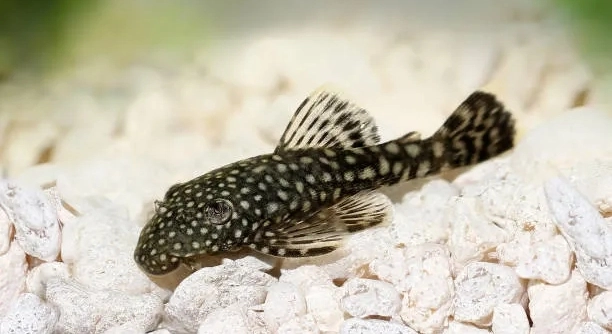
Plecos are a popular type of fish that need algae for nutrition. However, some fish owners are on the lookout for alternatives to algae for their plecos. It’s important to find suitable replacements to keep your pet healthy and happy.
Several safe algae alternatives for plecos include vegetables like zucchini, cucumber, spinach, and lettuce. These options provide the same essential nutrients and fibers as algae while offering variety in their diet. Ensure the veggies are fresh and properly prepared.
These alternatives are easy to incorporate into your pleco’s routine. Learn how to best feed your plecos and keep them nourished with these safe options.
Zucchini: A Popular Choice for Plecos
Zucchini is a great algae alternative for plecos. It is soft enough for plecos to easily nibble on and provides essential nutrients like vitamins A and C, which help in maintaining their immune system and overall health. This vegetable also contains fiber, promoting digestion and healthy gut bacteria. To prepare zucchini for your pleco, you can slice it thinly or cut it into smaller pieces. Some owners prefer to blanch it lightly to make it easier for the pleco to eat. Zucchini can be given to plecos on a regular basis to ensure they get the variety they need in their diet. It’s simple to prepare and provides a consistent source of nutrition.
Since zucchini can quickly soften, it’s important to remove any uneaten pieces from the tank after a few hours to avoid water contamination. Keep an eye on how much your pleco consumes to ensure proper portions.
Adding zucchini to your pleco’s diet can help keep them satisfied and healthy. It’s easy to prepare, and plecos love the taste. Plus, it’s one of the most effective ways to add nutrients without relying on algae.
Cucumber: A Refreshing Alternative
Cucumber is another excellent vegetable for plecos. It’s high in water content and provides hydration, which is especially helpful in maintaining their moisture levels.
Similar to zucchini, cucumber is easy to prepare. Slice it thinly and place it in the tank for your pleco. You can remove the seeds if you prefer, though they are not harmful. Cucumber also contains vitamins K and C, which promote healthy skin and overall well-being in plecos. While it’s a refreshing option, cucumber should not be the sole part of their diet. It works best when combined with other vegetables and foods that provide more varied nutrients.
However, cucumber should be replaced frequently. It will soften in water and can disintegrate quickly, making it important to monitor your pleco’s eating habits and remove any leftovers after a few hours.
Spinach: A Healthy Option for Plecos
Spinach is another great alternative for your pleco. It’s packed with iron, vitamins A, C, and K, all of which support a healthy immune system. Spinach can be offered fresh, and it’s easily accepted by most plecos. The dark green color indicates it’s nutrient-dense, providing a good variety of nutrients for your fish.
Make sure to wash the spinach thoroughly to remove any pesticides or chemicals. You can serve it in small portions, either whole or chopped. Some owners choose to lightly blanch it, which softens the leaves and makes it easier for the pleco to eat. While spinach is beneficial, moderation is key due to the oxalates it contains, which can affect calcium absorption.
If you feed your pleco spinach too often, it could interfere with calcium levels. Offering a mix of vegetables alongside spinach ensures your pleco receives a broader range of nutrients. Rotate spinach with other greens to maintain a balanced diet.
Lettuce: A Light and Crisp Choice
Lettuce offers a light, crisp texture that plecos enjoy. It’s low in calories and provides hydration, making it a refreshing option for your pleco. The leafy greens are easy to prepare and don’t require much effort. Simply tear the lettuce into pieces that are manageable for your pleco.
You can give them romaine lettuce as it has a higher nutritional value than iceberg lettuce, which is mostly water. Romaine lettuce contains vitamins A and K, which help promote healthy skin and digestion. While lettuce is a good snack for plecos, it shouldn’t be their primary food source. It works best when combined with other vegetables to give a more varied diet.
Just be sure to remove any leftover lettuce from the tank. It wilts quickly in the water, which could lead to debris and affect water quality.
Sweet Potatoes: A Nutritious Treat
Sweet potatoes are a nutritious and delicious option for plecos. Rich in fiber, vitamins A and C, and minerals like potassium, they provide a balanced alternative to algae. They are easy to prepare and can be boiled or baked before serving.
Boiling or baking sweet potatoes makes them soft, allowing plecos to easily nibble on them. Be sure to cut them into small pieces to make eating easier. Avoid adding any salt or seasoning, as this can be harmful to your pleco. Sweet potatoes are high in carbohydrates, so offer them in moderation.
Carrots: A Crunchy, Colorful Addition
Carrots are another good alternative for plecos. They’re full of beta-carotene, which helps support healthy vision and skin. They also provide fiber and other essential vitamins.
Carrots should be sliced thinly or grated to make them easier for plecos to eat. They can be served raw or steamed, but be sure to remove any uneaten portions to maintain water quality. Carrots are low in fat and easy to digest.
FAQ
Can plecos eat fruit?
Yes, plecos can eat some types of fruit in moderation. Safe fruits include apples, pears, and bananas. These fruits are high in vitamins and minerals. However, avoid fruits that are too sugary, such as grapes, which can cause digestive issues in plecos. Always peel the fruit and cut it into small pieces to make it easier for your pleco to eat. Offer fruit sparingly, as it should not replace their primary vegetable-based diet. Fruits are more of an occasional treat than a regular food option.
How do I prepare vegetables for plecos?
To prepare vegetables for plecos, wash them thoroughly to remove any pesticides or chemicals. You can either blanch the vegetables by briefly dipping them in boiling water or serve them raw, depending on what your pleco prefers. Cut the vegetables into small pieces or slices to make them easier to eat. Make sure the pieces are large enough for your pleco to nibble on but small enough to avoid choking. Once served, monitor how much they consume, and remove any leftovers after a few hours to keep the water clean.
How often should I feed my pleco vegetables?
Feed your pleco vegetables at least 3-4 times a week, depending on the types of food you’re offering. Plecos need a diet that is primarily plant-based, so it’s important to provide them with a variety of vegetables regularly. You can rotate vegetables like zucchini, cucumber, spinach, or sweet potatoes to offer them different nutrients. While vegetables are a key part of their diet, you should also provide them with algae wafers or other supplements to meet their nutritional needs. Make sure they get a balanced diet, but avoid overfeeding.
Can plecos eat spinach every day?
Spinach should not be fed to plecos every day. While it’s packed with nutrients, spinach contains oxalates, which can interfere with calcium absorption if consumed too frequently. Offering spinach 2-3 times a week is ideal, along with other vegetables to provide variety. Too much spinach could affect your pleco’s health over time. For a more balanced diet, rotate spinach with other greens like romaine lettuce or zucchini. As with any food, moderation is key to ensuring your pleco gets all the necessary nutrients.
Are there any vegetables I should avoid giving my pleco?
Yes, there are a few vegetables to avoid. Onions and garlic should be kept away from plecos, as they are toxic to fish and can cause harm. Additionally, potatoes in their raw form contain solanine, which is harmful to fish, so they should be avoided entirely. While bell peppers are safe, make sure to remove the seeds before offering them to your pleco. Similarly, corn should be avoided as it’s difficult for plecos to digest. Stick to common, safe options like zucchini, spinach, and carrots for the best results.
Can I feed my pleco store-bought algae wafers?
Yes, algae wafers are a great supplement to your pleco’s diet. They provide the necessary nutrients and fiber your pleco needs. Algae wafers are especially helpful for plecos who are not getting enough natural algae in their tank. You can offer them as a part of their regular feeding routine, but they should not be the only food source. A variety of fresh vegetables and occasional fruits should be included to maintain a balanced diet. Just be careful not to overfeed, as this can lead to water quality issues.
How can I tell if my pleco is eating enough?
To determine if your pleco is eating enough, observe its behavior. Healthy plecos will actively graze on vegetables or algae and stay active in the tank. If your pleco is losing weight, appearing lethargic, or ignoring food, it might not be getting enough nutrients. You should also check if any leftover food remains after feeding. If the pleco consistently leaves food behind, you may be offering too much. If you’re unsure, consider increasing the variety of vegetables and supplements to ensure your pleco gets a balanced diet.
Can I feed my pleco meat?
Plecos are primarily herbivores, but some species may occasionally eat small amounts of meat in the wild. It’s best to avoid feeding them meat regularly, as their digestive systems are not designed for it. If you want to supplement their diet with protein, you can occasionally offer live or frozen food like brine shrimp or bloodworms, but only as a treat. Keep the focus on plant-based foods to maintain their health. Too much meat can cause digestive problems and may lead to an imbalanced diet.
What is the best way to feed plecos?
The best way to feed plecos is by offering fresh vegetables that sink to the bottom of the tank, where plecos naturally feed. Attach the vegetables to a feeding clip or place them in the substrate so that the pleco can easily access them. This will allow the pleco to graze at its own pace. Be sure to monitor how much is eaten, and remove any uneaten food after a few hours to avoid contaminating the tank water. Algae wafers or sinking pellets can also be used as a supplement but should not replace fresh vegetables.
How can I keep my pleco’s tank clean while feeding vegetables?
Feeding fresh vegetables can leave behind debris, which could affect the cleanliness of your pleco’s tank. To maintain good water quality, remove any uneaten vegetables within 24 hours. A fine mesh net or a small siphon can help clean up food scraps without disturbing the substrate. Additionally, using a good filtration system will help keep the water clean. Regular water changes are also essential to remove any waste or organic matter that could accumulate from feeding. By monitoring feeding times and removing leftovers promptly, you can prevent excess waste in the tank.
Final Thoughts
Feeding your pleco a variety of vegetables and plant-based foods is essential for their health and well-being. While algae is a natural part of their diet, there are plenty of safe alternatives that can provide the necessary nutrients. Vegetables like zucchini, cucumber, spinach, and sweet potatoes offer a wide range of vitamins, minerals, and fiber that plecos need to thrive. By rotating different vegetables, you can give your pleco a balanced diet that supports their immune system, digestion, and overall health.
It’s important to keep in mind that while fresh vegetables are an excellent food source, moderation is key. Certain vegetables, like spinach, should not be offered every day due to their oxalate content, which can interfere with calcium absorption. Additionally, foods like carrots and sweet potatoes should be fed in moderation to avoid overloading your pleco with too many carbohydrates. A varied diet is the best approach to ensure your pleco gets all the necessary nutrients. Combining vegetables with algae wafers and occasional protein treats can provide your pleco with a more balanced and diverse diet.
Remember to monitor your pleco’s eating habits and adjust their food intake as needed. Overfeeding can lead to water quality issues, and leftover food can quickly degrade the tank’s environment. Remove any uneaten portions after a few hours to keep the water clean and clear. If you notice your pleco is not eating or seems unhealthy, you may need to adjust the types of food offered or consult with an aquarium expert. Providing the right food in the right amounts will help your pleco live a long and healthy life in your aquarium.

Hello,
If you enjoy the content that we create, please consider saying a "Thank You!" by leaving a tip.
Every little bit helps us continue crafting quality advice that supports the health, happiness, and well-being of pets around the world, for pets of all shapes, sizes, and species.
We really appreciate the kindness and support that you show us!