
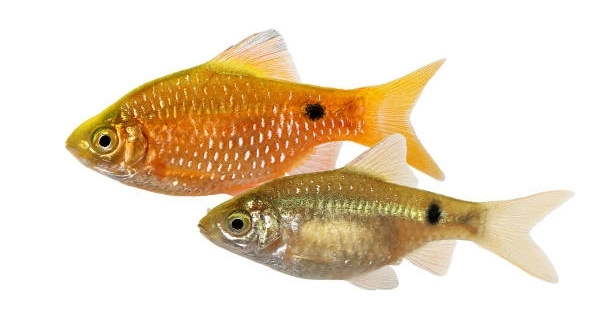
Rosy barbs are lively fish often kept in home aquariums. Their playful movements make them fun to watch and bring life to any tank. These behaviors sometimes look like they are just playing around.
Rosy barbs exhibit seven distinct behaviors that appear playful but serve important social and environmental functions. These include chasing, nipping, exploring, and interacting with tank mates, which contribute to their wellbeing and natural instincts.
Recognizing these behaviors helps aquarium owners better understand their fish. It can improve care and create a happier environment for rosy barbs.
Chasing and Nipping
Rosy barbs often chase each other around the tank, which can look like playful behavior. This chasing is part of their social interaction and helps establish a pecking order within the group. Sometimes, this can involve gentle nipping on fins or tails. While it may seem aggressive, it is usually harmless if the tank is spacious and has enough hiding spots. Overcrowding or lack of stimulation can make chasing more intense, which might stress some fish. Observing these behaviors helps owners understand when it is normal or when intervention is needed. Providing plants, decorations, and a proper group size can reduce stress and balance their playful chasing. Overall, this activity keeps rosy barbs active and mentally engaged, preventing boredom and promoting natural instincts in captivity.
Chasing and nipping are essential parts of rosy barbs’ social life, promoting interaction and hierarchy without serious harm.
Understanding these behaviors encourages better tank management. Proper environment and group size reduce stress, making chasing healthy rather than harmful. This knowledge helps keep rosy barbs happy and well-adjusted in their aquarium.
Exploring Their Environment
Rosy barbs are curious fish that enjoy exploring every corner of their tank. They swim through plants, investigate decorations, and even nibble at new objects. This behavior shows they are comfortable and confident in their space. Exploring helps stimulate their minds and keeps them active. If their environment lacks variety, they may become bored and restless. Adding plants, rocks, or safe ornaments creates a dynamic setting where they can discover new places daily. This not only improves their mood but also reduces aggression by giving them options to hide or rest. Watching rosy barbs explore can be rewarding because it reflects their natural behavior and helps maintain their health over time.
Exploration is vital for rosy barbs to stay healthy and mentally stimulated.
Providing a well-decorated tank encourages activity and reduces stress. Owners should regularly change or add decorations to keep their fish engaged. A lively environment supports their natural instincts and improves overall wellbeing.
Schooling and Swimming Together
Rosy barbs often swim closely in groups, a behavior known as schooling. This helps protect them and makes them feel safe in the tank.
Schooling is a natural instinct that helps rosy barbs stay alert to changes in their environment. When they swim together, they can react quickly to threats or sudden movements. This behavior also reduces stress because the fish feel less vulnerable when surrounded by others. Maintaining a proper group size is important since solitary rosy barbs may become anxious and less active. A school of at least five or six fish is ideal to support this social need. Watching them move as a group is calming and shows their natural harmony.
Swimming in schools encourages activity and social bonding. It keeps rosy barbs alert and connected, which is key for their health.
Resting and Hiding
Rosy barbs spend part of their day resting in quiet areas or hiding among plants and decorations. This downtime helps them recover energy.
Resting behavior is normal and necessary for rosy barbs to maintain good health. They may pause near the bottom or find a shaded spot to relax. Hiding also offers protection from potential stressors or overly active tank mates. Providing ample hiding places reduces tension within the group and allows shy or weaker fish to feel safe. Without such spaces, fish can become stressed, which may lead to illness or aggression. Regularly checking the tank layout and adding plants or caves encourages restful behavior and promotes a balanced aquarium environment. Rest periods are just as important as active moments for their wellbeing.
Nipping at Plants
Rosy barbs sometimes nip at aquarium plants. This behavior helps them explore their surroundings and test for edible material.
Nipping at plants can also be a sign they are looking for food or feeling curious. It is a natural part of their behavior.
Flare and Display
Rosy barbs occasionally flare their fins or brighten their colors to communicate. This is a way to show dominance or attract attention.
Following Movements
These fish often follow the movement of people or other animals outside the tank. This shows curiosity and awareness of their environment.
How can I tell if my rosy barbs are playing or fighting?
Rosy barbs show playful chasing and nipping as part of their natural behavior. If the chasing is quick and chasing fish return to normal swimming without injuries, it’s likely play. Fighting usually involves aggressive biting, fin damage, and one fish hiding or appearing stressed. Watching their body language helps—playful fish are more relaxed with smooth movements, while fighting fish may flare fins aggressively or show erratic behavior. If fights get too frequent or serious, consider checking tank conditions or separating overly aggressive individuals.
What is the best tank size for a group of rosy barbs?
A tank of at least 30 gallons is ideal for a small group of five to six rosy barbs. They need enough space to swim freely and form natural schools. Overcrowding causes stress and may increase aggressive chasing or fin nipping. Adding plants and decorations gives them places to hide and explore, which reduces tension. Proper filtration and water quality are also important to keep them healthy and comfortable in the tank environment.
Why do rosy barbs nip at plants? Is this harmful?
Nipping at plants is normal as rosy barbs explore and search for food. They may nibble on softer leaves but usually don’t damage hardy plants. Providing fast-growing or tougher plants like Java fern or Anubias can help reduce plant damage. If plant nibbling becomes excessive, it might mean they need more food or enrichment in the tank. Regular feeding and environmental stimulation can minimize unwanted nibbling.
How often do rosy barbs rest, and where do they prefer to hide?
Rosy barbs rest regularly during the day, often in shaded or quiet parts of the tank. They prefer hiding spots like dense plants, caves, or decorations. Resting helps them conserve energy and feel safe. Providing plenty of hiding places encourages this natural behavior and helps reduce stress. A well-planned tank layout with varied areas supports their need for downtime.
Do rosy barbs get lonely if kept alone?
Yes, rosy barbs are social fish and do best in groups. Alone, they may become stressed, less active, and show signs of anxiety. Keeping them in schools of at least five allows natural behaviors like schooling, chasing, and social interaction to occur. Group living improves their wellbeing and overall happiness in the aquarium.
What does it mean when rosy barbs flare their fins?
Flaring fins is a way rosy barbs communicate dominance or attract attention from other fish. It can happen during social interactions, such as establishing hierarchy or courtship. This display is normal and helps maintain social order within the group. Excessive flaring combined with aggressive chasing might indicate stress or overcrowding.
Why do rosy barbs follow movements outside the tank?
Following movements of people or other animals shows their curiosity and awareness. They recognize changes in their environment and may come close to the glass to observe. This behavior means the fish are alert and engaged, which is a good sign of mental stimulation. It also reflects their natural instinct to monitor potential threats or food sources.
Can chasing behavior ever be dangerous for rosy barbs?
Chasing is usually harmless but can become harmful if the tank is overcrowded or lacks hiding places. Continuous aggressive chasing can injure weaker fish and cause stress. Ensuring enough space, providing shelters, and maintaining a balanced group size helps prevent harmful behavior. If chasing turns violent, separating aggressive fish might be necessary.
How can I reduce aggression in my rosy barbs?
Reducing aggression involves keeping a proper group size, ensuring enough space, and providing hiding spots. Feeding them well and keeping the tank clean also lowers stress levels. Adding plants and decorations creates territories, which decreases fights. Observing fish behavior regularly allows early detection of problems so changes can be made before aggression worsens.
Are rosy barbs good for community tanks?
Rosy barbs can work well in community tanks with similarly sized, peaceful fish. Avoid keeping them with very slow or long-finned species, as rosy barbs may nip fins. They are active swimmers and prefer lively tank mates that can keep up. Careful selection and monitoring ensure peaceful coexistence in a mixed tank environment.
Rosy barbs are lively and social fish that bring energy to any aquarium. Their behaviors often look like playing, but each action serves a purpose in their natural instincts and social life. From chasing and schooling to exploring and resting, these behaviors help them stay active, healthy, and connected with their tank mates. Understanding what each behavior means makes it easier to care for rosy barbs and keep their environment balanced. When owners pay attention to these signs, they can create a comfortable space where rosy barbs thrive.
It is important to provide a proper environment that supports rosy barbs’ natural behaviors. A spacious tank with at least five or six individuals allows them to school and interact in healthy ways. Plants, decorations, and hiding spots give them places to explore and rest, which lowers stress and prevents aggressive behavior. Watching how rosy barbs nip at plants or follow movements outside the tank shows their curiosity and intelligence. Keeping the tank clean and feeding them regularly also plays a role in their overall wellbeing. Small changes in care and environment can make a big difference in how rosy barbs behave and feel.
Knowing the difference between playful actions and harmful aggression is key to good fishkeeping. Some chasing and nipping is normal, but owners should watch for signs of stress or injury. If aggression rises, it may mean the tank is too crowded or lacks hiding places. Adjusting group size, adding decorations, or separating fish can help reduce problems. Rosy barbs need social interaction and mental stimulation, so keeping them in a well-planned tank benefits their health and happiness. With proper care, rosy barbs remain lively companions who brighten any aquarium.

Hello,
If you enjoy the content that we create, please consider saying a "Thank You!" by leaving a tip.
Every little bit helps us continue crafting quality advice that supports the health, happiness, and well-being of pets around the world, for pets of all shapes, sizes, and species.
We really appreciate the kindness and support that you show us!