
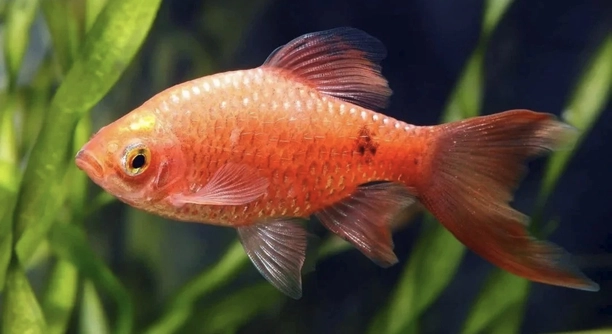
Rosy Barbs are popular freshwater fish known for their bright colors and lively nature. They bring charm to many home aquariums but also show behaviors that might surprise even experienced fish keepers. Understanding these traits can improve care and enjoyment.
Rosy Barbs exhibit social and territorial behaviors that balance between schooling and individual dominance. They display fin flicking, occasional nipping, and specific swimming patterns to communicate and establish hierarchy within their group. Such behaviors are natural and important for their well-being.
Knowing these surprising behaviors can help you create a healthier environment for your Rosy Barbs and deepen your appreciation for their unique nature.
Social Nature and Schooling Habits
Rosy Barbs are naturally social fish that prefer living in groups. When kept alone, they may become shy or stressed. In a school, they swim actively and interact with each other, which keeps them healthy and engaged. Their schooling behavior helps reduce aggression since they focus on the group rather than on individual competition. However, within the group, some Rosy Barbs will assert dominance by chasing or nipping others, especially when establishing territory or during feeding. This is a normal part of their behavior and not usually harmful unless the group is too small or overcrowded. Providing enough space and hiding spots helps reduce stress and allows them to show natural behaviors. Watching a healthy school of Rosy Barbs can be quite lively and enjoyable, as they move in sync and display their vibrant colors.
Their social habits require at least six Rosy Barbs in a tank to thrive comfortably and avoid stress-related problems.
Proper tank setup, including plants and open swimming areas, supports their active schooling lifestyle and minimizes conflicts within the group.
Fin Flicking and Communication Signals
Rosy Barbs often flick their fins as a form of communication. This behavior can indicate excitement, stress, or dominance, depending on the situation. Fin flicking is a subtle signal that other fish in the tank understand and respond to. When a Rosy Barb flicks its fins, it might be showing its presence or warning others to keep a distance. Sometimes, fin flicking accompanies chasing or nipping during mild territorial disputes. It is important to observe these signals to differentiate between harmless communication and signs of stress or aggression. If fin flicking is excessive or followed by injury, it may mean the tank conditions need adjustment. Providing enough space and maintaining water quality helps reduce unnecessary tension. Understanding this behavior allows better care and enhances the tank environment for Rosy Barbs.
Occasional Nipping Behavior
Rosy Barbs sometimes nip at the fins of slower or long-finned tank mates. This behavior is part of their natural social interaction but can cause stress if it becomes excessive.
Nipping often occurs when Rosy Barbs establish dominance or play within their group. They use quick, gentle bites to test boundaries or provoke reaction. In a crowded tank, nipping can increase, leading to injury. To prevent this, provide enough space and avoid slow-moving fish with long fins. Introducing fast, similarly sized fish can help balance aggression. Monitoring their behavior and adjusting the environment supports a peaceful community tank where Rosy Barbs can thrive alongside compatible species.
Keeping a balanced number of Rosy Barbs also reduces nipping. A group of six or more diffuses attention among many fish, preventing one from becoming a constant target. Regular observation allows early detection and intervention if nipping worsens, keeping the tank healthy and stress-free for all inhabitants.
Unique Swimming Patterns
Rosy Barbs display swift, darting swimming movements that can surprise those unfamiliar with them. These bursts of speed are part of their alertness and playful nature. They often swim near the surface but also explore middle and bottom levels of the tank.
This behavior shows their natural curiosity and need for stimulation. Fast swimming helps them avoid perceived threats and stay alert to changes in their environment. Their active movement requires a tank with ample open space to swim freely and plants or decorations to provide shelter. Without enough space, their energy may turn into aggressive behavior. Encouraging this natural activity supports their physical health and mental well-being.
Understanding these swimming patterns helps create an aquarium setup that mimics their natural habitat. A larger tank with varied structures encourages balanced activity, reducing stress and promoting longer lifespans. Regular observation of their movements also helps identify signs of illness or discomfort early, ensuring proper care and attention.
Color Changes with Mood
Rosy Barbs often change color based on their mood or health. When stressed or frightened, their colors may fade slightly.
Bright, vibrant colors usually indicate a healthy and comfortable fish. Dull or pale colors can signal illness, stress, or poor water conditions.
Feeding Behavior and Food Preferences
Rosy Barbs are omnivores with a preference for varied diets. They eagerly accept flakes, pellets, and live or frozen foods like brine shrimp or bloodworms. Feeding them a balanced diet supports their vibrant coloration and active lifestyle. Overfeeding can cause water quality issues, so portion control is essential. Observing their feeding habits can reveal their health status, as a sudden loss of appetite may indicate stress or disease. Providing small, frequent meals mimics their natural foraging behavior and helps maintain energy levels throughout the day.
Breeding Behavior
During breeding, male Rosy Barbs become more colorful and active, chasing females gently. Spawning occurs among plants or fine-leaved decorations.
Eggs are scattered and left unattended by the parents.
FAQ
Why do Rosy Barbs nip at other fish?
Nipping is a natural behavior among Rosy Barbs used to establish dominance or play. They nip gently to test boundaries within their group. This behavior can increase if the tank is overcrowded or lacks hiding spots. Providing enough space and tank mates of similar size and temperament reduces nipping. Maintaining a school of six or more Rosy Barbs also helps diffuse aggressive behavior, as attention is spread across multiple fish.
How many Rosy Barbs should be kept together?
Rosy Barbs are schooling fish that feel safest and healthiest in groups. A minimum of six individuals is recommended to encourage natural behavior and reduce stress. Smaller groups may lead to increased aggression and shyness, as the social dynamic is weakened. Larger groups promote schooling and help balance hierarchy without focusing aggression on one or two fish. Ensuring the tank is large enough for their active swimming also supports group health.
What tank size is ideal for Rosy Barbs?
A tank of at least 30 gallons is suitable for a small school of Rosy Barbs. They are active swimmers and need open space to dart around freely. Tanks smaller than this can increase stress and aggression, as there isn’t enough room to establish territories or escape from dominant fish. Adding plants and decorations helps create hiding spots but should not overcrowd swimming space. Proper filtration and water maintenance are also important for their health.
What water conditions do Rosy Barbs prefer?
Rosy Barbs thrive in water temperatures between 64°F and 72°F (18°C to 22°C). They prefer neutral to slightly alkaline water with a pH between 6.5 and 7.5. Regular water changes and good filtration are essential to keep nitrate levels low. Stable water parameters help prevent stress and disease. Sudden changes in temperature or water chemistry can cause color fading and erratic behavior.
Can Rosy Barbs live with other fish species?
Yes, Rosy Barbs generally do well with other peaceful to semi-aggressive fish of similar size. Good tank mates include danios, barbs, and some tetras. Avoid slow-moving or long-finned fish, as Rosy Barbs may nip at their fins. Proper tank size and hiding places also reduce territorial disputes. Introducing fish gradually and monitoring interactions helps maintain a peaceful community tank.
How often should Rosy Barbs be fed?
Feeding Rosy Barbs once or twice a day is sufficient. Provide small portions they can eat within a few minutes to avoid overfeeding and water quality problems. Their diet should include high-quality flakes or pellets along with occasional live or frozen foods like brine shrimp or bloodworms. A varied diet supports their health and coloration. Watching their feeding behavior helps spot any changes in appetite, which could signal health issues.
What signs indicate a healthy Rosy Barb?
Healthy Rosy Barbs have bright, vivid colors and clear eyes. They swim actively, school closely with others, and show interest in food. Their fins should be intact without tears or discoloration. Normal breathing and smooth movements are good indicators. Signs of illness include faded colors, lethargy, clamped fins, or spots on the body. Regular observation helps catch health problems early for timely treatment.
How do Rosy Barbs behave during breeding?
Male Rosy Barbs become more colorful and active during breeding season. They chase females gently, nudging them toward plants or fine-leaved decorations where eggs can be deposited. Eggs are scattered and left unattended, meaning parents do not guard or care for the young. To protect eggs, separating adults after spawning may be necessary. Breeding behavior usually increases activity and can cause temporary territorial disputes.
Is fin flicking a cause for concern?
Fin flicking is a common communication behavior in Rosy Barbs. It can indicate excitement, mild stress, or attempts to assert dominance. Occasional fin flicking is normal and not harmful. However, if it becomes constant or is paired with chasing and fin damage, it may signal aggression or poor tank conditions. Improving tank size, water quality, and group dynamics usually resolves excessive fin flicking.
What should be done if Rosy Barbs start to show stress?
Signs of stress include faded color, hiding, loss of appetite, and erratic swimming. To reduce stress, check water parameters and ensure proper filtration. Increase tank size if overcrowding is an issue, and provide hiding spots with plants or decorations. Avoid aggressive tank mates and keep a consistent feeding schedule. Regular observation and prompt adjustments help keep Rosy Barbs healthy and comfortable.
Final Thoughts
Rosy Barbs are lively and colorful fish that bring energy to any freshwater aquarium. Their behaviors, while sometimes surprising, are natural parts of how they communicate and interact with their environment. Understanding these behaviors can help keep them healthy and reduce stress in the tank. From schooling habits to fin flicking and occasional nipping, each trait plays a role in their social life. Providing the right group size and tank setup supports these behaviors and creates a peaceful, balanced environment.
Taking care of Rosy Barbs means paying attention to their water conditions and diet. They thrive in clean, stable water with moderate temperatures and a balanced pH level. Feeding them a varied diet of flakes, pellets, and live or frozen foods helps maintain their bright colors and active nature. Overfeeding should be avoided to prevent water quality issues. Watching how they eat and behave daily can give early signs of health problems, allowing for quick action when needed.
Creating a good habitat for Rosy Barbs involves giving them enough space to swim and explore. A tank of at least 30 gallons with plants and open areas is ideal. Plants offer hiding places that reduce aggression and help them feel secure. Careful choice of tank mates is also important to avoid stress and fin damage. With proper care and attention, Rosy Barbs can live long, healthy lives and continue to bring enjoyment to their keepers. Understanding their unique behaviors makes the experience of keeping them more rewarding.

Hello,
If you enjoy the content that we create, please consider saying a "Thank You!" by leaving a tip.
Every little bit helps us continue crafting quality advice that supports the health, happiness, and well-being of pets around the world, for pets of all shapes, sizes, and species.
We really appreciate the kindness and support that you show us!