
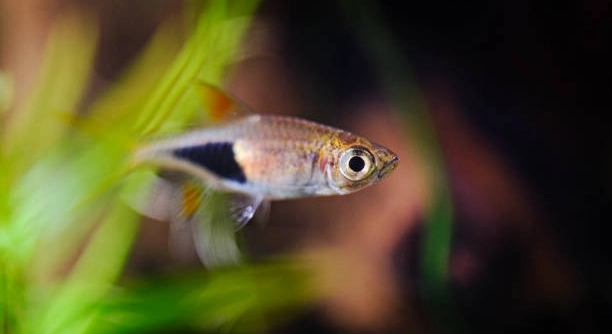
Are your rasboras acting differently since you added new tankmates to their home? You’re not alone—many fish keepers notice changes, big and small, when introducing new species into a shared aquarium space.
Rasboras may respond to tankmates with curiosity, stress, schooling behavior, hiding, territorial shifts, changes in feeding habits, or even temporary aggression. Each reaction depends on the tank’s setup, the species introduced, and the rasbora’s individual temperament.
Learning these responses can help you create a peaceful tank and make better choices for your fish’s well-being.
Rasboras May School Tighter or Loosen Their Group
When new tankmates are added, rasboras may change how they school. They’re naturally peaceful and prefer staying in groups, but unfamiliar fish can make them feel uncertain. In some cases, rasboras may school more tightly, especially if they sense a possible threat or feel uncomfortable with new movements around them. On the other hand, if the new fish are calm and non-intrusive, rasboras might relax and break formation more often. It’s important to observe how close they swim to each other in the days following the introduction of new fish. If they stay clumped together, they may be stressed. If they spread out calmly, they’re likely adjusting well. Schooling patterns can tell you a lot about how rasboras feel about their tankmates and their environment as a whole.
Tighter schooling usually signals stress or caution, while looser schooling may mean they feel safer and more settled in their environment.
Changes in schooling patterns often happen quickly, especially within the first few hours or days of adding tankmates. If the new fish are larger or more active, rasboras might hide behind plants or decorations and stick tightly together. This behavior isn’t always long-term. If the tank stays calm and there’s no chasing or nipping, rasboras often go back to their usual swimming patterns over time. Watching their body language and swimming rhythm will help you see if they’re adjusting. Adding more plants, driftwood, or hiding spaces can make the tank feel safer for them. It also helps to keep the light soft for the first few days. These changes can ease the transition and support healthy schooling behavior.
Rasboras Might Display Temporary Aggression
Mild aggression can show up when rasboras are unsure or unsettled, especially if the tank feels crowded or unbalanced.
Rasboras are usually peaceful, but when space is limited or the new fish compete for food or territory, some individuals may chase or nip. This kind of behavior is usually short-lived, especially if the tank has enough space and decorations to break up lines of sight. If the new tankmates are calm and not overly active, the rasboras tend to settle faster. Make sure the school is large enough—rasboras feel more confident and less stressed in bigger groups. A school of at least six helps lower anxiety and reduce aggressive behavior. Feeding well and keeping a consistent routine also helps keep everyone calm. If aggressive signs continue, it’s worth checking water parameters, tank size, and hiding spots. A calm environment helps rasboras return to their normal behavior and accept the new fish with time.
Rasboras May Hide More Often
Rasboras might begin to hide behind plants, rocks, or decorations when new fish are introduced. This is often a stress response, especially if the newcomers are larger, fast swimmers, or show dominant behaviors during feeding or swimming.
If you notice your rasboras hiding more than usual, it’s likely they feel unsettled by the change. This doesn’t always mean something is wrong, but it’s worth paying attention to. Make sure there are enough shaded areas and natural hiding spots to make them feel safe. Avoid overcrowding, as that can make it harder for rasboras to find calm spaces. Keeping a regular feeding schedule and limiting sudden tank changes will help them feel more secure. In most cases, once they get used to the new tankmates, they come out more often and resume their normal routines.
A peaceful tank setup can help ease this response. Plants like java fern, anubias, or floating options like water lettuce give rasboras spaces to rest without feeling exposed. If they’re still hiding after several days, double-check that the new fish aren’t showing aggressive behavior. You may also want to recheck the tank layout to make sure it offers both open swimming zones and covered areas. Lighting also plays a role—softer lighting helps reduce stress. When rasboras feel secure, they become more active, visible, and socially relaxed.
Rasboras Could Change Their Feeding Behavior
Some rasboras may eat less or approach food cautiously after new tankmates arrive. This is usually caused by stress, sudden competition, or changes in routine.
If rasboras aren’t eating normally, try feeding small amounts in multiple areas of the tank to avoid crowding at the surface. Fast swimmers can often outcompete them during feeding time, especially if they’re bold or aggressive. Watch how your rasboras act around food. If they hang back or dart away, they may be feeling overwhelmed. Separating feeding times or distracting other fish with food on the opposite side of the tank can help. Keeping the lighting calm and using sinking or slow-falling food can also support better access. Once rasboras feel safe again, their usual feeding habits should return.
Rasboras May Become More Active or Restless
Some rasboras react to new tankmates with bursts of swimming or pacing along the tank walls. This behavior usually signals overstimulation or uncertainty in the new social setup.
Increased activity often fades after a few days, once they’ve adjusted to new swimming patterns and feeding dynamics in the tank.
Rasboras May Shift Their Territory
Rasboras don’t claim territory in the same way as more aggressive species, but they do have preferred areas in the tank. New fish can push them into new zones, especially if the rasboras feel pressured or outnumbered. You may see them swimming lower, hiding more, or sticking close to certain plants or decorations. Observing this shift helps you see how well they’re adapting. Adding extra plant cover or rearranging decorations can even the playing field and give all fish a chance to settle comfortably without creating lasting tension.
Rasboras Might Go Silent
Less movement and quiet swimming can mean your rasboras are unsure or uncomfortable. This response is common in the first few days after new fish are added.
How can I tell if my rasboras are stressed by new tankmates?
Signs of stress in rasboras include tighter schooling, excessive hiding, loss of appetite, and unusual aggression or restlessness. They may also show faded colors or rapid breathing. Watching their usual behavior closely after adding new fish helps spot these changes early.
What should I do if my rasboras are hiding too much?
Make sure there are plenty of hiding spots like plants, rocks, or decorations. Soft lighting can reduce stress. Avoid sudden movements around the tank, and maintain stable water conditions. If hiding continues beyond a week, consider whether the new tankmates are too aggressive or active for your rasboras.
Is temporary aggression normal when introducing new fish?
Yes, mild aggression or chasing can happen as fish establish social order. Rasboras usually calm down once everyone adjusts. Ensuring enough space and hiding places helps reduce tension and allows all fish to feel secure.
Can feeding habits change when new tankmates arrive?
Yes, rasboras may eat less or feed cautiously if they feel threatened or outcompeted. Feeding small portions in different spots and using sinking food can help them access meals without stress.
Should I separate rasboras if they seem too stressed?
Separation is a last resort. First, try improving tank conditions—more plants, proper space, and a calm environment. If stress signs continue and affect health, consider relocating either the rasboras or the new fish temporarily.
How long does it take for rasboras to adjust to new tankmates?
Adjustment usually takes several days to a couple of weeks. During this time, behavior like hiding or restlessness should decrease as they grow comfortable with the new community.
What tankmates are best for rasboras?
Calm, non-aggressive fish that swim at similar levels are ideal. Examples include small tetras, peaceful gouramis, and some corydoras. Avoid large, territorial, or highly active species that might stress rasboras.
Can water quality affect rasboras’ reactions to new fish?
Poor water quality adds stress and can worsen behavior changes. Keep water clean, with stable temperature and parameters suited for rasboras. Regular testing and maintenance help prevent unnecessary stress.
Why do rasboras sometimes become more active or restless?
Increased activity can be a response to stress or excitement about the new tankmates. It may also indicate searching for food or new hiding spots. Usually, this behavior calms down once the fish feel settled.
Is it normal for rasboras to change where they swim in the tank?
Yes, rasboras may move to different areas if pushed by new fish or if they find better hiding spots. This territorial adjustment is part of how they adapt to the new environment.
How can I support rasboras during the transition?
Provide plenty of plants and decorations for cover, feed regularly but gently, keep the lighting soft, and maintain stable water conditions. Minimize sudden changes and observe daily for signs of stress or illness.
What if rasboras don’t return to normal behavior?
Persistent hiding, refusal to eat, or ongoing aggression are signs of trouble. Reevaluate tankmates, space, and water quality. It may be necessary to separate fish or consult a specialist for advice.
Do rasboras show different responses based on their personality?
Yes, individual rasboras can be shy or bold, affecting how they react to newcomers. Some adjust quickly, while others need more time and shelter to feel comfortable.
Can tank size affect how rasboras respond to new fish?
Smaller tanks can increase stress because there’s less space to avoid conflicts. Larger tanks with good layout give rasboras more room to swim and hide, reducing tension.
Are there signs to watch for that indicate a serious problem?
Look for prolonged lethargy, loss of color, rapid breathing, or physical injury. These require quick action to prevent illness or death. Early detection improves chances for recovery.
When adding new tankmates to a rasbora aquarium, it’s important to expect some changes in behavior. Rasboras are sensitive fish that respond to their environment and companions. Their reactions can range from hiding and tighter schooling to temporary restlessness or mild aggression. These behaviors are natural ways for rasboras to adjust and protect themselves. Giving them enough space, providing plenty of hiding spots, and keeping a calm environment help reduce their stress and support smoother transitions. Understanding these responses helps fish keepers create a better home for their rasboras and the whole community.
Keeping an eye on how your rasboras behave after introducing new fish is key. Changes like reduced feeding, shifting swimming areas, or increased hiding should not be ignored. These signs often indicate that the fish need more time or a better setup to feel safe. It’s normal for rasboras to take a few days or even weeks to fully settle in with new tankmates. During this time, keeping the water quality stable and feeding gently can make a big difference. Avoid sudden changes like loud noises or bright lights, which can add extra stress. The more comfortable the tank is, the faster your rasboras will return to their usual peaceful selves.
Every tank is different, and rasboras may respond uniquely depending on their personalities, tank size, and the species added. Patience and careful observation are essential. If problems continue, it’s okay to rethink tankmates or make adjustments in the aquarium layout. The goal is to keep all fish healthy and stress-free. With good care and attention, rasboras can thrive alongside new companions, showing their natural beauty and peaceful nature. Taking the time to understand their responses will help you enjoy a balanced and happy tank.

Hello,
If you enjoy the content that we create, please consider saying a "Thank You!" by leaving a tip.
Every little bit helps us continue crafting quality advice that supports the health, happiness, and well-being of pets around the world, for pets of all shapes, sizes, and species.
We really appreciate the kindness and support that you show us!