
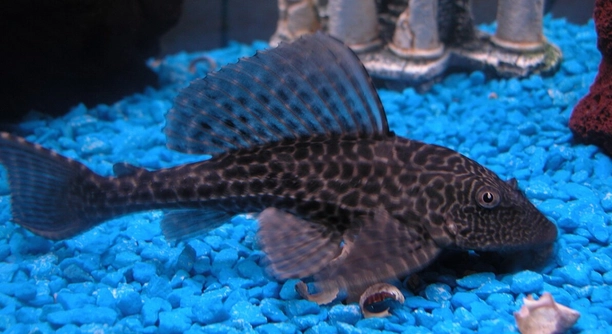
Keeping a pleco tank healthy involves a balance of water conditions, but sometimes there are signs that something is wrong. Understanding the red flags in your tank’s water can help you avoid serious problems.
The seven red flags in pleco tank water include changes in color, cloudiness, unusual odors, high ammonia levels, pH imbalance, excessive algae, and improper temperature. These signs indicate potential problems that can harm both the water quality and the fish.
By addressing these red flags early, you can maintain a healthier environment for your plecos and prevent long-term damage. Proper water care is essential for their well-being and longevity.
Red Flag 1: Cloudy Water
Cloudy water in a pleco tank can be a sign of an issue with water quality. It often means that there’s an overgrowth of bacteria or algae, or the filter is not working properly. If you see your water turn cloudy, it’s important to check the water parameters right away. Poor water quality can stress your plecos, making them more susceptible to diseases.
Sometimes, the cloudiness is caused by excess waste in the tank. If the filter isn’t filtering effectively, waste particles may accumulate. It’s a good idea to clean your filter and perform a water change to help clear things up. Make sure your filter is the right size for your tank and is functioning properly.
In addition, cloudy water can also indicate that there are high levels of nitrates or ammonia in the tank. Test the water to make sure that the chemical levels are within safe ranges. If the cloudiness persists, the problem may require a deeper cleaning or adjustments to the tank setup. Regular maintenance is key to avoiding cloudy water and maintaining a healthy environment for your plecos.
Red Flag 2: Unusual Odors
Unpleasant smells coming from your pleco tank are a red flag that something isn’t right. Odors may indicate rotting food, decaying plant matter, or a buildup of waste. Regular tank maintenance is essential to prevent such smells.
If you notice an odor, the first step is to check the water quality. Ammonia and other harmful chemicals can cause foul smells that stress your plecos. Make sure your tank has proper filtration, and that any uneaten food is removed promptly.
Decomposing organic matter, like uneaten food or dead plants, releases a smell that can make the tank uninhabitable for your fish. If there’s an issue with filtration, the smell will continue to worsen, leading to poor water quality. To avoid bad odors, perform regular water changes and clean the tank thoroughly every week. Keep an eye on food amounts and remove any leftovers quickly. It’s the best way to keep your plecos happy and healthy.
Red Flag 3: High Ammonia Levels
Ammonia is toxic to plecos, and high levels in the tank water can lead to health problems. If ammonia levels are high, your plecos will become stressed, and their gills may be damaged. Regular testing is essential to keep ammonia in check.
If you notice high ammonia readings, perform a water change immediately. It’s also important to clean the substrate and remove any leftover food or waste that might be contributing to the problem. Make sure your filter is working properly and large enough for the size of your tank. Consider adding biological filtration to help break down ammonia more effectively.
Ammonia spikes can occur when there’s too much organic matter in the tank, like uneaten food or waste buildup. A well-maintained tank with proper filtration will help prevent ammonia buildup. Keep track of your water parameters and do regular testing to ensure your plecos stay safe and healthy in their environment.
Red Flag 4: pH Imbalance
If the pH in your pleco tank is too high or too low, it can create stress and health problems for your fish. Plecos typically prefer a pH range of 6.5 to 7.5, and deviations from this range should be addressed.
To check for pH imbalance, use a reliable testing kit. If the pH is too high or low, you can adjust it gradually by using pH buffers. Avoid making sudden changes to the pH, as this can cause additional stress. It’s best to adjust slowly over time to allow your plecos to adapt to the new water conditions.
When pH imbalances occur, it’s often due to poor water changes, excessive fish waste, or adding tap water with poor pH levels. If the pH continues to fluctuate, it’s time to check your water source and filtration system. Consistent water parameters are essential for the long-term health of your plecos. Regular monitoring and proper maintenance will ensure your tank remains a stable environment for your fish.
Red Flag 5: Excessive Algae Growth
Excessive algae growth is another sign that something may be wrong with your pleco tank’s water. It can indicate that there’s too much light, too many nutrients, or poor water quality.
Algae thrive when there’s an overabundance of nutrients like nitrates or phosphates in the water. A common cause is overfeeding or insufficient water changes. To combat excessive algae, reduce the amount of light your tank receives and clean the tank regularly. Make sure to remove any algae buildup from the glass, decorations, and substrate to prevent further growth.
Adding live plants to the tank can help balance nutrient levels and outcompete algae for resources. Keeping a good cleaning routine will not only help remove algae but also maintain the overall health of your plecos. A well-maintained tank with a proper filtration system will prevent excessive algae growth and keep the water cleaner for longer periods.
Red Flag 6: Unstable Temperature
An unstable water temperature can cause stress and health problems for plecos. These fish prefer a steady temperature between 74°F and 80°F (23°C to 27°C). Any fluctuations outside this range can impact their immune system.
Invest in a good aquarium thermometer to monitor the water temperature closely. If it fluctuates too much, check your heater. Sometimes, heaters can malfunction and cause sudden drops or spikes in temperature, which can be harmful. Adjust the heater as needed and keep the temperature stable by avoiding drafts or placing the tank in direct sunlight.
Red Flag 7: Sudden Behavioral Changes
Sudden changes in your plecos’ behavior can point to issues with the water quality or their environment. If your plecos are hiding more than usual, moving erratically, or not eating, it’s a sign they may be stressed.
Changes in behavior can indicate poor water quality, high ammonia levels, or an imbalance in other water parameters. Stress can also be caused by overcrowding or aggression from other fish in the tank. To address this, test the water regularly, ensure the tank is properly filtered, and check for any other potential stressors.
FAQ
How often should I test my pleco tank water?
Testing your pleco tank water at least once a week is ideal. This ensures that any changes in water quality are detected early. You should test for ammonia, nitrates, nitrites, pH, and temperature regularly to avoid any surprises. If you notice a problem, test more frequently until it’s resolved. By keeping track of these parameters, you can prevent major issues before they escalate. Regular testing is a simple yet effective way to keep your plecos healthy and happy.
What should I do if ammonia levels are too high?
If ammonia levels are too high, it’s important to take immediate action. Start by performing a water change of 25-50% to dilute the ammonia. Make sure to remove any uneaten food and excess waste from the tank, as these contribute to ammonia buildup. Check your filter to ensure it’s working correctly and large enough for your tank. Adding a biological filter can help break down ammonia over time. Continue monitoring the ammonia levels after the water change, and perform additional changes as needed. High ammonia levels can cause stress and even harm to your plecos, so acting quickly is crucial.
Can I use tap water for my pleco tank?
Tap water can be used for your pleco tank, but it’s important to treat it before adding it to the tank. Many tap waters contain chlorine or chloramine, which can harm your fish. You should use a water conditioner that neutralizes these chemicals. Additionally, test your tap water for other parameters like pH, hardness, and mineral content. If your tap water is too soft or too hard, it could affect your pleco’s health. You might need to adjust it using water additives or by blending it with distilled or RO (reverse osmosis) water to achieve a more suitable environment.
What temperature is best for plecos?
Plecos thrive in temperatures between 74°F and 80°F (23°C to 27°C). Keeping the water within this range is essential for their health and activity levels. Temperatures outside of this range can cause stress and weaken their immune systems. Use a reliable aquarium heater to maintain a stable temperature, and check it regularly with a thermometer. Avoid placing your tank in areas where the temperature fluctuates, such as near windows or in drafts. Maintaining a stable temperature helps ensure your plecos stay active, eat well, and resist illness.
How can I prevent algae buildup in my pleco tank?
Algae buildup in a pleco tank is often caused by an excess of nutrients in the water. To prevent it, avoid overfeeding your plecos, as leftover food can increase nitrate levels. Make sure to perform regular water changes to maintain good water quality. Reduce the amount of light your tank receives, as algae thrive in light. Consider adding live plants, which will help absorb excess nutrients and limit algae growth. Regularly scrub the glass, decorations, and substrate to remove any algae. A well-maintained tank with proper filtration will help keep algae growth under control.
Can plecos survive in low light tanks?
Yes, plecos can survive in low light tanks, but they still need some form of light to establish a healthy environment. They are nocturnal creatures, so they don’t require as much light as other fish, but a moderate amount of light is still necessary for their well-being. Low light can also help prevent algae overgrowth, which is beneficial for your plecos. Ensure your tank receives a few hours of light each day and provide them with plenty of hiding spots like caves or driftwood where they can rest during the day.
What should I do if my plecos aren’t eating?
If your plecos aren’t eating, it could be a sign of stress, poor water quality, or illness. First, check the water parameters to make sure everything is within the proper range. A water change might help if the water quality is poor. If the tank conditions are fine, try offering a variety of foods like algae wafers, vegetables, or live food to see if they have a preference. If your plecos continue to refuse food, it may be a sign of illness or parasites, and you may need to quarantine them and consult a vet if necessary.
How can I keep my pleco tank clean?
To keep your pleco tank clean, perform regular water changes, ideally 25-50% every week. This helps to remove waste, uneaten food, and excess nutrients that can lead to poor water quality. Use a good filtration system to remove debris and keep the water circulating. Additionally, remove any uneaten food promptly to prevent it from decomposing in the tank. Clean the substrate and decorations regularly, using a gravel vacuum to remove waste buildup. Regular tank maintenance will help keep the water clear and your plecos healthy.
Do plecos need a filter?
Yes, plecos need a filter to maintain clean, oxygenated water. A good filter will help remove waste, uneaten food, and toxins like ammonia and nitrates. Plecos are large waste producers, so a filter is essential for maintaining good water quality. Make sure your filter is strong enough for the size of your tank, but avoid placing it in areas where it creates too much current, as plecos prefer calm water. Regular filter maintenance is also important to ensure it’s working efficiently. A clean and functional filter is key to the overall health of your tank.
Can I keep multiple plecos together?
You can keep multiple plecos in the same tank, but it’s important to choose species that can coexist peacefully. Some plecos can be territorial, especially males, and may fight with each other if they feel crowded. It’s best to keep a single pleco or have a large enough tank with plenty of hiding spots and territories for each pleco. If you’re keeping different pleco species together, ensure their sizes and needs are compatible. Providing lots of space and hiding spots will help reduce stress and aggression among your plecos.
Final Thoughts
Taking care of a pleco tank requires consistent monitoring of water quality and maintaining proper tank conditions. Plecos are hardy fish, but they are sensitive to changes in their environment. Regular testing of the water, along with proper filtration and tank cleaning, helps prevent most common issues. By addressing problems like ammonia spikes, pH imbalances, or excessive algae growth early, you can ensure that your plecos stay healthy and thrive in their environment. Understanding the importance of stable water conditions is key to their well-being.
A well-maintained tank not only keeps your plecos happy but also reduces the risk of stress and disease. Keeping a consistent routine, such as regular water changes and cleaning, ensures that harmful substances don’t build up over time. A good filter, proper temperature control, and adequate lighting are all essential components that make up a healthy tank. Additionally, removing any uneaten food or waste promptly helps keep the water clean and free from harmful toxins that can affect your plecos.
While it may seem like a lot of work, the reward of having healthy plecos in a clean and well-maintained tank is worth the effort. Taking the time to learn about water quality, tank conditions, and proper care can prevent many common issues. By keeping your tank clean, monitoring your plecos’ behavior, and addressing red flags as soon as they appear, you can create a peaceful environment that promotes the health and happiness of your fish. Proper care and attention to detail go a long way in ensuring your plecos have a long and healthy life in your aquarium.

Hello,
If you enjoy the content that we create, please consider saying a "Thank You!" by leaving a tip.
Every little bit helps us continue crafting quality advice that supports the health, happiness, and well-being of pets around the world, for pets of all shapes, sizes, and species.
We really appreciate the kindness and support that you show us!