
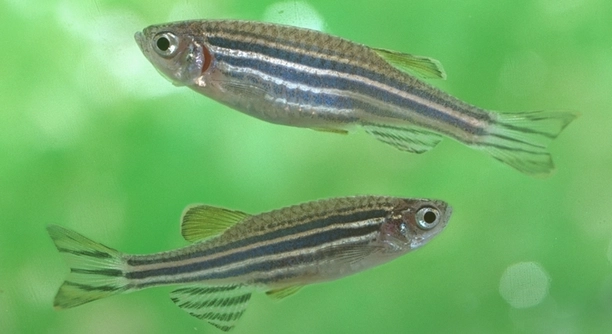
Do your zebra danios often swim together but suddenly stop eating when in a group? It can be confusing and a little worrying. Understanding the reason behind this behavior can help improve their overall care.
Zebra danios may refuse to eat in groups due to stress, dominance behavior, or environmental factors such as overcrowding or poor water quality. These issues can disrupt their feeding habits, especially when multiple fish are involved.
Understanding how stress and tank dynamics affect feeding can help you create a healthier environment for your zebra danios.
Stress from Tank Mates
Zebra danios are active fish that enjoy swimming around, but they can become stressed if other fish in the tank are too aggressive or fast-moving. Stress makes it hard for them to feel safe enough to eat, especially in groups. Even if the tank looks peaceful, subtle bullying or constant chasing can cause anxiety. A stressed zebra danio may stay away from food or hang back while others eat. Over time, this leads to irregular eating habits or complete refusal to eat in a group setting. Watching closely and identifying which fish are bothering your danios can help. Moving aggressive tank mates to a separate tank or rearranging decorations to create more hiding spots may make a difference. Stress isn’t always loud or obvious—sometimes it’s just the constant pressure of sharing space with fish that don’t give them room to relax and feed comfortably.
Zebra danios thrive best when they feel secure. A calm tank reduces food refusal.
If your zebra danios were eating well before and suddenly stopped, take a good look at the tank dynamics. A change in fish behavior, like increased chasing, could mean someone is asserting dominance. It’s important to correct this quickly, as ongoing stress affects appetite and immune health.
Water Quality Concerns
Poor water quality can impact feeding behavior.
Zebra danios are hardy, but they still react negatively to poor water conditions. High ammonia, nitrite, or nitrate levels can lead to stress, which lowers their appetite. Even if the tank looks clean, the water may contain invisible toxins. These toxins affect their comfort, especially when grouped together. When many fish are in a small space, waste builds up faster, and oxygen levels can drop. This makes it harder for all fish to breathe, especially during feeding time when energy needs increase. A simple fix is regular testing and consistent water changes. If you notice the danios swimming at the surface or being less active, it’s a sign the water isn’t right. Feeding behavior is one of the first things to change when conditions start to decline. Maintaining clean, balanced water is key to keeping them healthy and hungry, even when eating in a group.
Incompatible Feeding Times
Zebra danios may not eat in groups if feeding times don’t match their natural rhythm. They’re most active during the day, especially in the morning. Feeding them too early or too late can confuse them.
If you feed your zebra danios when the tank is still dark or too close to bedtime, they may not feel alert enough to eat, especially in a group setting. Some fish may also wake up slower than others and miss out on food. This can create a pattern where only the dominant or fastest ones eat regularly, while others skip meals. Over time, the less confident fish stop trying altogether. It helps to feed when the tank is fully lit and the fish are already swimming around actively. Sticking to a consistent time each day can build a better feeding routine that encourages all your danios to eat together without hesitation.
Feeding more than once a day can also help improve group feeding. Smaller portions in the morning and evening allow all fish a better chance to access food, especially if some tend to hang back. It reduces competition and prevents leftovers from dirtying the tank. This routine can help shy eaters feel more confident over time.
Food Texture and Type
Some zebra danios don’t like the texture of certain foods, which can lead to food being ignored. If the flakes are too big, too hard, or sink too quickly, it can cause confusion or disinterest. Group feeding can make this worse.
Zebra danios prefer light, floating food they can nibble on near the surface. If the food sinks quickly, faster or more dominant fish may get it first, leaving the rest confused or uninterested. Frozen or freeze-dried food can sometimes be too large or have a smell that they don’t recognize. Trying out different types of food—like crushed flakes, small pellets, or micro granules—can make feeding more appealing and accessible. You might also find that live foods like baby brine shrimp increase interest, especially when they’re eating in a group. Switching things up occasionally helps you see what they respond to best.
Temperature Fluctuations
Zebra danios may stop eating in groups if the water temperature shifts too often. Sudden drops or spikes can stress their bodies, slowing digestion and lowering interest in food. Stable temperatures keep their energy steady and their appetite consistent.
If your tank sits near a window, heater, or vent, the temperature may rise and fall more than you realize. Even small daily changes can make group feeding feel stressful. A reliable heater and thermometer help maintain a steady environment where all your zebra danios feel comfortable enough to eat.
Hierarchy and Aggression
In some groups, dominant zebra danios may chase or intimidate others during feeding. This behavior creates a social barrier where timid fish stay back, skip meals, or get pushed away. Feeding in multiple spots or spreading food out helps reduce this competition. Watching for bullies can guide small tank changes.
Lack of Hiding Spots
Without enough hiding places, zebra danios may feel exposed and unsafe. When they’re nervous, they often avoid group feeding. Adding plants, decorations, or caves helps them feel secure. Confident fish are more likely to eat comfortably around others.
FAQ
Why do my zebra danios only eat when they are alone?
Some zebra danios feel more relaxed eating alone because they aren’t competing with others. In a group, they may get pushed aside or feel nervous. This is common in tanks with strong dominance behavior or if there isn’t enough space. Separating feeding spots or spreading food more evenly can help those shy danios feel safe enough to eat during group feedings.
Can poor lighting affect group feeding in zebra danios?
Yes, poor lighting can make your zebra danios confused or less active during feeding. They are more likely to eat when the tank is bright and consistent. If the lights flicker, are too dim, or suddenly change, it may make them feel uneasy. Good lighting helps them see the food clearly and encourages a sense of safety, which makes group feeding easier.
What signs show that stress is causing my zebra danios not to eat in groups?
Look for signs like hiding, rapid swimming, clamped fins, or staying near the bottom. If your zebra danios avoid others, dart around the tank, or ignore food completely, stress is likely playing a role. Stress often comes from tank mate aggression, water problems, or loud environments. Fixing the source of stress usually improves feeding habits over time.
Is it normal for only some of my zebra danios to eat during feeding?
Yes, but it depends on the cause. If only one or two are always eating while the rest hang back, it may be a sign of uneven feeding opportunities. This could mean some fish are more dominant, or the food is not reaching everyone. Spreading out the food or switching to smaller portions more often can give everyone a fair chance.
How often should I feed zebra danios to avoid group feeding issues?
Twice a day is usually enough. Feeding once in the morning and again in the evening helps prevent overeating and gives all fish a chance to eat. Smaller, more frequent meals can also reduce pressure during group feeding, especially if some fish are shy or slow to approach food.
What type of food encourages better group eating behavior?
Floating flakes or small pellets work best. Zebra danios like to feed near the surface, so sinking foods may get ignored. Crushed flakes or micro pellets are easier for everyone to access, especially in a group. Adding variety, like live or freeze-dried brine shrimp, can also keep them interested and reduce picky behavior.
Should I separate aggressive fish during feeding?
If one or two fish are constantly chasing others or hogging food, it can help to move them temporarily during feeding. Another option is to add more decorations or hiding spots to break up sightlines in the tank. Creating separate feeding zones by placing food in different areas can also help reduce tension.
Can cold water make zebra danios stop eating together?
Yes, zebra danios need warm, stable water to stay active and hungry. When the temperature drops below their preferred range (around 72–78°F), their metabolism slows down, and they may stop eating—especially in groups where they already feel a little stressed or unsure. Keeping the tank at a consistent temperature helps a lot.
Do zebra danios need a feeding routine to eat better in groups?
Absolutely. Feeding them at the same time each day helps them build trust in the environment. When they know food is coming regularly, they’re less anxious and more willing to eat around others. Routine also helps reduce competition, since everyone gets used to the timing and knows when to expect food.
Is it safe to use feeding rings to reduce group feeding problems?
Yes, feeding rings are helpful tools. They keep the food in one spot at the surface and make it easier for all fish to reach it without chasing it around. You can also place multiple feeding rings in the tank to break up aggressive behavior and give shy fish their own space to eat.
Final Thoughts
Zebra danios are small, active fish, but their feeding habits can be affected by many small changes in their environment. If they refuse to eat in groups, it usually means something in the tank setup is not right. It may be related to water quality, temperature changes, stress from other fish, or even the type of food you are using. Paying attention to their behavior during feeding time can help you spot problems early. Sometimes the issue is small, like flakes that sink too fast or lights that are too dim. Other times, it may be more serious, like aggression or poor tank conditions.
Helping zebra danios eat well in a group starts with keeping their environment calm and stable. Make sure the water is clean, the temperature stays within the right range, and there’s enough space for everyone. Adding plants, hiding spots, or decorations can also make a big difference. These things give fish a sense of safety, which helps them feel more confident when it’s time to eat. If you notice certain fish always missing out on food, try feeding in more than one spot. You can also break up feedings into smaller portions given at different times of day. These changes are easy to do and often improve feeding behavior.
Feeding is one of the most important parts of keeping zebra danios healthy and active. When they don’t eat well in a group, it can lead to health issues or even fights over food. But with a few simple adjustments, most problems can be solved. Watch how your fish behave during mealtimes. Look for signs of stress or bullying. Try different food types and feeding tools, like rings or floating pellets, to see what works best. Each tank is a little different, and sometimes small changes can lead to big improvements. When your zebra danios feel safe and comfortable, they are more likely to eat together without issues. This leads to a healthier, more peaceful tank overall.

Hello,
If you enjoy the content that we create, please consider saying a "Thank You!" by leaving a tip.
Every little bit helps us continue crafting quality advice that supports the health, happiness, and well-being of pets around the world, for pets of all shapes, sizes, and species.
We really appreciate the kindness and support that you show us!