
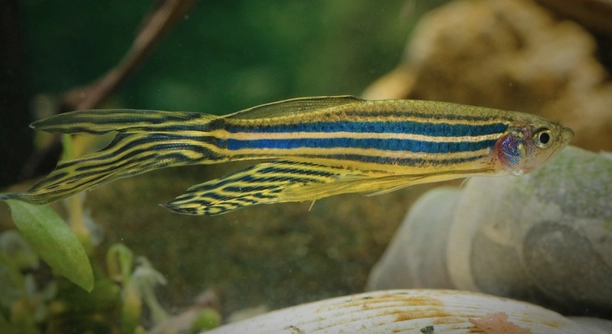
Zebra Danios are a popular fish known for their playful behavior and active schooling habits. However, sometimes these fish might not school as expected. Understanding the reasons behind this behavior can help you care for your fish better.
Zebra Danios may refuse to school due to factors like stress, improper water conditions, health issues, or genetic traits. Their schooling behavior is influenced by environmental stability, tank mates, and overall well-being. Identifying the cause can help improve their social habits.
There are several factors that influence why your zebra danios might not be schooling together. Understanding these can help you provide a better environment for your fish and ensure they are happy and healthy.
Stress and Anxiety
Stress is one of the leading reasons why zebra danios might not school together. These fish are naturally social, but they need a calm and stable environment to feel safe. Any change in their surroundings—like new tank mates, water temperature shifts, or even excessive noise—can trigger anxiety. Stress can cause them to scatter instead of staying together. When stressed, zebra danios often hide or isolate themselves from the group, which disrupts their natural schooling behavior.
Stress can be minimized by keeping their tank clean, maintaining stable water parameters, and ensuring that they are not overcrowded. If any new additions are made to the tank, be sure to introduce them slowly, so the danios have time to adjust.
The more peaceful and stable the tank is, the better your zebra danios will feel. This will help them get back to schooling behavior. Keeping the tank environment as calm as possible is essential for the well-being of your fish.
Water Conditions
Water quality is crucial for all aquarium fish, and zebra danios are no exception. They require clean, well-maintained water to thrive. If the water is too dirty, has an imbalanced pH, or fluctuates in temperature, it can cause discomfort. Inconsistent water conditions may lead to stress and reduced activity, affecting their natural schooling behavior.
Make sure to test your tank’s water regularly and adjust the filtration system as needed. Keeping the tank water clean not only supports the health of your zebra danios but also encourages them to behave as they would in the wild. Water quality directly impacts their mood and overall behavior.
Ensuring proper water parameters like temperature, pH, and ammonia levels is a simple but essential step in helping your zebra danios feel comfortable enough to school together. Healthy, stable water conditions will encourage your fish to socialize and swim in groups again.
Health Issues
If your zebra danios are refusing to school, it could also be related to their health. Fish that are unwell tend to act differently, often isolating themselves from others. Diseases like fin rot, parasites, or internal infections can lead to abnormal behavior. Sick fish may have reduced energy levels, affecting their ability to swim in a group.
A sick fish might spend more time hiding and may not engage with the school. This could be a sign that your fish needs extra care. If you notice unusual behavior like clamped fins, discolored spots, or lack of movement, it’s best to isolate the sick fish and treat it promptly.
In addition to preventing illness, ensuring a nutritious diet and regular water changes will help your zebra danios stay healthy. Regular health checks and prompt treatment of any issues are important steps in ensuring that your fish are fit enough to swim together. Keep a close eye on them for any signs of health problems.
Tank Size and Space
Sometimes zebra danios won’t school because they don’t have enough space. These fish are active swimmers and need a larger tank with plenty of room to move around. When kept in small, cramped tanks, they may become more territorial and less likely to interact with the rest of the group. It’s essential to provide them with enough space to swim freely.
A tank that’s too small can lead to stress and discomfort, which often results in fish being more isolated. If you find that your zebra danios aren’t schooling, try upgrading to a bigger tank that offers more swimming space.
Larger tanks, in general, provide better stability for water conditions, which also helps to reduce stress. A spacious environment allows the fish to exhibit more natural behaviors, including schooling. If you want your zebra danios to swim together, make sure their living space is roomy enough to encourage social behavior.
Tank Mates
The type of fish you keep with your zebra danios can impact their schooling behavior. Aggressive or overly territorial fish can make zebra danios feel threatened, causing them to scatter and avoid schooling. It’s important to choose peaceful tank mates that won’t stress your danios.
Fish that are too large or dominant may chase or bully zebra danios, preventing them from swimming in groups. Similarly, fish that are too small or shy may not engage with the danios, leading to isolation. It’s best to keep peaceful, similarly sized fish that can coexist without causing stress.
For healthy schooling, add compatible species that won’t disrupt your zebra danios’ behavior. Consider other calm fish, like tetras or rasboras, as potential tank mates. Keeping peaceful fish together will encourage a harmonious environment and support your danios’ natural instinct to school. When they feel safe, they’ll swim in groups more often.
Genetics
Some zebra danios may refuse to school due to their genetic makeup. Like any species, individual differences can affect behavior. Some fish may have less of an instinct to school, regardless of their environment or water conditions. It’s a trait that can be passed down through generations.
Selective breeding can lead to fish that are less social and more solitary. If your zebra danios are not schooling, it could be due to the genetic traits they inherited. While schooling is common in the species, there are always individual variations.
If you notice one or more zebra danios consistently separating from the group, it could be a sign of inherited behavior. This might make it more challenging for them to school, but it’s not always a sign of illness or poor care. Understanding their genetics can help explain this natural variation.
Overcrowding
Overcrowding in a tank can prevent zebra danios from schooling properly. Too many fish in a small space leads to stress and competition for resources. When danios feel cramped, they often become anxious and less likely to stay together. Keeping the right number of fish is essential.
A well-planned tank with proper stocking levels ensures each fish has enough room to swim and interact with others. Overcrowding not only causes stress but can also lead to poor water quality. With fewer fish, your danios will feel more secure and will likely school together. Always follow stocking guidelines.
Feeding Issues
Feeding issues can also impact your zebra danios’ behavior. If they are not being fed enough or are overfed, it can affect their energy levels and interactions. Fish that aren’t hungry will tend to stay separated, while those with too much food may become lethargic.
Ensure your zebra danios receive the appropriate amount of food and that it’s high-quality. Avoid overfeeding, as this can lead to excess waste and poor water quality, making your fish more stressed and less likely to school. Proper feeding supports their health and social behavior.
Light and Day-Night Cycle
Light plays a big role in schooling behavior. Zebra danios are diurnal, meaning they are most active during the day. If the lighting in their tank is inconsistent or too dim, they may not feel safe enough to school. Maintaining a regular day-night cycle helps regulate their behavior.
FAQ
Why aren’t my zebra danios schooling together?
There are many reasons zebra danios might not school together. Stress from poor water conditions, overcrowding, or aggressive tank mates can all interfere with their natural schooling behavior. Additionally, health issues, genetic differences, and lack of space can make it harder for them to group together. The best way to address this is by providing a stable, calm environment and ensuring that their tank is properly maintained.
How can I reduce stress in my zebra danios?
To reduce stress, focus on maintaining stable water conditions, avoiding overcrowding, and introducing new fish slowly. Consistent lighting and a peaceful environment are also important. Stress can cause zebra danios to scatter or isolate themselves, so eliminating any sources of stress is key to getting them to school again. Providing plenty of hiding spots and a proper filtration system can also help them feel more secure.
Do zebra danios prefer to school with other zebra danios?
Yes, zebra danios feel more comfortable and secure when they are with other zebra danios. They are naturally social and tend to swim together in groups. However, they can sometimes school with other peaceful species, but keeping them with their own kind is typically the best way to ensure they school effectively. If they are housed with more aggressive or territorial fish, it may hinder their ability to form schools.
Can zebra danios school with other species of fish?
Zebra danios can school with other species, but it’s important that the tank mates are peaceful and of similar size. Fish like tetras, rasboras, or other small, non-aggressive species can sometimes join in with zebra danios. However, keep in mind that the presence of larger or more dominant fish could cause your danios to separate from the group.
Is it normal for some zebra danios to not school?
It’s not uncommon for some zebra danios to act more independently due to individual personality traits or genetic variations. While most zebra danios are social, some may prefer to swim alone. If you notice that a few individuals consistently avoid schooling, it may be a result of their natural behavior. This doesn’t always indicate a problem but may simply be part of their personality.
How many zebra danios should I keep together?
Zebra danios thrive when kept in groups of at least 5 to 6 individuals. A larger school helps them feel secure and encourages their natural schooling behavior. If kept in small numbers, they may feel more isolated and less likely to engage with one another. A proper-sized school supports their social nature and promotes active, group swimming.
What size tank do zebra danios need to school properly?
For zebra danios to school effectively, a tank of at least 20 gallons is recommended. This provides enough space for the fish to swim freely and comfortably. A larger tank helps reduce stress by giving each fish enough room to move and interact with the others. Overcrowding can disrupt schooling behavior, so make sure to keep the tank size appropriate for the number of fish.
Can zebra danios be kept with bettas?
Zebra danios can generally be kept with bettas, as long as the betta has a calm temperament. Bettas can be aggressive towards other fish, particularly those with long fins or bright colors. Zebra danios, with their smaller size and quick movements, are usually less likely to provoke a betta. However, if the betta is overly aggressive, it’s best to keep them in separate tanks.
What water temperature do zebra danios prefer?
Zebra danios prefer water temperatures between 64°F and 75°F (18°C to 24°C). Keeping the water within this range helps them feel comfortable and supports their natural behavior. If the water temperature fluctuates too much, it can lead to stress, which may cause them to scatter rather than school. A stable temperature is crucial for their well-being.
What type of food should I feed zebra danios?
Zebra danios are omnivorous and thrive on a balanced diet that includes both plant and animal matter. You can feed them high-quality flake food, pellets, and occasional live or frozen foods like brine shrimp, daphnia, or bloodworms. Make sure to vary their diet to keep them healthy and active. Overfeeding can lead to poor water quality and health problems, so always feed them in moderation.
How can I tell if my zebra danios are healthy?
Healthy zebra danios have clear, bright eyes and vibrant colors. They should be active and swim in a group. Watch for any signs of illness, such as lethargy, loss of appetite, or visible spots or lesions on their skin. If they stop schooling, isolate themselves, or exhibit unusual behavior, it may indicate a health issue that requires attention. Regularly check their fins, gills, and bodies for any signs of disease.
Why is my zebra danio hiding all the time?
If your zebra danio is hiding, it could be a sign of stress, illness, or discomfort. Stress from poor water conditions, aggressive tank mates, or overcrowding can cause them to retreat into hiding spots. Illness or injury can also make them less active and prone to hiding. Make sure to check water parameters and tank conditions to eliminate potential causes of stress.
How long do zebra danios live?
Zebra danios typically live for around 3 to 5 years in a well-maintained tank. Their lifespan can vary depending on water quality, diet, and overall care. Providing them with a stable environment and regular maintenance will help them live a long and healthy life. Be sure to keep an eye on their behavior and health to ensure they are thriving.
Final Thoughts
Zebra danios are generally social fish that thrive when kept in groups. However, there are various factors that can influence whether they will school together or not. Stress, poor water quality, overcrowding, and aggressive tank mates can all cause them to scatter rather than swim in a group. By providing a stable, peaceful environment, you can help encourage your zebra danios to display their natural schooling behavior. Proper water conditions, a well-balanced diet, and suitable tank mates will also contribute to their overall happiness and social interaction.
It’s important to consider each of these factors when observing your zebra danios. If they’re not schooling, it might be a sign that something in their environment needs attention. Whether it’s adjusting the tank size, reducing stress, or ensuring the water quality is optimal, small changes can make a big difference. Regular maintenance, such as water changes and monitoring the tank’s temperature and pH levels, can go a long way in improving their well-being. Keep in mind that some zebra danios may simply prefer not to school, which is normal for some individuals.
While it can be frustrating when your zebra danios don’t school as expected, understanding the potential causes behind this behavior allows you to provide the best care possible. A comfortable, well-maintained tank, with a balanced mix of peaceful tank mates, will encourage your zebra danios to engage more with each other. Ultimately, every fish is unique, and understanding their needs will ensure they lead a healthy, happy life in your aquarium.

Hello,
If you enjoy the content that we create, please consider saying a "Thank You!" by leaving a tip.
Every little bit helps us continue crafting quality advice that supports the health, happiness, and well-being of pets around the world, for pets of all shapes, sizes, and species.
We really appreciate the kindness and support that you show us!