
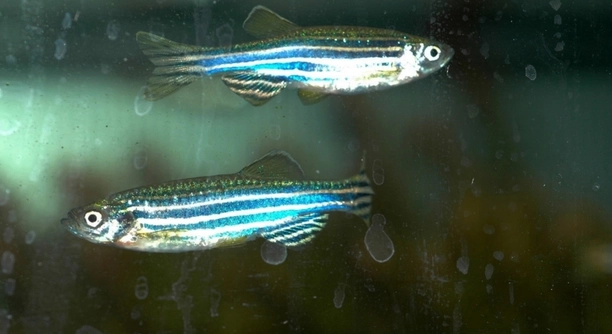
Zebra Danios are lively and social fish, but they may avoid certain tankmates. Understanding why can improve the overall harmony in your aquarium. Here are seven possible reasons for this behavior.
Zebra Danios might avoid new tankmates due to factors such as territoriality, stress, or incompatibility with other fish. They may also be affected by water parameters or simply prefer being in a school of their own kind.
Their behavior often signals deeper issues that are worth considering before introducing new fish to the tank.
1. Zebras Prefer Familiarity
Zebra Danios are known for being social and active, but they thrive in familiar surroundings. When new tankmates are introduced, they might feel uneasy, especially if the tank’s environment changes drastically. This is common for many fish species, as they often prefer consistency and stability. A sudden introduction of new fish can create stress and anxiety, causing the Danios to avoid these new companions. Additionally, they may exhibit aggression towards newcomers as a means of maintaining their territory. Danios are best housed with other non-aggressive species in a stable environment to reduce these tensions. This stress can lead to health issues, which in turn affects the overall dynamics of the aquarium.
Fish such as Zebra Danios require time to adapt to changes. Rushing introductions can trigger avoidance behaviors.
If you’re planning to add new fish, it’s important to introduce them gradually. Let the tank’s environment remain as unchanged as possible. This reduces stress and allows both the Danios and the new fish to adjust better. Introducing the new tankmates in small groups and observing their interactions can also make a difference. Avoid overcrowding, as this can increase aggression among all the fish. Keeping the tank well-maintained and ensuring the water parameters are stable is essential for a smooth transition.
2. Territorial Behavior
Zebra Danios are often territorial, especially when they feel their space is being invaded. This behavior is more noticeable during breeding or when they are placed in tanks that are too small. In a cramped environment, Danios may try to establish dominance over certain areas, leading to them chasing away any new fish. Territoriality is a natural defense mechanism for many species, and Zebra Danios are no exception. Ensuring that the tank is large enough for all fish to claim their space is crucial for reducing conflicts.
A well-maintained tank with enough hiding spots helps prevent territorial disputes.
Providing ample hiding spots, plants, and decorations allows the Danios to create their own space. This not only minimizes territorial disputes but also reduces the likelihood of them becoming aggressive towards newcomers. When Danios are given plenty of space, they tend to be more relaxed and less likely to view other fish as a threat. It’s essential to consider the tank size and the number of fish you plan to keep. Larger tanks with more hiding places encourage peaceful cohabitation and reduce stress for all fish. By ensuring that Zebra Danios are not overcrowded, you can promote a more harmonious aquarium environment.
3. Water Parameters Matter
Zebra Danios are sensitive to changes in water quality, and this can cause them to avoid new tankmates. They thrive in stable water conditions and are known to be adaptable, but abrupt changes can create stress. Variations in temperature, pH, or hardness can trigger these reactions. It’s crucial to ensure that the water parameters remain consistent when introducing new fish to avoid overwhelming the Danios. Even small changes can make them feel unsafe, leading to avoidance behaviors.
To help your Danios adjust, check the water regularly before introducing new fish. Use a water conditioner if necessary.
A stable, clean environment helps reduce stress for Zebra Danios. It’s also recommended to quarantine new fish for a period to ensure they don’t carry diseases that might affect the current tankmates. By carefully monitoring water conditions, you can ensure the Danios have a smoother transition when meeting new companions. Regular water changes are essential for maintaining a healthy environment. Proper filtration, along with periodic checks, keeps the tank’s water parameters within a safe range, promoting the well-being of all fish.
4. Size of Tankmates
Zebra Danios may avoid tankmates that are much larger or more aggressive than them. While they are generally peaceful, they can feel threatened by larger fish. Their small size can make them appear vulnerable, and they may shy away from tankmates they perceive as a potential threat. It’s important to consider the size and temperament of potential tankmates before introducing them to your aquarium.
Choosing fish that are similarly sized and non-aggressive helps maintain peace.
When selecting tankmates, opt for species that share similar characteristics, such as size, temperament, and activity level. Larger fish may not only intimidate Danios but could also harm them. On the other hand, overly passive fish might not engage with the Danios enough to form a balanced social group. The goal is to create an environment where all fish feel secure and comfortable. Always research new tankmates thoroughly to ensure compatibility. Mixing peaceful species with active and playful Zebra Danios can lead to a healthier, happier tank.
5. Speed and Activity Levels
Zebra Danios are fast swimmers, and they often avoid tankmates that are slow or sedentary. Their active nature means they might feel frustrated or stressed if paired with fish that can’t keep up with them. This difference in activity can lead to avoidance or even aggression.
For harmony in the tank, pair Danios with similarly active fish that match their speed.
Choosing tankmates that share the same level of activity ensures the Danios won’t feel overwhelmed. Slow-moving fish may be seen as easy targets for fin-nipping, especially if the Danios feel crowded. A balance in activity level creates a more peaceful environment.
6. Overcrowding
Overcrowding is a common issue in smaller aquariums, and Zebra Danios are no exception. When too many fish are introduced, they can feel stressed and territorial, leading them to avoid new tankmates. Overcrowding reduces the space available for each fish, increasing the chances of aggression and poor health.
Maintaining a proper fish-to-tank ratio helps avoid overcrowding and ensures enough space for everyone.
A cramped environment can create tension among all fish, not just the Danios. It’s essential to monitor the number of fish in the tank. If the tank feels too small, aggression increases, and fish can avoid each other. By following stocking guidelines, you maintain a balanced and healthy tank for all your aquatic life.
FAQ
Why are my Zebra Danios avoiding new tankmates?
Zebra Danios may avoid new tankmates due to stress, territoriality, or a difference in activity levels. They are very sensitive to changes in their environment. When a new fish is introduced, Danios might feel threatened, especially if the new fish is larger, slower, or more aggressive. Additionally, a shift in water conditions can also trigger avoidance behaviors. It’s essential to introduce new fish gradually and ensure the tank’s environment remains stable to minimize stress.
How can I reduce stress for my Zebra Danios when adding new fish?
The best way to reduce stress is by maintaining stable water conditions and avoiding sudden changes. Gradually acclimate new fish to the tank environment by floating them in their bag before releasing them. Ensure that the new fish are compatible with Danios in terms of size, temperament, and activity levels. Also, provide plenty of hiding spots and plants to help reduce territorial behavior. Give your Danios time to adjust to any new changes, and monitor their behavior closely during the initial days.
Can Zebra Danios live with other peaceful fish?
Yes, Zebra Danios can live with peaceful fish. They are generally non-aggressive but can be territorial, especially if the tank is overcrowded or if they feel threatened. They are social creatures and enjoy being in groups, so it’s essential to add compatible species that are also peaceful and active. Avoid placing them with very slow or large fish, as Danios might see them as a threat. Peaceful species such as tetras, rasboras, or other small, active fish are usually good companions.
What tank size is best for Zebra Danios?
Zebra Danios do well in tanks of at least 20 gallons, especially if you plan to keep more than a few fish. The more space they have, the less territorial they will be, leading to a calmer environment. A larger tank also makes it easier to maintain stable water parameters, which helps reduce stress. Additionally, ensure the tank has sufficient filtration to keep the water clean and oxygenated. A bigger tank allows for better group dynamics, making your Danios feel more secure.
How can I tell if my Zebra Danios are stressed?
Stressed Zebra Danios may show signs such as erratic swimming, hiding more often, or staying in one corner of the tank. They might also display faded colors, excessive darting, or aggression toward tankmates. If you notice these signs, check the water parameters and consider whether the tank is overcrowded or if they’re being kept with incompatible fish. Ensuring a calm, stable environment will help alleviate stress and restore normal behavior.
Can Zebra Danios live in a tank with bettas?
Zebra Danios can live with bettas, but caution is needed. Bettas can be aggressive, especially toward smaller, brightly colored fish, which may trigger territorial behavior. Danios are fast swimmers and can usually escape a betta’s aggression, but this can depend on the individual betta’s temperament. It’s important to provide plenty of hiding spaces and monitor interactions closely. A larger tank may also help reduce territorial behavior between the species.
Do Zebra Danios need to be kept in schools?
Zebra Danios are schooling fish, meaning they prefer being in groups of at least 5-6 individuals. Keeping them in smaller groups can lead to stress and poor health, as they feel more vulnerable. A school of Danios helps them feel secure, reduces aggression, and allows them to display natural social behaviors. If you’re keeping just a few Danios, they may exhibit skittish or fearful behavior, avoiding new tankmates and other fish in the tank.
What are some common health problems with Zebra Danios?
Zebra Danios can suffer from common fish diseases such as ich (white spot disease), fin rot, and swim bladder issues. These problems often arise from poor water quality, stress, or overcrowding. Regular water changes, maintaining a clean tank, and ensuring proper water parameters can help prevent these issues. Keeping your Danios in a stress-free environment and feeding them a balanced diet will also boost their immune systems and reduce the likelihood of disease.
How can I improve compatibility between Zebra Danios and new tankmates?
To improve compatibility, ensure that new tankmates are similar in size and temperament to Zebra Danios. Avoid placing them with overly aggressive or large fish. Gradually introduce new fish to the tank and monitor their interactions. Adding plants, decorations, and creating hiding spaces will also help fish find personal territory and reduce aggression. The goal is to maintain a peaceful, stress-free environment for all fish in the tank.
Can Zebra Danios live with shrimp?
Zebra Danios can live with shrimp, but it depends on the size of the shrimp and the temperament of the Danios. Smaller shrimp may be at risk of being nipped by Danios, especially if they are too small to escape. Larger shrimp, such as Amano or Cherry shrimp, can generally coexist with Danios. Provide plenty of hiding spaces for the shrimp, and make sure there are no overly aggressive tankmates that could harm them. If you’re keeping shrimp with Danios, ensure the tank is well-maintained and not overcrowded.
How do I know if my Zebra Danios are breeding?
Zebra Danios are egg scatterers, and breeding can be observed through their behavior. Males chase females around the tank in a courtship display. When a female is ready to spawn, she will release eggs, which the male fertilizes. After breeding, the adult fish may eat the eggs, so it’s important to separate them or provide a breeding tank if you wish to raise the fry. The eggs typically hatch in a few days, and the fry will need specific care to grow successfully.
Final Thoughts
Zebra Danios are active, social fish that thrive in environments where they feel safe and comfortable. They can be sensitive to changes in their surroundings, including the introduction of new tankmates. By understanding their behavior and needs, you can create a tank environment that helps them adjust to new fish without stress. This involves maintaining stable water conditions, ensuring compatibility between species, and giving the Danios enough space to swim freely. A tank that suits their fast-moving nature and social habits can keep them happy and healthy.
Introducing new tankmates should be done with careful consideration. Zebra Danios are best kept with other active, peaceful fish that can match their speed and energy. Slow-moving or overly aggressive fish can lead to stress, causing the Danios to avoid or even harm them. Overcrowding the tank can also create issues, as it limits the available space and increases competition for resources. By planning the stocking of your tank carefully, you can avoid many common issues related to fish compatibility.
In the end, the goal is to ensure that both the Zebra Danios and their tankmates live in a harmonious environment. With proper care, attention to their specific needs, and mindful tankmate selection, you can enjoy a thriving aquarium. Regular monitoring of their behavior, as well as making adjustments as needed, will keep your Danios from avoiding new tankmates and ensure a peaceful, balanced tank for everyone.

Hello,
If you enjoy the content that we create, please consider saying a "Thank You!" by leaving a tip.
Every little bit helps us continue crafting quality advice that supports the health, happiness, and well-being of pets around the world, for pets of all shapes, sizes, and species.
We really appreciate the kindness and support that you show us!