
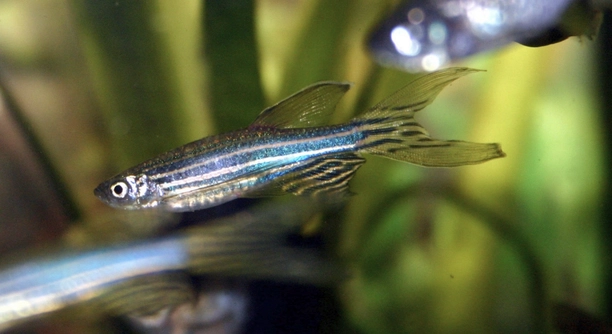
Are your zebra danios showing signs of clamped fins? This behavior can be a sign of various health issues or stress factors that might be affecting your fish. It’s important to understand the underlying causes of clamped fins to ensure their well-being.
Clamped fins in zebra danios are typically caused by factors such as poor water quality, stress, or illness. It’s essential to address these issues quickly to prevent further health complications and improve the overall environment for your fish.
Knowing the reasons behind clamped fins can help you take the necessary steps to restore your zebra danios’ health. Understanding these causes will ensure your fish are happy and thriving in their tank environment.
Poor Water Quality
One of the most common reasons for zebra danios having clamped fins is poor water quality. Fish are sensitive to changes in their environment, and bad water conditions can cause them a great deal of stress. This includes improper levels of ammonia, nitrites, or nitrates, and incorrect pH or temperature. Fish that live in water with these imbalances are likely to show signs of stress, such as clamped fins, loss of appetite, or erratic behavior.
To avoid poor water quality, it’s crucial to maintain a regular water-changing schedule. Regularly test the water for harmful chemicals and make sure the temperature stays within the range that zebra danios prefer, which is typically between 64-75°F. A good filtration system will also help keep the water clean and free from toxins.
By checking the water frequently and making sure it’s safe for your fish, you’re already taking the first step in preventing health problems. A stable, clean environment is essential for zebra danios to thrive and avoid showing signs like clamped fins.
Stress from Tank Mates
Zebra danios can sometimes become stressed due to aggressive or overly active tank mates. Fish that are too territorial or constantly chase or nip at the danios can create an environment where they feel unsafe. This can lead to physical signs of stress, including clamped fins.
Make sure your zebra danios are housed with peaceful species that won’t bully or stress them out. Avoid aggressive fish like some cichlids, and consider the size and temperament of all the fish in the tank. When danios feel comfortable and safe, they are less likely to show signs of stress, such as clamped fins.
Illness or Disease
Zebra danios can develop clamped fins when they’re suffering from illness or disease. Common conditions like fin rot, parasites, or internal infections can cause stress and discomfort. Any sign of illness should be taken seriously, as untreated problems can quickly worsen.
To identify an illness, look for additional symptoms, such as discolored fins, swelling, lesions, or changes in eating habits. Diseases often require specific treatments, such as antibiotics or antiparasitic medications. It’s important to isolate the sick fish in a quarantine tank if possible to prevent the spread of any infections to other fish.
Providing a consistent and clean environment is key in preventing illness. Ensure your zebra danios are eating a healthy diet and avoid overcrowding the tank. A balanced environment reduces the risk of diseases and keeps your fish happy and healthy. Regular check-ups on your fish can help catch any issues early before they become serious problems.
Poor Diet
A lack of proper nutrition can lead to clamped fins in zebra danios. If they are not getting enough of the nutrients they need, it can affect their immune system, causing stress and susceptibility to illness. A poor diet can also weaken their fins, making them more likely to show signs of distress.
Ensure your danios are fed a balanced diet with high-quality fish flakes, live or frozen food, and occasional plant matter. Avoid overfeeding, as it can lead to water quality issues and obesity. The right food will provide the vitamins and minerals necessary for healthy growth and strong fins.
A well-fed fish is also more likely to have bright colors and be more active, helping to maintain a lively and attractive aquarium. A diet that’s not only balanced but varied is essential for their long-term health and well-being. Regular feeding routines are important, but also make sure to avoid excess to keep your tank clean.
Water Temperature Fluctuations
Fluctuations in water temperature can cause zebra danios to clamp their fins. They are sensitive to sudden changes, especially in colder temperatures. If the water is too hot or too cold, it can create stress, leading to clamped fins and reduced activity.
Ensure the tank maintains a stable temperature within the ideal range for zebra danios, which is around 64-75°F. Use a reliable aquarium heater to keep the water temperature consistent, and avoid placing the tank in areas with temperature extremes like near windows or air vents. Temperature stability helps prevent stress and health issues.
Overcrowding
Overcrowding can be another reason for clamped fins. When there are too many fish in a small space, it increases stress and competition for resources like food and oxygen. This can cause your zebra danios to feel threatened or stressed, leading to clamped fins.
To avoid overcrowding, make sure your tank has enough space for each fish to swim freely. A good rule of thumb is one inch of fish per gallon of water, but this can vary depending on the species. Less crowded conditions provide a calmer environment for your fish, reducing stress.
Poor Tank Maintenance
Poor tank maintenance can also contribute to clamped fins in zebra danios. If the tank is not cleaned regularly, harmful toxins from waste can build up, affecting water quality and causing stress for the fish. This can result in clamped fins and other signs of discomfort.
Perform regular water changes and clean the tank to ensure a healthy environment. Vacuum the substrate to remove debris and check the filter to make sure it’s working properly. Maintaining a clean and stable environment will help your zebra danios thrive and prevent stress-related symptoms like clamped fins.
FAQ
What should I do if my zebra danio’s fins are clamped?
If your zebra danio’s fins are clamped, the first step is to check the water quality. Ensure the ammonia, nitrite, and nitrate levels are safe. Next, confirm that the water temperature is stable and within the range suitable for zebra danios (64-75°F). If the water quality and temperature are in check, observe the fish for any other symptoms, such as discoloration or lesions, which may indicate illness. If you suspect a disease, consider isolating the fish in a quarantine tank and consulting with a vet or treating the tank with appropriate medication. Regular water changes and maintaining a peaceful environment are also essential for your fish’s well-being.
Can zebra danios recover from clamped fins?
Yes, zebra danios can recover from clamped fins if the underlying cause is addressed quickly. Whether it’s due to stress, poor water quality, or illness, correcting the issue will often lead to improvement in their condition. It’s important to monitor your fish closely after making changes, ensuring that the water is clean, temperature is stable, and that any illness is treated. Additionally, providing a balanced diet and minimizing stress from aggressive tank mates can aid in their recovery.
How long does it take for zebra danios to recover from clamped fins?
The recovery time for zebra danios can vary depending on the cause of the clamped fins. If the issue is related to poor water quality, a quick improvement in the water conditions may show results within a few days. If the cause is stress from aggressive tank mates or illness, it may take a week or more for the fish to fully recover. Continue monitoring the fish’s behavior and condition during this time. If the fins remain clamped for an extended period, seek further guidance to ensure there are no underlying health concerns.
What causes zebra danios to clamp their fins?
Several factors can cause zebra danios to clamp their fins, including poor water quality, temperature fluctuations, illness, stress, or an improper diet. Water that is high in ammonia, nitrites, or nitrates can be toxic to fish and lead to clamped fins. Similarly, fluctuations in water temperature or exposure to aggressive tank mates can stress them out. Illness or disease can also be a common reason for clamped fins, as the fish’s body tries to conserve energy and protect itself.
How do I prevent clamped fins in zebra danios?
Preventing clamped fins in zebra danios is all about maintaining a stable and healthy environment. Regular water testing and water changes are critical to ensuring the water quality remains safe. Keep the tank clean and ensure proper filtration. Avoid sudden temperature changes by using a reliable aquarium heater and maintaining a consistent water temperature. Avoid overcrowding and ensure peaceful tank mates to reduce stress. Finally, feed your zebra danios a balanced diet to strengthen their immune system and overall health.
Do zebra danios need a heater?
Yes, zebra danios do need a heater in many cases. They prefer stable temperatures between 64-75°F, and without a heater, temperatures may fluctuate too much, causing stress. In colder rooms, a heater will help maintain the correct temperature, especially during the night when the room may cool down. In warmer climates, a heater might not be necessary, but it’s always best to have one in place to ensure consistent conditions for your fish.
Why are my zebra danios swimming erratically?
Erratic swimming can be a sign of stress, illness, or water quality issues. Zebra danios that swim erratically might be reacting to poor water conditions or high levels of toxins like ammonia or nitrates. Alternatively, if they’re stressed from aggressive tank mates or environmental changes, they may swim erratically to escape or seek shelter. Illnesses or parasites can also cause erratic behavior, so it’s important to observe the fish for any other signs of disease, such as faded colors, lesions, or bloating.
Can I keep zebra danios with other fish?
Yes, zebra danios are generally peaceful and social fish that can be kept with a variety of other species. They do well in community tanks with other non-aggressive fish. However, avoid keeping them with overly territorial or aggressive species, such as cichlids, as this can stress them out. Tank mates like tetras, guppies, or other small, peaceful species make good companions for zebra danios. Just ensure that the other fish won’t compete for food or space, which can cause stress.
What do zebra danios eat?
Zebra danios are omnivores and can eat a variety of foods, including high-quality flakes, pellets, and live or frozen foods like brine shrimp, daphnia, and bloodworms. It’s important to offer a balanced diet that includes both protein and plant-based food to ensure they get the necessary nutrients. Occasional vegetable matter, such as blanched spinach or algae wafers, can also be beneficial. Avoid overfeeding, as it can lead to water quality problems and obesity.
Are zebra danios hardy fish?
Yes, zebra danios are considered hardy fish and are often recommended for beginner aquarium owners. They are adaptable to a range of water conditions and can tolerate slight fluctuations in temperature. However, while they are resilient, they still require proper care and attention to thrive. Maintaining stable water conditions and providing them with a proper diet and peaceful tank mates will ensure they remain healthy and active.
How can I tell if my zebra danio is sick?
If your zebra danio is sick, you may notice changes in behavior, appearance, or swimming patterns. Sick zebra danios might have clamped fins, faded or discolored scales, lesions, or swollen bodies. They may also lose their appetite or swim erratically. It’s important to monitor your fish for any signs of illness and isolate any affected fish to prevent the spread of disease. Regular water changes, a proper diet, and avoiding overcrowding will help maintain a healthy tank environment for your fish.
Final Thoughts
Zebra danios are generally hardy fish that can thrive in a well-maintained tank. However, when they exhibit behaviors like clamped fins, it’s important to pay attention and address the root cause. This behavior is often a sign that something is wrong, whether it’s due to poor water quality, stress, illness, or an inappropriate diet. As a responsible fish owner, being proactive in managing the environment and health of your zebra danios is key to their well-being.
By regularly checking water quality, maintaining the proper temperature, and providing a balanced diet, you can prevent many common issues that might lead to clamped fins. Keep an eye on your fish for any changes in behavior or appearance, as these can provide early clues to any potential problems. If your zebra danios are experiencing stress, ensure they are housed with compatible tank mates and avoid overcrowding. Offering a peaceful, stable environment can reduce stress and help your fish feel comfortable and secure.
In cases where clamped fins persist, it’s important to take action quickly. Isolating any sick fish, treating for potential illnesses, and continuing to monitor water quality will help you address the issue. With careful attention, your zebra danios will likely recover and return to their active, playful selves. Remember, regular maintenance and observation are the best ways to ensure a long, healthy life for your zebra danios.

Hello,
If you enjoy the content that we create, please consider saying a "Thank You!" by leaving a tip.
Every little bit helps us continue crafting quality advice that supports the health, happiness, and well-being of pets around the world, for pets of all shapes, sizes, and species.
We really appreciate the kindness and support that you show us!