
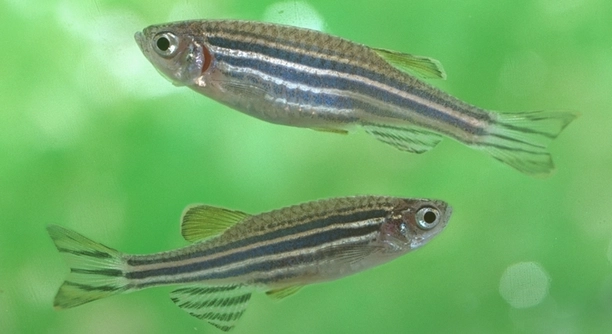
Is your zebra danio not growing as quickly as you expected, despite being in what seems like the perfect aquarium environment? It can be frustrating when your fish doesn’t thrive the way you hoped it would.
Zebra danios may grow slowly due to poor nutrition, overcrowding, low water temperature, stress, illness, or genetic factors. Each of these conditions can limit healthy development, delaying the fish’s ability to reach its full size and maturity.
Learning the main reasons behind your zebra danio’s slow growth can help you make simple adjustments to support better health and development.
Poor Nutrition Can Slow Growth
Zebra danios need a balanced and varied diet to grow properly. Feeding them only one type of food or low-quality flakes may result in nutrient deficiencies. Protein is especially important during early stages of development. Without it, your fish may stay smaller for longer than expected. Live or frozen foods like brine shrimp or daphnia can give them the extra nutrients they need. Overfeeding can also create issues, as it leads to poor water conditions and digestive stress. If your danio is not growing, consider switching up their diet and feeding schedule. Two small meals per day with different food types can improve results. Make sure all uneaten food is removed to keep the tank clean. Check expiration dates on containers and store fish food properly. Quality ingredients support healthy growth, color, and energy levels. It’s a small change that can make a big difference.
A limited diet does not support normal development. Zebra danios grow best when offered a range of quality foods with enough protein.
Offering variety in their diet ensures they receive the essential amino acids and vitamins they need. Consistency in feeding also matters—irregular feeding can affect their appetite and slow their overall development even further.
Overcrowding Causes Stress
Too many fish in one tank will impact your zebra danio’s health. Overcrowding reduces oxygen levels, increases waste, and raises competition for food.
When a tank is overcrowded, zebra danios may experience chronic stress. This weakens their immune system and redirects energy away from growth. The lack of personal space can make them feel threatened, which impacts how often they eat and how well they digest food. Stress also affects sleep patterns, which are important for recovery and development. These conditions make it difficult for them to reach their normal size, especially in younger fish. If you see signs like hiding, aggression, or lack of appetite, it’s a clear sign of stress. A good rule is to allow at least 10 gallons for a small group. Make sure there is enough swimming room and avoid mixing with aggressive species. Adding live plants or decor can create hiding spots, reducing tension. Clean water and space matter just as much as food.
Low Water Temperature Slows Metabolism
Zebra danios are tropical fish and need warm water to stay active and grow. If the tank is too cold, their metabolism slows down, which can directly impact how quickly they develop and process nutrients.
When water temperatures drop below 72°F (22°C), zebra danios often become sluggish and eat less. This means they’re not getting the energy they need to grow properly. A stable temperature between 74°F and 78°F is best for healthy development. Using a reliable aquarium heater with a built-in thermometer helps maintain this range. Sudden changes in temperature can also stress them out, so it’s important to check the tank daily and avoid placing it near windows or vents. Cold water weakens their immune response and increases the risk of disease. Maintaining consistent warmth supports digestion, boosts energy levels, and helps your fish stay active and growing at a steady pace.
Temperature affects nearly every part of your zebra danio’s health. It influences how much they eat, how fast they convert food into energy, and how well they fight off illness. If growth seems slow, checking the water temperature is a simple but essential first step. Keeping it in the right range can make a noticeable difference over time.
Stress From Tank Mates
Zebra danios are generally peaceful, but aggressive or overly active tank mates can create stress that slows down their growth. Constant chasing or competition for food can limit how much they eat and rest.
Stress makes it hard for zebra danios to thrive. When they are always on edge, their body focuses on survival instead of growth. Fish like tiger barbs or large cichlids can be too aggressive and may cause fear-based hiding and reduced feeding. Instead, choose calm species that don’t compete for the same space. Keep danios in small groups of their own kind, as they are schooling fish and feel safer together. Provide plants and decorations for shelter to help them feel secure. If you notice one fish getting picked on, it may help to rearrange the tank or separate aggressive individuals. A peaceful environment plays a major role in helping your fish grow at a natural pace.
Undiagnosed Illness or Parasites
Hidden health issues can slow growth in zebra danios. Internal parasites, bacterial infections, or other illnesses may interfere with their ability to absorb nutrients, even if they appear active and are eating normally.
Look for signs like bloating, weight loss, stringy waste, or a dull appearance. These may indicate a health issue.
Genetics Play a Role
Some zebra danios are naturally smaller due to genetics. If they were bred from smaller parents, their growth rate and final size may be limited, no matter how well they are cared for. This is more common in mass-bred stock, where quality control may not be strict. It’s not something you can change, but knowing this helps manage expectations. If only one or two fish in a group seem to be growing slowly while others thrive, it could be due to inherited traits. Keeping the environment healthy still supports their overall well-being and quality of life, even if they stay small.
Infrequent Water Changes
Skipping regular water changes allows waste and toxins to build up, affecting your fish’s health and slowing their growth. Clean water is essential for digestion, nutrient absorption, and maintaining the immune system.
FAQ
Can zebra danios stay small forever?
Yes, some zebra danios may stay small due to genetics, stunted growth from early life conditions, or chronic stress. If a fish experienced poor nutrition or poor water quality when it was younger, it may not reach its full size later. Even if conditions improve, the growth potential might already be limited. Genetics also play a role—some fish are simply smaller than average regardless of care. If the small danio is healthy, active, and eating well, there’s usually no cause for concern. It may just be naturally petite compared to its tank mates.
How big should a healthy adult zebra danio be?
A fully grown zebra danio typically measures around 1.5 to 2 inches long. Some individuals may reach up to 2.5 inches, but that’s less common. Size can vary depending on diet, environment, and genetics. If your danio is much smaller than this and is already several months old, it may be growing slowly or could be naturally small. Keeping the tank clean, feeding a varied diet, and maintaining good temperature and oxygen levels will support proper development. Healthy adult danios also appear sleek and streamlined, with good color and no signs of injury or illness.
What’s the best food for fast growth in zebra danios?
Offer a mix of high-quality flakes, pellets, frozen, and live foods. Protein is important, especially for young danios. Brine shrimp, bloodworms, daphnia, and micro worms are great options. You can rotate food types to cover all nutrient needs. Feed twice a day in small portions that can be eaten in two minutes. Avoid overfeeding as leftover food affects water quality. Also check expiration dates on commercial foods, as old food can lose nutritional value. A varied diet supports strong growth, immune health, and color vibrancy.
How often should I change the water in a zebra danio tank?
Partial water changes should be done once a week, removing about 25–30% of the tank water. This helps reduce harmful waste buildup like ammonia, nitrite, and nitrate. Clean water keeps their immune systems strong and supports healthy digestion. Use a gravel vacuum during water changes to remove uneaten food and waste from the substrate. Always use water conditioner when adding fresh tap water. Poor water quality slows growth and can cause long-term health problems, so regular maintenance is essential for any growing fish.
Can cold water really stop my zebra danio from growing?
Yes, low water temperatures can slow their metabolism, leading to slower growth. Zebra danios are most comfortable between 74°F and 78°F. Below this range, they become less active and eat less. In colder conditions, their bodies don’t process food as efficiently, which limits how much energy is used for growth. Prolonged exposure to cool water can also make them more prone to illness. Always monitor the temperature with a reliable heater and thermometer to avoid fluctuations. Stable warm water keeps them active, feeding, and growing as they should.
Is it okay to keep zebra danios with other species?
Yes, zebra danios can live with peaceful, similarly sized fish. However, aggressive or much larger species may stress them out, which can affect growth. Ideal tank mates include tetras, rasboras, guppies, corydoras, and snails. Avoid fin-nippers or fast chasers that may compete for food or space. Zebra danios do best in schools of six or more of their own kind, which helps reduce stress. A peaceful community setup allows them to feed comfortably and grow without fear or constant competition.
Why is only one of my zebra danios growing slowly?
If just one fish seems behind, it could be due to genetics, early developmental conditions, or a more submissive personality. Sometimes smaller fish get outcompeted for food or pushed away by more dominant tank mates. Make sure there’s enough space, hiding spots, and food to go around. Observing behavior during feeding time can help you spot whether that fish is getting enough. If it’s otherwise healthy and active, there may be no serious issue—it might just grow at a slower pace than the rest.
Does tank size matter for zebra danio growth?
Yes, it does. Zebra danios need room to swim actively. A cramped tank can restrict movement, lead to poor water quality, and increase stress. A 10-gallon tank is the bare minimum for a small group, but more space is better. Larger tanks offer better stability in water parameters and allow for more natural behaviors. When danios are given enough space, they are more active, eat better, and grow more evenly. Overcrowding limits resources and increases aggression, both of which can slow development. Always consider the number of fish and their space needs when setting up a tank.
Final Thoughts
Zebra danios are popular for their active behavior and hardy nature, but slow growth can be a concern for many fish keepers. Understanding the reasons behind this issue helps create a better environment for your fish. Poor water conditions, limited space, cold temperatures, and low-quality diets are some of the most common reasons your zebra danio may not be growing at a normal pace. These issues can cause stress and reduce the fish’s ability to use nutrients for growth. Early developmental problems or genetic factors may also lead to stunted size that cannot be corrected later in life.
Providing consistent care is important if you want to support your zebra danio’s growth. A clean tank, balanced diet, and suitable temperature range will encourage proper development. Avoid overcrowding and make sure every fish gets enough space and food. Danios are active swimmers, so giving them room to move freely helps keep them healthy and supports growth. Feeding a variety of high-protein foods, offering live or frozen options, and sticking to a regular feeding schedule can make a noticeable difference. Routine water changes and temperature monitoring also keep conditions stable. These steps, when combined, create a safe and supportive space for your fish to grow.
It’s also important to remember that not all zebra danios will grow at the same pace or to the same size. Some may naturally stay smaller than others. If a fish is healthy, eating well, swimming normally, and shows no signs of illness, there may be no reason to worry. Growth is just one part of their overall health. Focus on creating a consistent routine and observing your fish regularly. Changes in behavior or appearance should be addressed early. By paying attention to your zebra danio’s needs and responding to any issues promptly, you can help your fish thrive, whether it’s growing quickly or taking more time to reach its full size.

Hello,
If you enjoy the content that we create, please consider saying a "Thank You!" by leaving a tip.
Every little bit helps us continue crafting quality advice that supports the health, happiness, and well-being of pets around the world, for pets of all shapes, sizes, and species.
We really appreciate the kindness and support that you show us!