
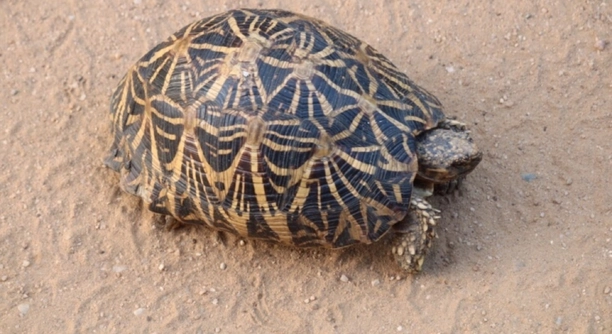
Turtles are fascinating pets, but keeping their water clean can sometimes be a challenge. Murky water is a common issue many turtle owners face, often leading to concerns about the health and well-being of their turtles.
The primary reasons for murky water are poor filtration, overfeeding, infrequent water changes, and the accumulation of waste. Excess food, turtle waste, and algae contribute to water cloudiness, making it harder for the turtle to thrive in a healthy environment.
Addressing these factors will improve your turtle’s water quality, ensuring a cleaner and healthier environment for your pet. Let’s explore the key reasons and practical solutions for keeping your turtle’s habitat crystal clear.
Overfeeding Your Turtle
Overfeeding is a major factor when it comes to murky water. Turtles, especially young ones, may act like they’re always hungry, but it’s easy to give them too much food. Leftover food decays quickly and pollutes the water, leading to cloudiness. The uneaten bits mix with the water, creating a breeding ground for bacteria and algae, which further deteriorates the water quality.
Reducing the amount of food you give your turtle each day is an easy way to keep their water cleaner. Stick to feeding them only what they can finish in 10 to 15 minutes.
It’s also important to vary their diet to prevent overfeeding on certain foods that can lead to waste buildup. In addition to feeding less, removing any leftover food promptly helps prevent it from decomposing in the tank. By monitoring their feeding habits and adjusting as needed, you’ll see a significant improvement in the clarity of their water. Regular maintenance of their environment will also contribute to a healthier, cleaner tank.
Insufficient Filtration
A good filtration system is essential for keeping turtle water clear. Poor filtration is one of the most common reasons for murky water. Without proper filtration, waste and debris can quickly accumulate, causing the water to become cloudy. Turtle tanks need strong, reliable filters that can handle the amount of waste turtles produce.
Turtle tanks should be equipped with filters designed for the tank’s size and the amount of waste your turtle generates. A powerful filter will ensure water remains clean for longer periods, reducing the need for constant water changes.
When choosing a filter, consider one that provides both mechanical and biological filtration. Mechanical filters remove physical debris, while biological filters help break down waste and harmful bacteria. Keep in mind that filters need to be cleaned regularly to maintain efficiency. By investing in the right filter and cleaning it often, you’ll keep your turtle’s water clean and safe.
Infrequent Water Changes
Not changing the water regularly can quickly lead to murky conditions in a turtle’s tank. Even with a filter, waste and debris will accumulate over time, making the water appear cloudy. Turtles also produce a lot of waste, and without proper maintenance, their habitat will deteriorate.
It’s recommended to change 25-50% of the water every week. If the water appears murky sooner, you may need to change it more frequently. Regular water changes will help reduce the buildup of excess nutrients and waste, which would otherwise contribute to cloudy water.
By keeping up with water changes, you’ll ensure that your turtle’s environment stays fresh and healthy. Remember to use a water conditioner to neutralize harmful chlorine or chloramine when replacing the water. This helps maintain a safer, more natural habitat for your turtle to thrive in.
Too Much Algae Growth
Algae is another common reason for murky water in turtle tanks. While some algae growth is natural, excessive algae can quickly cloud the water. Algae thrives in tanks with high light exposure and excess nutrients, often caused by overfeeding or infrequent water changes.
To control algae, limit the amount of time your tank is exposed to direct light. Algae need sunlight to grow, so keeping the tank in a shaded area or limiting light exposure to a few hours each day can help keep it in check.
You can also consider adding algae-eating creatures, like snails, to help control the growth. However, be sure to clean the tank regularly and replace the water when needed to prevent algae from taking over.
Turtle Waste Buildup
Turtle waste can cause water to become murky quickly. Turtles produce a lot of waste, and if it isn’t cleaned regularly, it contributes to poor water quality. The more waste in the tank, the cloudier the water will become.
Removing waste as soon as you see it can help keep the water clear. A net or siphon can be used to remove solid waste, and regular water changes are essential to reduce bacteria and other harmful particles.
A good filter will help with waste removal, but it’s still important to clean the tank regularly. By staying on top of waste cleanup, your turtle’s water will remain clearer longer.
Overcrowding the Tank
An overcrowded tank can make it harder to maintain clean water. Too many turtles or other tank mates can overwhelm the filtration system and create a lot of waste, which contributes to cloudy water.
Make sure the tank is appropriately sized for your turtle and any other creatures you may have. Each turtle needs ample space to move and a system that can keep up with the waste they produce.
A tank that is overcrowded is more likely to get dirty faster, so avoid adding too many animals to the tank. Proper tank size and fewer inhabitants will lead to better water quality overall.
Water Temperature Fluctuations
Turtles thrive in stable water temperatures. If the water gets too warm or too cold, it can stress your turtle and make the water quality worse. Sudden temperature changes can also affect the water’s clarity.
Maintaining a steady water temperature between 75°F and 80°F is ideal for most turtles. Use a reliable heater to regulate the temperature and avoid drastic fluctuations. Stable temperatures will help your turtle stay healthy and prevent conditions that can lead to murky water.
FAQ
Why is my turtle’s water always murky?
Murky water is usually caused by a combination of poor filtration, overfeeding, infrequent water changes, excess algae growth, or a buildup of waste. Turtles are messy animals, and without proper maintenance, their habitat can become cloudy quickly. Regular water changes, proper feeding habits, and strong filtration are key to preventing murky water.
How often should I change my turtle’s water?
It’s recommended to change 25-50% of the water every week. If the water becomes murky sooner, you may need to increase the frequency. More frequent water changes can help keep the tank clean and reduce waste buildup. Don’t forget to use water conditioners to neutralize chlorine or chloramine.
Can I just clean my turtle’s tank filter instead of changing the water?
Cleaning the filter is important but not a substitute for water changes. While the filter removes debris and waste, water changes are necessary to maintain the overall quality of the water by removing excess nutrients and toxins that the filter may not capture.
What type of filter should I use for my turtle’s tank?
A powerful filter designed for larger tanks is essential for turtles, as they produce a lot of waste. Look for a filter that provides both mechanical and biological filtration. It should be able to process at least twice the volume of water in your tank per hour to keep the water clean.
How can I control algae growth in my turtle’s tank?
Limit the amount of light your turtle’s tank gets, as algae thrive on sunlight. Keep the tank in a shaded area and reduce direct sunlight exposure. You can also add algae-eating creatures, like snails or certain types of fish, to help manage algae levels. Regular tank maintenance is also crucial.
Is it okay to feed my turtle as much as it wants?
No, overfeeding is a common cause of murky water. Turtles often act hungry, but it’s important to only feed them what they can consume in 10-15 minutes. Leftover food quickly decays, clouding the water and promoting bacterial growth. Feeding smaller portions helps maintain water quality.
Should I add other animals to my turtle’s tank?
Be cautious when adding other animals to your turtle’s tank. Overcrowding can overwhelm the filtration system and lead to faster water pollution. If you add fish, snails, or other tank mates, make sure the tank is large enough and that the filter is capable of handling the extra waste.
Can the temperature affect the clarity of my turtle’s water?
Yes, sudden temperature fluctuations can affect water quality. If the water is too warm or too cold, it can stress your turtle, leading to a weaker immune system and more waste. Keeping the water at a stable temperature between 75°F and 80°F will help maintain both turtle health and water clarity.
Do I need to remove turtle waste immediately?
Yes, removing turtle waste immediately is essential for keeping the water clean. Use a net or siphon to remove solid waste from the tank daily. This prevents the waste from decomposing and clouding the water, as well as reducing harmful bacteria buildup.
Can I use regular tap water for my turtle’s tank?
Tap water can be used, but it should be treated with a water conditioner to remove harmful chemicals like chlorine and chloramine. These chemicals are toxic to turtles and can negatively affect the water quality. Always check the water’s pH and hardness levels to ensure they’re suitable for your turtle.
Final Thoughts
Keeping your turtle’s water clear requires consistent care and attention. Regular water changes, proper filtration, and waste removal are all essential steps in maintaining a healthy tank. Turtles produce a lot of waste, and their habitat can quickly become murky if these steps aren’t followed. By staying on top of cleaning and tank maintenance, you can ensure your turtle’s environment remains clean and safe. Consistent care will also help avoid potential health issues for your turtle, which can arise from poor water quality.
Pay attention to factors like lighting, overfeeding, and overcrowding, as these can all impact the water’s clarity. Algae growth is a common cause of murky water, so controlling light exposure and adding algae-eating creatures can help reduce the problem. It’s also important to avoid overfeeding your turtle, as uneaten food will decompose and contribute to cloudy water. Make sure you provide a proper tank size for your turtle and any other animals in the tank to prevent overcrowding and ensure good water quality.
Ultimately, maintaining clear water in your turtle’s tank requires a balanced approach. Regular maintenance and a proper filtration system go a long way in keeping things clean. Small changes, such as adjusting feeding habits or reducing light exposure, can make a big difference. By paying attention to your turtle’s habitat and making these simple adjustments, you’ll provide a healthier and happier environment for your turtle.

Hello,
If you enjoy the content that we create, please consider saying a "Thank You!" by leaving a tip.
Every little bit helps us continue crafting quality advice that supports the health, happiness, and well-being of pets around the world, for pets of all shapes, sizes, and species.
We really appreciate the kindness and support that you show us!