
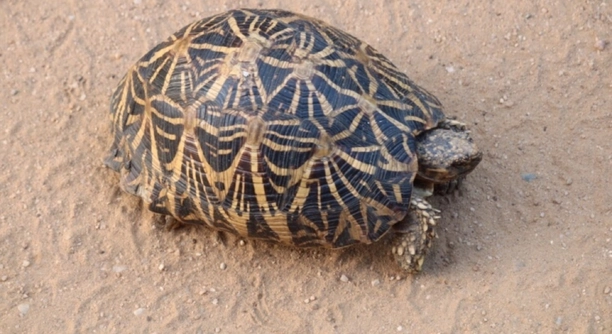
Turtle tanks require regular cleaning to maintain a healthy environment. Failing to clean your tank properly can lead to several issues that may harm your turtle’s health. Understanding why cleaning is essential helps ensure their well-being.
The main reason your turtle’s tank needs frequent cleaning is to prevent the buildup of harmful bacteria, algae, and waste. These can cause water quality issues, leading to skin infections or other health problems. Regular cleaning ensures a safer environment for your turtle.
Cleaning your turtle’s tank regularly helps avoid these risks and promotes better health. Keeping a clean habitat will also make your turtle happier and more comfortable.
The Importance of Clean Water for Your Turtle
Clean water is essential for your turtle’s health. Without regular cleaning, harmful bacteria and toxins can build up, causing health problems. Dirty water can affect your turtle’s skin, eyes, and even internal organs. Additionally, poor water quality can lead to stress, which weakens their immune system. To maintain clean water, you should do partial water changes weekly and scrub the tank and decorations to remove debris. Water filters can also help to keep the water clear between cleanings. Keeping the water at the right temperature is another important factor in maintaining a healthy environment.
Clean water promotes overall health. It is crucial for proper digestion, skin health, and preventing infections. You can prevent harmful conditions by staying on top of regular cleaning. If your turtle spends a lot of time in dirty water, it may develop skin rashes or other visible symptoms.
Turtles can be sensitive to their environment, so it is important to monitor their tank conditions. A clean tank ensures that your turtle thrives. Regular maintenance helps avoid long-term health issues, saving you time and effort in the future.
The Role of Substrate in Maintaining Tank Cleanliness
The substrate, or material at the bottom of the tank, can play a big role in maintaining cleanliness. Gravel or sand may trap waste and debris, leading to the need for more frequent cleaning.
Consider using a substrate that doesn’t trap dirt. Smooth rocks or tiles can be easier to clean than sand or gravel. Regularly vacuuming the substrate will help remove waste that might otherwise settle into the bottom, causing further issues. Keeping the substrate clean is an easy way to reduce bacteria growth and improve water quality.
The Importance of Regular Tank Maintenance
Regular maintenance goes beyond just cleaning. Checking the filtration system and ensuring it’s working well is a key part of maintaining a clean environment. Without it, even frequent water changes won’t be enough to keep harmful toxins under control.
Cleaning filters and replacing them as needed should be part of your routine. The filter helps remove waste and debris from the water, preventing the buildup of harmful substances. Over time, filters can become clogged, reducing their effectiveness. Ensuring that your filtration system is always in top condition will help you keep the tank clean with less effort.
Changing the water regularly also prevents buildup. As waste accumulates, it can lead to an imbalance in the tank’s ecosystem. Routine water changes help you keep harmful chemicals at bay, supporting the health of your turtle. A clean and balanced environment is essential for the well-being of your pet.
Managing Algae Growth
Algae growth is inevitable, but managing it is key to maintaining your tank. Algae thrive in dirty water, but they can also grow on clean surfaces if left unchecked.
To manage algae, limit the amount of light your turtle tank gets. Algae need light to grow, so reducing exposure can slow their spread. You should also clean the surfaces of the tank regularly to remove any algae that form. While some algae can be harmless, an overgrowth can disrupt the tank’s environment and look unsightly.
Consider adding algae-eating creatures like snails or certain fish to help keep algae under control. They can provide natural assistance in keeping your tank’s surfaces clean. However, this should be supplemented with routine cleaning to ensure algae do not become a larger issue.
The Impact of Overfeeding
Overfeeding your turtle can lead to excess waste in the tank. This waste breaks down in the water, contributing to poor water quality. It’s important to feed your turtle only what it can eat in a short time to avoid unnecessary waste buildup.
Leftover food that isn’t eaten will rot and pollute the water. This can cause bacterial growth, harming your turtle’s health. Feeding a controlled amount will help you avoid this. Monitor your turtle’s eating habits, and if there’s excess food, remove it immediately to maintain a cleaner environment.
Proper Tank Size and Its Effect on Cleanliness
A larger tank means more space for your turtle and easier maintenance. A small tank can lead to quicker waste buildup, causing you to clean it more often. Ensure that the tank is an appropriate size for your turtle to prevent overcrowding and to maintain better water quality.
A larger tank also allows for better filtration. It helps distribute waste more evenly, preventing the water from becoming polluted quickly. By choosing the right size tank, you create a better habitat for your turtle, reducing the effort needed to maintain a clean environment.
The Role of Plants in Tank Cleanliness
Live plants in your turtle’s tank help improve water quality. They absorb excess nutrients from the water, preventing algae growth and stabilizing the tank’s ecosystem. Additionally, plants can serve as hiding spots, making your turtle feel more secure in its environment.
FAQ
How often should I clean my turtle’s tank?
Cleaning your turtle’s tank should be done regularly, at least once a week, to maintain proper water quality. If you have a larger tank or use a good filtration system, you might be able to clean it less often. However, you should still perform partial water changes every week to remove waste and prevent harmful bacteria from building up. The substrate should also be cleaned regularly to avoid waste accumulation. Pay attention to the water’s clarity and your turtle’s behavior to determine if more frequent cleanings are necessary.
What’s the best way to clean my turtle’s tank?
To clean your turtle’s tank, first remove your turtle and place it in a safe container. Empty the tank and scrub the sides with a sponge to remove algae and waste. Use a reptile-safe cleaner or a vinegar-water solution for stubborn spots. Clean the decorations, filter, and substrate as well. After cleaning, refill the tank with fresh water, making sure it’s at the proper temperature. Replace the filter media if necessary. Return your turtle to its clean environment once everything is in place. Remember to clean your filter at least once a month to maintain optimal water flow.
Can I use soap to clean the tank?
No, you should never use regular soap or household cleaners to clean your turtle’s tank. These cleaners can leave harmful residues that are toxic to your turtle. Instead, use a reptile-safe cleaner or a mixture of water and white vinegar to clean surfaces. Vinegar is effective in removing mineral buildup and algae without leaving harmful chemicals behind. Be sure to rinse all items thoroughly to remove any cleaning solution before putting them back in the tank.
Why is the water in my turtle’s tank cloudy?
Cloudy water is often caused by a buildup of bacteria, algae, or waste in the tank. If you haven’t cleaned the tank or replaced the water recently, the particles in the water may cause it to become cloudy. Overfeeding your turtle can also contribute to cloudy water, as excess food breaks down and causes bacteria to grow. Poor filtration or a clogged filter can also result in cloudy water. To fix this, perform a partial water change, clean the tank and filter, and monitor your turtle’s feeding habits.
Can I use tap water for my turtle’s tank?
Yes, you can use tap water for your turtle’s tank, but you need to treat it first. Tap water often contains chlorine and other chemicals that can harm your turtle. You can remove these chemicals by using a water conditioner or letting the water sit for 24 hours before adding it to the tank. Make sure to check the water’s temperature and adjust it to your turtle’s needs. Always test the water regularly to ensure it’s safe for your turtle to live in.
What kind of filter should I use for my turtle’s tank?
A good filter is essential for keeping your turtle’s tank clean. Turtles produce a lot of waste, so you need a filter that can handle heavy loads. Choose a filter designed for larger tanks and one that provides mechanical, biological, and chemical filtration. A canister filter or a powerful hang-on-back filter is often recommended for turtle tanks. Be sure to check the filter’s specifications and make sure it’s strong enough for your tank size. Regular maintenance, including cleaning the filter media and changing it when necessary, will keep your tank’s water clear.
How do I prevent algae from growing in the tank?
Algae grow when there’s excess light, nutrients, and organic matter in the water. To prevent algae growth, limit the amount of light your turtle’s tank receives. You can cover the tank or use a timer to ensure the lights are only on for a limited time each day. Keep the water clean by performing regular water changes and removing any uneaten food or waste. Adding algae-eating creatures like snails or certain fish can also help control algae growth. Clean any surfaces where algae are beginning to form, and be sure to keep the filter working effectively.
Why does my turtle’s tank smell bad?
A foul odor from your turtle’s tank is usually caused by a buildup of waste, decaying food, or algae. It may also indicate that the water has become polluted and needs to be changed. If the smell is strong, it’s important to clean the tank immediately. Remove uneaten food, waste, and clean the filter to improve the water quality. Regular water changes and tank cleanings will prevent unpleasant odors and help keep your turtle’s environment healthy. Ensure your turtle’s tank is large enough to accommodate waste without it building up too quickly.
Do I need to clean the filter on my turtle tank?
Yes, cleaning the filter is a crucial part of tank maintenance. The filter helps to keep the water clean by removing waste and debris, but over time it can become clogged. A clogged filter is less effective at maintaining water quality, which can lead to an unhealthy tank environment. Clean your filter monthly, or more often if you notice it’s not working as well. Make sure to replace the filter media according to the manufacturer’s instructions, as it can lose its effectiveness over time.
Can I use a sponge to clean my turtle’s tank?
Yes, a sponge is a great tool for cleaning your turtle’s tank. Use a soft sponge to scrub the sides of the tank and any decorations to remove algae and dirt. Avoid using abrasive scrubbers, as they can scratch the glass or acrylic, making it harder to clean in the future. Be sure to clean all surfaces, including the substrate, filter, and any other items in the tank. After cleaning, rinse everything thoroughly with water before returning it to the tank.
Final Thoughts
Maintaining a clean tank for your turtle is essential for its health and well-being. Regular cleaning prevents harmful bacteria from building up and ensures that your turtle’s environment stays safe. By cleaning the tank weekly, changing the water regularly, and monitoring food intake, you can keep your turtle’s habitat in good condition. A clean tank also helps reduce odors, prevents algae growth, and keeps the water clear. Small steps like removing uneaten food and cleaning the filter regularly make a big difference in keeping the environment fresh.
It’s important to remember that turtles are active creatures that produce a lot of waste. Their tank environment needs to be cleaned more frequently than that of other pets. Overfeeding, inadequate filtration, or poor water management can lead to problems that are not only harmful to the tank but also to the turtle itself. Keeping up with tank maintenance is key to avoiding issues like cloudy water, foul smells, or even health problems in your turtle. By sticking to a routine and checking the water quality regularly, you can provide your turtle with the best living conditions possible.
Caring for your turtle’s tank is not just about keeping it clean; it’s about creating a healthy, comfortable space for your turtle to thrive. The effort you put into cleaning and maintaining the tank reflects directly on your turtle’s quality of life. A proper tank setup, with clean water, appropriate lighting, and enough space for your turtle, will allow it to live a longer and healthier life. By paying attention to these details and being proactive about tank maintenance, you will create a happy and safe environment for your turtle.

Hello,
If you enjoy the content that we create, please consider saying a "Thank You!" by leaving a tip.
Every little bit helps us continue crafting quality advice that supports the health, happiness, and well-being of pets around the world, for pets of all shapes, sizes, and species.
We really appreciate the kindness and support that you show us!