
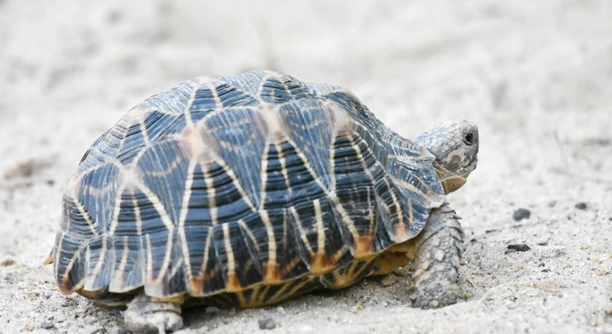
Turtles are fascinating creatures, but noticing that your turtle’s shell is peeling can be concerning. This issue may arise for various reasons, ranging from environmental factors to health concerns. Understanding these causes can help ensure your turtle’s well-being.
The peeling of a turtle’s shell is often linked to factors like shedding, poor nutrition, or unhealthy environmental conditions. In some cases, it may be a sign of a more serious underlying health issue such as a fungal or bacterial infection.
Proper care and timely intervention are crucial for preventing further shell damage. Understanding the causes will allow you to provide the best environment for your turtle’s health.
Common Causes of Shell Peeling
Shell peeling can happen due to several factors that can affect a turtle’s health. One common reason is the shedding of old layers. As turtles grow, they shed their outer shell to accommodate their new size. This process is natural, but if peeling happens too often or too drastically, it could point to other issues. A turtle may peel if it’s not getting enough nutrients, such as calcium or vitamin D3, which are essential for shell health. Improper lighting or a lack of UVB exposure also contributes to poor shell condition.
Lack of proper hydration and poor diet may also affect your turtle’s shell. Without the right nutrients, the shell may weaken, causing it to peel prematurely. In some cases, shell peeling can be linked to fungal or bacterial infections, which can develop if the turtle’s habitat is unclean or damp.
For proper care, ensure your turtle gets the right balance of food and light. If the peeling persists, consider consulting a vet for further diagnosis.
Nutrient Deficiencies
A lack of proper nutrition can cause a turtle’s shell to peel prematurely. Calcium and vitamin D3 are particularly important for healthy shell growth. Without these nutrients, the shell may become brittle, thin, or prone to peeling.
Feeding your turtle the correct balance of food can prevent these issues. Offer a variety of leafy greens, fruits, and commercial turtle pellets that are fortified with essential nutrients. Adding calcium supplements or providing a UVB light source will help ensure your turtle gets the nutrients it needs to maintain a healthy shell.
Infections and Poor Habitat Conditions
Shell peeling can also be a sign of infection, especially if the peeling is accompanied by discoloration or foul smells. Fungal and bacterial infections are common in turtles and can occur when their habitat isn’t properly cleaned or maintained. Dirty water, high humidity, or unclean basking spots create ideal conditions for infections to develop.
Maintaining a clean tank is vital for your turtle’s health. Change the water regularly, use a proper filtration system, and ensure that the basking area is dry and clean. If you notice unusual peeling or signs of infection, such as swelling or discoloration, seek veterinary care immediately. Treating infections early can help prevent more serious issues from developing.
Overexposure to Heat or Cold
Extreme temperatures can cause stress to a turtle’s shell, leading to peeling. Too much heat can dry out the shell, while cold temperatures can slow down the shedding process, causing irregular peeling. Both situations can affect your turtle’s health and shell condition.
A consistent temperature range is essential for a turtle’s well-being. The water temperature should be kept between 72-80°F (22-27°C), while basking areas should be around 85-90°F (29-32°C). Avoid placing the tank in areas with drafts or fluctuating temperatures, as this can cause stress and affect shell health. Providing a temperature gradient in the tank will allow your turtle to regulate its body temperature properly.
Maintaining a stable environment with proper heating and cooling will prevent issues such as shell peeling caused by temperature fluctuations. If your turtle is exposed to extreme heat or cold, it may become lethargic and more prone to health issues. Monitoring the temperature in both the water and the basking area is crucial for your turtle’s health.
Poor Water Quality
Water quality directly affects your turtle’s health. Dirty or stagnant water can lead to skin and shell infections, causing peeling. Lack of filtration and inadequate water changes allow harmful bacteria to thrive, increasing the risk of infection. Turtles are particularly vulnerable to fungal and bacterial growth in unsanitary conditions.
To ensure good water quality, invest in a good filtration system that can handle the size of your tank. Perform regular water changes, at least once a week, and check the water’s pH, ammonia, and nitrate levels. Clean the tank and remove uneaten food promptly to prevent bacteria buildup. Your turtle’s environment should remain clean to avoid any health complications, including shell peeling. Regular water maintenance is essential for long-term shell health.
Stress and Trauma
Turtles are sensitive to stress, and environmental changes or physical trauma can trigger peeling. Stress can occur from overcrowding, sudden temperature shifts, or changes in habitat. It weakens the immune system, making the turtle more vulnerable to shell damage.
Any type of physical injury to a turtle can also result in shell peeling. If your turtle gets into a fight with other turtles or bumps into hard surfaces, it could cause cracks or damage to the shell. This trauma may lead to peeling or shedding of the damaged outer layer.
Inadequate Lighting
Turtles require proper lighting to maintain healthy shells. Without enough UVB light, turtles cannot properly metabolize calcium, leading to soft and weak shells. A lack of UVB light often results in a condition called metabolic bone disease.
Proper lighting ensures that your turtle gets the vitamin D3 it needs to absorb calcium. Using a good-quality UVB light bulb for about 10-12 hours per day will help prevent these issues. Place the light close to your turtle’s basking spot to ensure it can receive the necessary exposure. Regularly replace the bulb to ensure consistent UVB output.
Shell Rot
Shell rot is a bacterial or fungal infection that causes the outer layers of the shell to peel or decay. It can be caused by poor water quality, injury, or prolonged exposure to wet conditions. This infection often presents with discoloration, foul odors, and soft patches on the shell.
If left untreated, shell rot can worsen and cause severe damage to the shell, even affecting the underlying bone. Keeping the turtle’s environment clean and dry is crucial for preventing shell rot. If you notice any signs of infection, it’s important to get your turtle treated by a veterinarian as soon as possible. Proper wound care and antibiotics may be necessary to address the condition.
FAQ
What are the signs that my turtle’s shell peeling is normal?
If the peeling is happening gradually and the turtle appears healthy, it is likely part of the natural shedding process. Turtles shed their outer shell layers as they grow, and this typically happens in small patches. It is important to monitor the turtle’s behavior and ensure it’s eating, swimming, and basking normally. If there is no sign of injury, infection, or distress, the peeling is probably normal.
How can I prevent my turtle’s shell from peeling?
Proper care is key to preventing excessive peeling. Ensure your turtle receives adequate nutrition, including calcium and vitamin D3, and provide a proper UVB light source. Maintaining clean water and a stable environment without extreme temperature fluctuations is also important. Regular checkups with a vet can help catch issues early.
Can I treat shell peeling at home?
If the peeling is due to environmental factors like poor lighting or a lack of calcium, you can adjust your turtle’s habitat. Adding a UVB light and calcium supplements may improve the shell condition. However, if you suspect an infection or if the peeling is severe, it’s best to consult a vet for proper treatment.
Is shell peeling a sign of a serious problem?
Shell peeling can be a sign of health issues, especially if it is accompanied by other symptoms such as swelling, redness, or foul odors. Infections like shell rot, poor water quality, and nutrient deficiencies can lead to abnormal peeling. If the peeling is extensive or persistent, it’s important to consult a veterinarian for a proper diagnosis.
How often should I change my turtle’s water to prevent shell issues?
You should change your turtle’s water at least once a week to prevent bacterial buildup and maintain good water quality. In tanks with a filtration system, partial water changes can be done more frequently, around 25-30% per week. Keeping the water clean and at the right temperature helps avoid shell-related problems.
What type of diet should I feed my turtle to prevent shell peeling?
To maintain a healthy shell, feed your turtle a balanced diet that includes calcium-rich foods like leafy greens, and supplement with turtle pellets that contain essential vitamins and minerals. Avoid feeding your turtle too much protein, as it can lead to imbalances in their diet. Include fresh vegetables like dandelion greens, collard greens, and other leafy greens.
Can stress cause my turtle’s shell to peel?
Yes, stress can contribute to shell peeling. Stress in turtles can arise from overcrowded tanks, sudden temperature changes, or an improper environment. Stress weakens the immune system and may make the turtle more susceptible to infections, which can cause shell damage. Reducing stress by providing a calm, stable habitat is essential for your turtle’s health.
How can I tell if my turtle’s shell is infected?
Signs of infection in a turtle’s shell include discoloration, foul odors, soft or mushy patches, and abnormal peeling. Shell rot, a bacterial or fungal infection, is one of the most common infections that affect turtles. If your turtle exhibits these symptoms, it’s important to take them to a vet for diagnosis and treatment.
Should I use any special treatments for shell rot?
If your turtle has shell rot, it requires immediate veterinary attention. Treatment may include antibiotics or antifungal medication, depending on the type of infection. In some cases, your vet might suggest cleaning the affected areas with antiseptic solutions to promote healing. Never try to treat shell rot at home without proper guidance from a vet.
What are the best lighting conditions for my turtle?
Turtles need both UVA and UVB light. UVA light helps maintain healthy behavior, while UVB light is essential for vitamin D3 production, which helps with calcium absorption. A proper UVB light bulb should be used for 10-12 hours per day, and it should be replaced every six months to ensure proper UVB output. The light should be positioned close to your turtle’s basking area.
Can a dirty tank cause my turtle’s shell to peel?
Yes, dirty water can lead to bacterial or fungal infections, which can cause peeling or other shell damage. Stagnant water, leftover food, and debris in the tank provide a breeding ground for harmful organisms. Regularly clean your turtle’s tank, filter the water, and remove waste promptly to ensure a healthy environment.
Why is my turtle’s shell soft and peeling?
A soft and peeling shell often indicates a calcium deficiency or improper lighting. Turtles need calcium for a strong, healthy shell, and without enough UVB light, they may not be able to process calcium correctly. Ensure your turtle’s diet includes calcium-rich foods and provide adequate UVB exposure to help prevent this issue.
How do I know if my turtle is getting enough UVB light?
You can tell if your turtle is getting enough UVB light if it is basking regularly and appears to be active and healthy. If your turtle is lethargic, has a soft shell, or is not basking, it may not be receiving adequate UVB light. Ensure the UVB light is positioned near your turtle’s basking area and that it’s replaced every six months.
Can I use aquarium salt for shell peeling?
Aquarium salt can be used in small amounts to help with minor skin irritations, but it should not be relied upon for treating shell peeling. Salt can help clean minor wounds but is not effective for addressing internal issues like infections or nutritional deficiencies. Always consult a vet for serious concerns regarding shell health.
Is shell peeling common in baby turtles?
Yes, baby turtles are more likely to shed their shells as they grow. Their shells may peel as part of the natural growth process, and this is generally normal. However, if the peeling is excessive or accompanied by other symptoms, it’s important to check their environment and diet, and consult a vet if needed.
How can I prevent infections that cause shell peeling?
To prevent infections, keep your turtle’s environment clean and dry. Make sure the tank has a proper filtration system and change the water regularly. Remove any uneaten food, and clean the basking area to prevent the growth of harmful bacteria. Regularly inspect your turtle’s shell for signs of injury or infection.
Final Thoughts
Proper care and attention are crucial when it comes to maintaining your turtle’s shell health. Peeling can be a natural process, especially during growth, but it’s important to pay attention to other signs that may indicate a problem. Ensuring your turtle receives the right diet, adequate UVB lighting, and clean water can go a long way in preventing shell issues. By closely monitoring your turtle’s behavior and shell condition, you can identify potential problems early and take the necessary steps to address them.
Regular checkups with a veterinarian who specializes in reptiles can also help catch any health issues before they become more serious. If you notice anything unusual, such as unusual discoloration, softness, or foul smells from the shell, it’s best to consult a vet immediately. Early intervention can prevent infections like shell rot or other conditions that might worsen if left untreated. Keeping your turtle’s environment stable and stress-free is just as important for their overall health.
In summary, shell peeling is not always a cause for concern, but it’s essential to understand when it’s part of the natural growth process and when it could be a sign of a more serious issue. With proper care, attention to detail, and regular maintenance of your turtle’s habitat, you can ensure a long and healthy life for your pet. Taking simple steps like ensuring a balanced diet, proper lighting, and regular tank cleaning can make a big difference in your turtle’s shell health.

Hello,
If you enjoy the content that we create, please consider saying a "Thank You!" by leaving a tip.
Every little bit helps us continue crafting quality advice that supports the health, happiness, and well-being of pets around the world, for pets of all shapes, sizes, and species.
We really appreciate the kindness and support that you show us!