
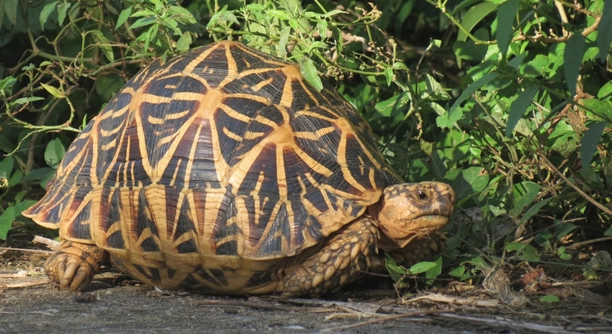
Turtles are fascinating creatures, and it’s always a bit concerning when they stop eating their favorite food. It can be frustrating to watch your turtle turn away from meals they once enjoyed without understanding the cause.
There are several reasons why a turtle may stop eating its favorite food, including health issues, changes in the environment, stress, or even a shift in dietary needs. Identifying the underlying cause can help you address the issue effectively.
Understanding why your turtle is no longer eating can lead to helpful solutions. In the following sections, we’ll explore the potential reasons and ways to encourage a healthy appetite.
Stress from Environmental Changes
Turtles are sensitive to changes in their environment. A new tank, different lighting, or altered water temperature can cause stress, which may lead them to stop eating. Stress can make turtles feel unsafe, affecting their appetite and behavior. It’s important to keep their environment stable to maintain their health. If you recently made any changes, it might be worth reverting back to the previous setup and observing if their eating habits improve. A stressed turtle may also exhibit other signs, such as hiding more than usual or being less active. These are signs they may need a calmer, more familiar space to feel at ease.
If your turtle seems more stressed, it may take a little while for them to adjust. Keep the habitat consistent and give them time.
Turtles need a safe, predictable environment to thrive. Be mindful of their habitat’s temperature, lighting, and tank mates to reduce stress. If these factors are balanced, you might see your turtle regain its appetite quickly.
Health Concerns
Health issues can play a major role in your turtle’s lack of appetite. Respiratory infections, parasites, and digestive problems are common issues that affect turtles. If your turtle has stopped eating, it’s essential to check for signs of illness, such as lethargy, wheezing, or swollen eyes. A veterinarian can help diagnose the problem and suggest the best course of treatment.
Health problems can also result from improper diet or poor tank conditions, like unclean water or low temperatures. If these factors have been neglected, it could lead to more serious health complications.
A lack of appetite might be the first sign of a more serious issue. Addressing it quickly can help prevent further health problems, ensuring your turtle stays happy and healthy. Proper care and a healthy diet are key to their well-being.
Temperature and Lighting Issues
The temperature and lighting in your turtle’s environment can affect its appetite. If the water or basking area is too cold, your turtle may not feel comfortable enough to eat. Turtles need a specific range of temperatures to stay active and healthy.
Ensure the basking area is around 85-95°F (29-35°C) and the water temperature is between 75-80°F (24-27°C). Any deviation from these temperatures could lead to a lack of interest in food. Use reliable thermometers to monitor the temperature closely.
Turtles need UVB lighting for proper digestion and overall health. Without it, they may not feel hungry or be able to metabolize their food properly. Make sure the light is on for 10-12 hours each day and is in good working condition.
Overfeeding or Poor Diet
Overfeeding can make your turtle reluctant to eat. If your turtle is eating too much, it might not feel hungry for its favorite food. It’s important to control the amount of food and avoid giving too many treats.
Monitor how much you feed your turtle and stick to a balanced diet that suits its age and species. A proper feeding schedule ensures your turtle doesn’t overeat or eat too little. Providing fresh vegetables, protein, and occasional treats will keep their interest in meals high.
Too many high-fat or high-protein foods can also disrupt digestion and cause them to lose their appetite. Offer a variety of food types, but focus on maintaining a healthy balance. Consider adjusting their diet if you suspect they’ve been overfed.
Poor Water Quality
Dirty water can make your turtle reluctant to eat. If the water is not clean, it can cause discomfort and stress, which affects their appetite. Regular water changes are important to keep the environment healthy.
Ensure the water is filtered, and check the quality often. Use a water test kit to monitor the levels of ammonia, nitrites, and nitrates. Clean the tank regularly to avoid a buildup of waste and bacteria.
Tank Mates
Tank mates can impact your turtle’s eating habits. Aggressive or overly active tank mates may create stress or competition for food. If your turtle is constantly being disturbed, it might stop eating.
Observe how your turtle interacts with other animals. If it’s being harassed or feels threatened, consider separating them to create a calmer, more relaxed environment.
FAQ
Why is my turtle not eating its favorite food?
If your turtle isn’t eating its favorite food, it could be due to stress, health issues, temperature problems, or an environmental change. Turtles are sensitive creatures, and even small changes in their habitat can impact their eating habits. It’s important to keep their tank clean, ensure proper lighting and temperature, and check for any signs of illness. Sometimes, turtles also stop eating if they feel unsafe or if their tank mates are too aggressive.
How do I know if my turtle is sick?
Signs of illness in turtles can include lethargy, swollen eyes, difficulty swimming, or unusual behavior such as hiding more than usual. They might also stop eating, which is one of the first signs of illness. If you notice these signs, it’s best to take your turtle to a vet who specializes in reptiles for a check-up.
Can I force my turtle to eat?
Forcing a turtle to eat is not recommended, as this can cause additional stress. However, you can try offering a variety of foods to spark their interest. You may also try hand-feeding or offering food at a different time of day. If they continue to refuse, it’s best to investigate possible causes such as water quality or temperature.
What should I do if my turtle’s water quality is poor?
Poor water quality can make your turtle uncomfortable and cause it to stop eating. You should immediately test the water for ammonia, nitrites, and nitrates, and do a partial water change. Ensure the water is filtered and change it regularly to prevent harmful bacteria from building up. A clean tank is essential for your turtle’s health.
Can overfeeding cause my turtle to stop eating?
Yes, overfeeding can make your turtle stop eating. If a turtle is eating more than it needs, it might not feel hungry for its favorite foods. It’s important to feed them the right portion sizes based on their species and age. A consistent feeding schedule can help regulate their appetite and prevent overfeeding.
Should I be worried if my turtle stops eating for a day or two?
If your turtle stops eating for a day or two, it may not be a cause for concern, especially if they are still active and behaving normally. However, if this continues for several days, it’s important to assess possible causes such as stress, illness, or environmental factors. If you’re unsure, it’s always a good idea to consult a veterinarian.
How often should I change my turtle’s water?
You should change your turtle’s water every week, or more frequently if it gets dirty quickly. The water should be tested for contaminants regularly. A good filtration system can help maintain the water quality, but regular changes are necessary to keep the water clean and healthy for your turtle.
What is the ideal temperature for my turtle’s tank?
The ideal water temperature for most turtles is between 75-80°F (24-27°C). The basking area should be around 85-95°F (29-35°C). These temperatures help keep your turtle active and comfortable, ensuring that it has the energy to eat and stay healthy.
How do I know if my turtle is stressed?
Signs of stress in turtles can include hiding more than usual, swimming erratically, or staying at the bottom of the tank. They might also stop eating. Stress can result from poor water quality, improper tank conditions, or aggressive tank mates. If you notice these signs, try adjusting the environment and monitor your turtle’s behavior.
Can tank mates affect my turtle’s appetite?
Yes, aggressive or overly active tank mates can stress your turtle and cause it to lose its appetite. If your turtle is constantly being chased or intimidated, it might stop eating. You should carefully observe how your turtle interacts with other animals and separate them if necessary to reduce stress.
How long can a turtle go without eating?
A healthy adult turtle can go without food for up to two weeks, but this depends on the turtle’s size, age, and health. If a turtle is not eating for an extended period, it’s important to address potential issues such as water quality, temperature, stress, or illness. Young turtles may not be able to go as long without eating and should be monitored more closely.
What types of food should I offer my turtle?
A balanced diet for a turtle typically includes a mix of leafy greens, vegetables, and protein. Common food options include lettuce, kale, collard greens, and fish. You can also offer commercial turtle pellets. Variety is key, but avoid feeding them too many high-fat or high-protein foods.
How can I help my turtle gain weight if it’s not eating?
If your turtle is not eating and losing weight, it’s important to address the underlying issue first. Check the water quality, temperature, and lighting. Offering a variety of food types and hand-feeding may encourage eating. If the turtle continues to refuse food, consult with a veterinarian to rule out any health problems.
Final Thoughts
When a turtle stops eating, it can be concerning, but there are several reasons why this might happen. The first step is to examine the environment carefully. Turtles are sensitive to water quality, temperature, and lighting. Poor water quality, an improper tank temperature, or inadequate basking areas can lead to stress, making the turtle lose interest in eating. Make sure to test the water and change it regularly to keep it clean. Also, ensure that the tank temperature is suitable for your turtle’s species. These adjustments can often resolve the issue without needing further intervention.
Next, consider any changes in the turtle’s environment. New tank mates, changes in routine, or even disruptions in their habitat can cause stress and lead to a loss of appetite. Turtles are creatures of habit, and even small changes might make them uneasy. It’s essential to observe how your turtle behaves and look for signs of stress, such as hiding, lethargy, or aggressive behavior. If the turtle is having difficulty adjusting, give it some time in a calm environment. Sometimes, it might take a little while for the turtle to adapt and start eating again.
If environmental factors aren’t the issue, health concerns could be at play. Turtles may stop eating if they are sick or experiencing pain. In these cases, a visit to a reptile veterinarian is necessary. Turtles can hide their symptoms well, so it’s important to act quickly if the loss of appetite persists for several days. In the end, ensuring a comfortable environment, monitoring the turtle’s health, and addressing any changes promptly can help restore its eating habits. A healthy and stress-free turtle is more likely to enjoy its meals and thrive.

Hello,
If you enjoy the content that we create, please consider saying a "Thank You!" by leaving a tip.
Every little bit helps us continue crafting quality advice that supports the health, happiness, and well-being of pets around the world, for pets of all shapes, sizes, and species.
We really appreciate the kindness and support that you show us!