
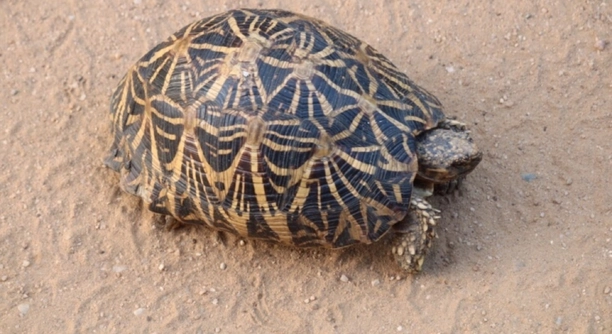
Turtles are known for basking, a vital activity for their health. However, some turtles don’t bask enough, which could indicate underlying issues. Understanding the reasons behind this behavior can help you care for your pet better.
The most common reasons your turtle may not be basking enough include environmental factors, inadequate lighting, health problems, stress, or improper habitat conditions. It’s essential to address these factors to encourage natural basking behaviors and improve your turtle’s well-being.
By understanding these causes, you can make simple adjustments to create a more suitable environment for your turtle. Keep reading to learn more about how to help your turtle bask properly.
Inadequate Lighting
If your turtle isn’t basking enough, the lighting in their enclosure might not be right. Turtles require a UVB light source to help them process calcium and maintain healthy bones. Without proper UVB lighting, they can become lethargic and may avoid basking altogether. This light mimics sunlight, which is necessary for a turtle’s health.
UVB lights should be positioned close to your turtle’s basking spot, as they need direct exposure for several hours each day. The light should also be replaced regularly because UVB bulbs lose their effectiveness over time, even if they still appear to be working.
Make sure the light is on for 10-12 hours each day, mimicking the natural daylight cycle. Also, ensure there is a temperature gradient in the tank—warmer basking areas and cooler spots to give your turtle a choice in its environment. The right lighting and temperature will encourage your turtle to bask, which is important for its overall health.
Stress or Anxiety
Stress can prevent your turtle from basking. Turtles are sensitive to sudden changes in their environment, such as loud noises or new tank mates. A stressed turtle may not feel comfortable basking and will retreat into hiding instead.
To reduce stress, keep your turtle’s enclosure quiet and stable. Avoid tapping on the glass, and give it time to adjust if you’ve made any changes to its habitat. If you notice that your turtle avoids basking after a recent move or a change in the tank, it might need a little time to feel secure again.
Poor Temperature Regulation
If the temperature in your turtle’s tank isn’t right, it could avoid basking. Turtles are cold-blooded, so they rely on external heat sources to regulate their body temperature. If the basking spot is too cold, your turtle may not feel the need to bask.
Make sure the basking area is warm enough, ideally around 85-90°F (29-32°C), while the cooler areas of the tank should be 70-75°F (21-24°C). Using a heat lamp in the basking zone is essential to create this temperature gradient. This allows your turtle to bask and move to cooler areas as needed.
Also, be mindful of the night temperature. A drop in temperature at night should be gradual, mimicking natural conditions. If the tank temperature fluctuates too much or stays too cold, your turtle will not feel comfortable basking and could become ill over time.
Habitat Space
A cramped habitat might be another reason your turtle is not basking enough. Turtles need space to move around and feel comfortable. If the tank is too small, they might feel restricted and avoid basking areas. A spacious tank will encourage natural behavior, including basking.
The minimum tank size for most turtles is around 40 gallons, though this can vary depending on the species. The more room your turtle has, the more likely it will use different areas, including the basking spot. This helps prevent stress and allows your turtle to feel more secure in its environment.
Turtles also need platforms or docks to bask on. These must be large enough for them to fully climb on and dry off completely. If there’s not enough space to access the basking area comfortably, your turtle will likely avoid it. Properly designed tanks and enough room can encourage better basking habits.
Health Issues
If your turtle isn’t basking, there could be a health issue at play. Turtles that are sick or in pain often avoid basking because it requires energy. If your turtle seems lethargic, doesn’t bask as usual, or is avoiding food, it may be unwell.
Common health problems like shell rot, respiratory infections, or parasites can cause discomfort, making it difficult for your turtle to bask. If you suspect your turtle is ill, it’s important to seek advice from a vet experienced in reptile care. Health problems can worsen if left untreated, so early detection is key.
Sometimes, even minor injuries can make your turtle hesitant to bask. If you notice signs of injury, such as swelling or redness, take action to prevent further harm. Health issues can lead to stress and inactivity, reducing basking time.
Overcrowded Tank
An overcrowded tank can also cause your turtle to avoid basking. If there are too many turtles or other tank mates, your turtle may feel overwhelmed. This can create competition for space, light, and basking areas. A crowded environment can lead to stress, making your turtle hesitant to bask.
Turtles are territorial and often prefer to have their own space. Overcrowding can also lead to fighting, which can make your turtle anxious or hurt. Ensuring your tank has enough space for each turtle is crucial for reducing stress and allowing them to bask without interruptions.
Adding extra basking platforms can help as well. This ensures that each turtle has access to its own spot and can bask in peace.
Inconsistent Routine
Turtles are creatures of habit and may avoid basking if their routine is disrupted. If the tank’s light cycle or temperature schedule isn’t consistent, it can confuse your turtle and make it less likely to bask. Consistency is key to ensuring your turtle feels secure and follows its natural rhythm.
Make sure the lights turn on and off at the same time every day, and keep the water and air temperatures steady. Turtles thrive on predictability and will bask more regularly if they can depend on their environment. Unpredictable conditions can lead to stress and reduced basking time.
FAQ
Why is my turtle not basking?
Turtles may avoid basking for various reasons, including improper lighting, temperature, or habitat conditions. It could also be due to stress, illness, or overcrowding in the tank. Ensuring that your turtle’s environment is comfortable and secure is key to encouraging basking.
How can I encourage my turtle to bask?
Ensure your turtle’s basking area is properly lit and heated. The basking spot should be around 85-90°F (29-32°C), and the rest of the tank should offer cooler areas. UVB light is crucial for your turtle’s health, so make sure it has access to it for 10-12 hours each day. Additionally, having enough space in the tank and adding more basking platforms can make a difference.
What if my turtle refuses to bask in its basking area?
It could be a sign that something is wrong with the basking area. Check the temperature, lighting, and platform. If your turtle finds the area too cold, uncomfortable, or difficult to access, it may choose to avoid it. Adjusting the setup can often solve this issue.
Is it normal for my turtle to stop basking during the winter?
Yes, many turtles naturally reduce basking activity during colder months. Their metabolism slows down, and they may spend more time in the water. However, you should still ensure they have access to a proper basking area, as it’s essential for their overall health.
How do I know if my turtle is sick and avoiding basking?
If your turtle is avoiding basking and showing other signs such as lethargy, loss of appetite, or unusual behavior, it could be unwell. Common illnesses like respiratory infections or shell rot can make turtles less likely to bask. A visit to a vet can help identify the issue.
Can a turtle’s shell condition affect its basking habits?
Yes, an unhealthy shell can make it difficult for your turtle to feel comfortable. If the shell is damaged, infected, or soft, your turtle may avoid basking because it could cause discomfort or pain. Ensuring the health of your turtle’s shell is critical for proper basking behavior.
Do I need to replace the UVB light regularly?
Yes, UVB lights lose their effectiveness over time, even if they still seem to work. It’s important to replace UVB bulbs every 6-12 months to ensure your turtle gets the necessary exposure to UVB rays. A lack of UVB can lead to health problems like metabolic bone disease.
What if my turtle is basking but not getting out of the water?
Sometimes, turtles will bask in the water or partially out of the water. This is common if the basking platform isn’t set up properly or if the water temperature is too low. Ensure the basking spot is easy to climb onto and has a comfortable, warm area for your turtle.
Should I add more plants to my turtle’s tank?
Adding plants can help provide hiding spots and a more natural environment, reducing stress. However, too many plants can overcrowd the tank and make it harder for your turtle to access basking areas. Be mindful of balancing the habitat to allow enough space for your turtle.
How do I know if the basking area is at the right temperature?
Use a thermometer to check the temperature of the basking area. It should be between 85-90°F (29-32°C) for most species. You can also monitor your turtle’s behavior. If it avoids basking or seems too active, the temperature may need adjustment.
Can my turtle bask in direct sunlight?
Yes, but only if you can ensure safety and temperature control. Direct sunlight can be beneficial for turtles, but it’s important to monitor the temperature closely. Make sure your turtle has access to water and shelter to prevent overheating or dehydration.
Why is my turtle staying in the water and not basking?
Turtles may stay in the water if the basking area is too cold, uncomfortable, or hard to reach. Check the temperature of the basking area, adjust lighting, and ensure that the platform is easily accessible. Sometimes, a turtle may avoid basking if it feels unsafe or stressed.
Is it okay for my turtle to bask all day?
Turtles generally need 8-12 hours of basking per day, depending on their species. Too much basking can lead to dehydration, so it’s important to balance basking time with access to water. A good mix of basking, swimming, and resting will keep your turtle healthy.
How can I reduce stress in my turtle’s environment?
To reduce stress, maintain a consistent light cycle, avoid overcrowding, and keep the tank in a quiet area. Make sure your turtle has plenty of space to move around and access basking spots without competition from other tank mates. Regular cleaning and proper water quality are also important for minimizing stress.
Why is my turtle basking more than usual?
If your turtle is basking more than usual, it might be trying to regulate its body temperature or reacting to changes in the tank. Sometimes, an increase in basking could also be a sign of illness or discomfort. Keep an eye on other signs and consult a vet if necessary.
Can my turtle get too much UVB light?
Yes, excessive UVB exposure can cause harm, such as eye damage or skin issues. It’s essential to provide the correct amount of UVB lighting and make sure your turtle can move away from the light when it wants to. A good rule of thumb is to keep the UVB light on for 10-12 hours a day.
Do turtles bask at night?
Turtles are diurnal, meaning they typically bask during the day when the light is on. At night, they will usually rest or sleep. Ensure that the tank has a proper day/night cycle to maintain your turtle’s natural rhythm.
Final Thoughts
Basking is an essential part of a turtle’s daily routine. It helps them regulate their body temperature, process calcium, and maintain overall health. If your turtle isn’t basking enough, it could be a sign that something isn’t quite right in their environment. Issues such as improper lighting, incorrect temperatures, or even stress can affect their behavior and prevent them from basking. Ensuring that your turtle’s habitat is comfortable and well-maintained can make a big difference in encouraging them to bask regularly.
Regularly check the temperature and lighting in your turtle’s tank. A UVB light is essential for their health, as it helps them metabolize calcium and prevents bone disease. Make sure your turtle has access to a warm basking area with a temperature of 85-90°F (29-32°C), and be sure to replace UVB bulbs regularly, even if they still appear to work. Also, maintaining a temperature gradient in the tank with cooler areas will allow your turtle to choose its preferred environment. All these factors contribute to creating a habitat that encourages natural basking behavior.
If your turtle continues to avoid basking despite improvements to its environment, it’s essential to consider other factors. Stress, overcrowding, or illness can all prevent a turtle from basking. Observe your turtle for any signs of distress or health issues, and consult with a vet if necessary. With the right adjustments and attention to detail, you can help ensure your turtle enjoys a healthy and happy life, including plenty of basking time.

Hello,
If you enjoy the content that we create, please consider saying a "Thank You!" by leaving a tip.
Every little bit helps us continue crafting quality advice that supports the health, happiness, and well-being of pets around the world, for pets of all shapes, sizes, and species.
We really appreciate the kindness and support that you show us!