
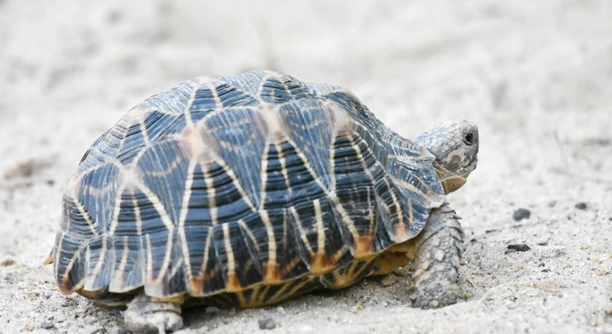
Turtles can be picky eaters, and if yours is refusing food, it might be a sign of something more. Understanding the cause can help address the issue. Here are seven potential reasons your turtle might not be eating.
The reasons behind a turtle’s refusal to eat often include stress, environmental changes, health issues, or incorrect diet. Turtles are sensitive creatures, and their eating habits can be influenced by factors such as water temperature, light exposure, and tank conditions.
There are many possible factors at play, but recognizing the cause is the first step toward helping your turtle.
Stress or Changes in Environment
Turtles can become stressed for a variety of reasons, leading to a lack of appetite. When their environment changes, such as moving to a new tank, or if they’re exposed to unfamiliar sounds, light, or people, it can impact their eating habits. Stress affects their digestion and can lead to refusal of food. It’s essential to keep their environment as stable as possible to avoid these disturbances. If you notice other signs of stress, such as hiding or being overly active, it could indicate that something in their surroundings is unsettling them.
Creating a calm and stable environment for your turtle is crucial. The more consistent their surroundings are, the less stress they will experience.
To minimize stress, keep the tank at a comfortable temperature, avoid sudden changes in light, and ensure their tank mates are compatible. Additionally, a consistent feeding schedule helps establish routine and predictability, reducing unnecessary stress for your turtle.
Health Problems
Health issues are another significant reason why your turtle might refuse food. Common illnesses like respiratory infections, parasites, or shell rot can cause a loss of appetite. If you suspect a health problem, it’s important to monitor your turtle for other symptoms such as lethargy, abnormal swimming behavior, or visible signs of illness like swelling or discharge. A visit to the vet is essential if these signs appear, as untreated health problems can worsen and lead to more serious complications.
If your turtle is not eating and showing other signs of illness, it’s best to consult a veterinarian immediately. In some cases, early detection and treatment can prevent further complications. Regular health checkups can also help catch any issues before they become severe.
Incorrect Diet
A poor diet is one of the most common reasons a turtle may refuse food. Turtles are omnivores, but they need a balanced mix of protein, vegetables, and fruits. If their diet is lacking in variety or nutrients, they might not find their meals appealing. Offering the wrong type of food can also cause them to lose interest. For example, a diet too high in protein or too low in fiber can disrupt their digestion, leading to reduced appetite.
Turtles can become picky if they’re offered the same type of food every day. Rotating different food types, such as leafy greens, commercial turtle pellets, and occasional fruits like berries or melons, helps provide a more balanced diet. Too much of one type of food, like high-fat or overly rich foods, can also cause feeding issues. This can disrupt their digestive system, making them refuse meals.
It’s also important to ensure that any food offered is properly prepared and cut into bite-sized pieces. Large chunks or food that’s difficult to eat might discourage your turtle from feeding altogether. A varied and balanced diet is essential to maintain both their interest in food and their overall health.
Improper Tank Conditions
Your turtle’s tank conditions play a significant role in their eating habits. If the water temperature is too high or too low, it can affect their metabolism and appetite. The ideal temperature range for most turtles is between 75-85°F (24-29°C). If the water is too cold, they might become lethargic and lose interest in food. Similarly, overly warm water can cause them to become stressed or uncomfortable.
The tank should also be properly filtered to ensure clean water, as dirty water can make your turtle feel unwell and avoid eating. Regular tank cleaning and maintenance are essential for keeping the environment healthy. Proper lighting is equally important. Turtles need UVB light to regulate their calcium metabolism and maintain their appetite. Without it, they can become weak and less inclined to eat.
A healthy, well-maintained tank encourages a healthy appetite. Monitoring and adjusting these conditions can make a noticeable difference in your turtle’s feeding habits.
Too Much Feeding
Overfeeding can lead to a lack of appetite. When turtles are given too much food, they may not feel hungry for their next meal. This can lead to them rejecting food, thinking they are already full. It’s important to offer them the right portion sizes to prevent overfeeding.
To prevent overfeeding, aim to provide only the amount of food your turtle can eat within 15-20 minutes. This prevents excess food from going to waste and helps keep them at a healthy weight. Avoid leaving uneaten food in the tank, as it can pollute the water.
Improper Tank Mates
Tank mates can influence your turtle’s eating habits. If your turtle shares its tank with more aggressive or dominant animals, they may feel stressed or intimidated during feeding times. This stress can make your turtle refuse food altogether. It’s essential to ensure that tank mates are compatible to create a peaceful environment.
Aggressive tank mates, such as certain fish or other turtles, may disrupt feeding routines. Your turtle might feel threatened and avoid eating to stay out of the way. Keeping the tank balanced with non-aggressive animals allows your turtle to feed peacefully without fear of competition or stress.
FAQ
What should I do if my turtle refuses food for several days?
If your turtle refuses food for several days, it’s important to first evaluate their environment. Check the water temperature, lighting, and tank cleanliness to make sure everything is in optimal condition. If the conditions are fine and your turtle still won’t eat, consider the possibility of a health issue. Consulting a veterinarian is always recommended if the refusal persists, especially if your turtle shows other symptoms like lethargy or swelling.
How can I tell if my turtle is stressed?
Signs of stress in turtles can include hiding, excessive swimming, erratic behavior, or refusal to eat. If your turtle becomes more reclusive or behaves differently than usual, it may be stressed. Stress can be caused by sudden changes in the environment, tank mates, or handling. It’s important to minimize these stressors to help your turtle feel secure.
Can I feed my turtle the same food every day?
Feeding your turtle the same food every day is not ideal. A balanced diet is essential for their health, and variety plays a significant role in providing all the necessary nutrients. Offer a mix of leafy greens, protein, and occasional fruits to keep your turtle interested in eating and ensure they get all the nutrients they need. A repetitive diet can cause your turtle to lose interest in food or develop nutritional deficiencies.
Is it normal for a turtle to stop eating during winter?
Yes, it is normal for some turtles, especially those that hibernate, to reduce or stop eating during the colder months. In the wild, many turtles slow down their metabolism and eat less when the weather cools. However, if your turtle doesn’t eat for extended periods or shows signs of illness, it’s important to consult a vet to ensure they are healthy.
What are some signs that my turtle is sick?
Turtles display various signs when they’re not feeling well. If your turtle is refusing food, swimming abnormally, or has trouble diving or staying upright, it could indicate a health issue. Other symptoms to watch for include swelling, discolored skin, mucus around the eyes or nose, and lethargy. A trip to the vet is necessary to diagnose and treat any health problems.
How often should I feed my turtle?
The frequency of feeding depends on the age and species of your turtle. Baby turtles need to eat more frequently, around once or twice a day, while adults can be fed every two to three days. Ensure that the amount of food matches their size and age to avoid overfeeding or underfeeding. Always remove any uneaten food from the tank to prevent contamination.
Can my turtle’s diet affect its appetite?
Yes, a poor or unbalanced diet can affect your turtle’s appetite. A diet lacking in essential nutrients, or one that consists mainly of one type of food, can lead to feeding issues. For instance, if your turtle eats too much protein and not enough vegetables, they may lose interest in food. It’s important to offer a variety of foods to keep their appetite healthy and ensure they get all the vitamins and minerals they need.
How can I encourage my turtle to eat?
To encourage your turtle to eat, try offering a variety of foods to keep them interested. Introduce new vegetables, fruits, and high-quality turtle pellets to their diet. Sometimes changing the way the food is presented, such as cutting it into smaller pieces, can help. Also, make sure their environment is stress-free and that the water temperature is within the optimal range.
Can my turtle be picky with food?
Yes, turtles can be picky eaters. Just like other animals, they can develop preferences for certain types of food and may refuse to eat others. Offering a range of food options is key to finding what your turtle likes best. If your turtle refuses food, try different textures or types of vegetables and proteins until you find a suitable option.
Do turtles need UV light to eat?
Yes, turtles need UV light to maintain their overall health, including their appetite. UVB light helps turtles process calcium and maintain healthy bones, and without it, they may experience a decrease in appetite. Make sure your turtle’s tank has proper UVB lighting, which should be on for about 10-12 hours per day, depending on the species.
Can water quality affect my turtle’s appetite?
Poor water quality can significantly affect a turtle’s appetite. Turtles are sensitive to dirty water, which can cause discomfort, stress, and even illness. Regular water changes and proper filtration are essential for maintaining clean and safe water. If your turtle’s tank water is murky or contaminated, they may refuse to eat until the water is cleaned and properly balanced.
Should I hand-feed my turtle if it’s not eating?
Hand-feeding can be an option if your turtle is not eating, but it’s important to approach it carefully. Sometimes, hand-feeding can help stimulate interest in food, especially if the turtle is feeling insecure or stressed. However, if the refusal to eat persists, it’s better to identify the underlying cause, whether it’s health-related or environmental.
Can I overfeed my turtle?
Yes, overfeeding is a common issue that can affect your turtle’s appetite and health. When turtles are given too much food, they can become lethargic, and their digestion can be thrown off. Overfeeding can also lead to obesity, which can shorten their lifespan. Follow a proper feeding schedule and offer food in appropriate amounts to avoid this issue.
What is the best food for a turtle?
The best food for a turtle includes a variety of leafy greens, such as collard greens, dandelion greens, and kale. You can also offer aquatic plants, fruits like berries, and high-quality turtle pellets. Make sure to include protein sources such as mealworms or crickets, but be careful not to overfeed high-protein foods.
Can my turtle’s age affect its appetite?
Yes, a turtle’s age can influence its appetite. Younger turtles tend to have higher metabolism and need to eat more frequently. As they grow older, they may eat less often. Older turtles may also have specific dietary requirements to maintain their health, so it’s important to adjust their diet accordingly.
How can I tell if my turtle is getting enough nutrients?
To ensure your turtle is getting enough nutrients, monitor their overall health. A healthy, active turtle with a shiny shell and clear eyes is a good sign that they are getting proper nutrition. If you notice any signs of weight loss, lethargy, or abnormal growth, it may indicate that your turtle is not receiving the right nutrients. A varied diet with the right balance of proteins, vegetables, and fruits is key to their well-being.
Final Thoughts
Understanding why your turtle refuses to eat can be a process of elimination. Several factors, including water quality, temperature, diet, and stress, can affect their appetite. It’s important to monitor all aspects of their environment to identify potential issues. Turtles are creatures of habit, so even small changes in their habitat or diet can make a big difference. Regular maintenance of their tank and providing a varied, balanced diet can go a long way in ensuring they remain healthy and active.
In some cases, refusal to eat may be a sign of a more serious health issue. If your turtle continues to refuse food, shows signs of illness, or behaves unusually, seeking the advice of a veterinarian is crucial. Early intervention can help address underlying health problems before they become more severe. A vet can provide a proper diagnosis and recommend treatments to help restore your turtle’s appetite and overall health. Regular vet checkups can also help detect any potential issues before they become a bigger concern.
Ultimately, patience and observation are key when dealing with a turtle that’s refusing food. Keep an eye on their behavior, provide a comfortable and stress-free environment, and ensure their diet is both nutritious and varied. With the right care and attention, your turtle should return to eating regularly. If not, it’s always wise to consult with a professional to rule out any health problems. Taking a proactive approach will help you provide the best possible care for your turtle, ensuring their well-being for years to come.

Hello,
If you enjoy the content that we create, please consider saying a "Thank You!" by leaving a tip.
Every little bit helps us continue crafting quality advice that supports the health, happiness, and well-being of pets around the world, for pets of all shapes, sizes, and species.
We really appreciate the kindness and support that you show us!